Why must the nitridation reaction of LiGa be conducted in a quartz tube with sealing flanges? Ensure Purity & Selection
Updated 3 months ago
The use of a quartz tube with sealing flanges is mandatory to create a hermetic, secondary reaction chamber that isolates highly reactive lithium from the atmosphere. This configuration allows for the precise delivery of pure nitrogen at 500°C while preventing the formation of lithium oxides or hydroxides. Without this specific hardware, the LiGa compound would react with trace oxygen and moisture rather than achieving the desired nitridation.
The quartz tube and flange assembly function as a high-purity barrier that ensures chemical selectivity. By excluding environmental contaminants, it enables the controlled transformation of LiGa into amorphous lithium nitride ($Li_3N$) rather than undesirable lithium-based impurities.
The Necessity of Absolute Atmospheric Control
Preventing Parasitic Oxidation
Lithium-based compounds are exceptionally sensitive to atmospheric oxygen and moisture, especially at elevated temperatures. If the reaction environment is not strictly controlled, the lithium in the LiGa compound will preferentially react to form lithium oxide or lithium hydroxide instead of the intended nitride.
Achieving Chemical Selectivity
The goal of this process is the synthesis of amorphous lithium nitride ($Li_3N$). The sealing flanges ensure that the only gas present in the reaction zone is the high-purity nitrogen required for the chemical transformation, preventing competing reactions that would degrade the final product.
The Role of the Quartz Tube Assembly
Creating a Secondary Containment Zone
The quartz tube acts as a secondary reaction chamber nested within the furnace. This design provides a localized volume that can be purged and filled with nitrogen independently of the furnace's heating elements, ensuring a high-purity reaction space.
Thermal and Chemical Stability
Quartz is selected because it maintains structural integrity at 500°C while remaining chemically inert to the nitrogen flow. When paired with sealing flanges, it allows for a continuous flow of pure nitrogen, maintaining the consistent pressure and concentration necessary for successful nitridation.
Ensuring Atomic Ordering
Similar to high-temperature annealing in other alloy systems, isolating the material prevents the formation of oxide impurities. This isolation is critical for ensuring that the chemical transition occurs uniformly across the LiGa sample, resulting in a stable amorphous structure.
Understanding the Trade-offs
Mechanical Stress and Seal Integrity
While quartz is thermally resilient, it is brittle and sensitive to thermal shock. Rapid heating or cooling can cause the tube to crack, while the interface between the quartz and the metal flanges must be carefully managed to prevent leaks caused by mismatched thermal expansion.
Setup Complexity
Implementing a flanged quartz system increases operational complexity compared to standard furnace processing. The requirement for a continuous nitrogen flow and vacuum-tight seals demands rigorous pre-check procedures to ensure that no atmospheric leakage occurs during the multi-hour heating cycle.
How to Apply This to Your Process
Implementation Guidelines
- If your primary focus is material purity: Ensure the sealing flanges are vacuum-tested prior to heating to guarantee an ultra-low oxygen environment.
- If your primary focus is reaction consistency: Maintain a steady, regulated flow of high-purity nitrogen to prevent any stagnation within the quartz tube.
- If your primary focus is hardware longevity: Use a gradual heating and cooling ramp to protect the quartz tube from cracking due to thermal stress.
Properly executed, the quartz tube assembly provides the sterile chemical environment necessary to transform intermetallic compounds into functional nitrides.
Summary Table:
| Component | Core Function | Primary Benefit |
|---|---|---|
| Quartz Tube | Secondary containment chamber | Isolates sample from furnace atmosphere/contaminants |
| Sealing Flanges | Hermetic isolation & gas routing | Prevents parasitic oxidation and maintains vacuum integrity |
| Nitrogen Flow | Reactive atmosphere (500°C) | Facilitates selective synthesis of amorphous $Li_3_N$ |
| Thermal Seals | Expansion management | Ensures a leak-proof environment during high-temp cycles |
Optimize Your Sensitive Material Synthesis with THERMUNITS
Precise atmospheric control is the difference between high-purity nitrides and contaminated oxides. THERMUNITS is a leading manufacturer of high-performance laboratory equipment designed for the rigors of material science R&D. Our specialized Tube Furnaces and Vacuum Systems are engineered to provide the absolute hermetic sealing required for reactive materials like Lithium-Gallium compounds.
Whether you need Muffle, Vacuum, Atmosphere, or Rotary furnaces, we deliver the thermal precision your research demands. Enhance your lab’s thermal processing capabilities today.
Contact THERMUNITS Experts for a Custom Solution
References
- Xingran Wang, Xiaofei Guan. Preparation of the LiGa Intermetallic Alloy by Electrochemical or Thermal Method for Ammonia Synthesis. DOI: 10.1007/s40831-024-00961-9
Mentioned Products
- Compact Vertical Split Quartz Tube Furnace with Stainless Steel Vacuum Flanges for Rapid Thermal Quenching and Controlled Atmosphere Material Processing
- 1200°C 5 Inch Vertical Quartz Tube Furnace with Stainless Steel Vacuum Flanges
- Three Zone Tube Furnace with 24 Inch Heating Length and Hinged Flange Quartz Tube System
- 1100°C Large Diameter Quartz Tube Furnace with 24 Inch Heating Zone and Water Cooled Flanges
- 1200C Max Sliding Tube Furnace with 80mm OD Quartz Tube and Vacuum Flanges for Rapid Thermal Processing Fast Heating and Cooling
People Also Ask
- Why integrate a vertical split tube furnace with hydraulic loading for HSECC? Essential for In-Situ Fire Simulation.
- What is the role of a split vertical tube furnace during flash sintering of 8YSZ and 20SDC? Master Ultra-Fast R&D
- What is the primary engineering purpose for using a customized ventilation hood when operating a split tube furnace? RCF Safety
- Why is a quartz tube furnace necessary for phosphorus-doped MoS2/GO preparation? Ensure Purity & Precise Synthesis
- What is the primary function of a Quartz Tube Furnace in ZnO VLS growth? Master High-Precision Nanowire Synthesis

Tech Team · ThermUnits
Last updated on Jun 03, 2026
Related Products
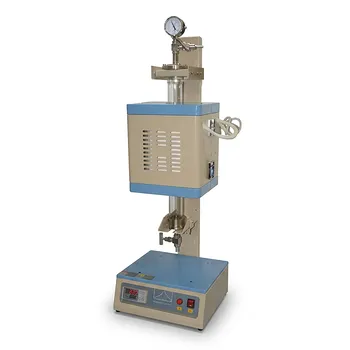
Compact Vertical Split Quartz Tube Furnace with Stainless Steel Vacuum Flanges for Rapid Thermal Quenching and Controlled Atmosphere Material Processing
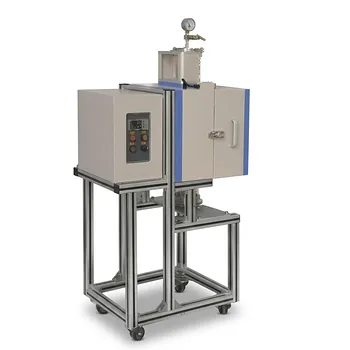
1200°C 5 Inch Vertical Quartz Tube Furnace with Stainless Steel Vacuum Flanges
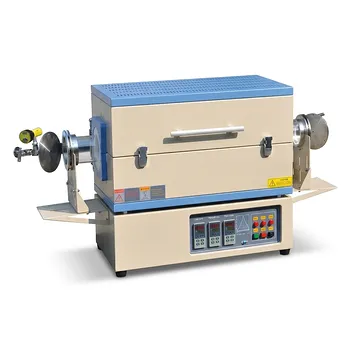
Three Zone Tube Furnace with 24 Inch Heating Length and Hinged Flange Quartz Tube System
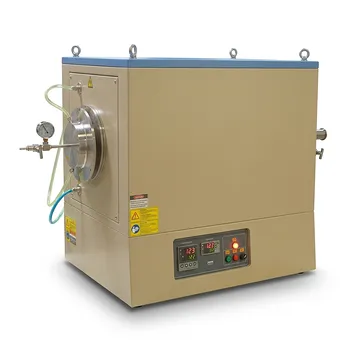
1100°C Large Diameter Quartz Tube Furnace with 24 Inch Heating Zone and Water Cooled Flanges
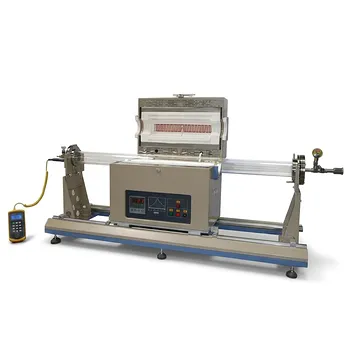
1200C Max Sliding Tube Furnace with 80mm OD Quartz Tube and Vacuum Flanges for Rapid Thermal Processing Fast Heating and Cooling
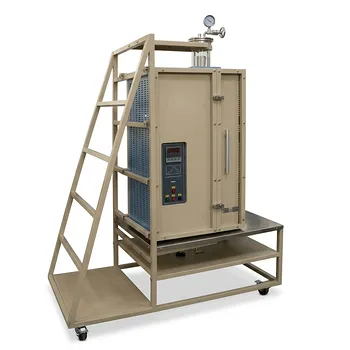
Split Vertical Tube Furnace with 1200C Quartz Tube and Stainless Steel Vacuum Flanges for Rapid Thermal Processing
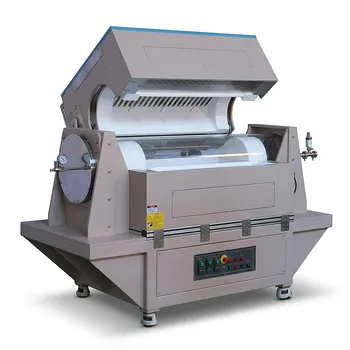
Three Zone Tube Furnace with 11 Inch or 15 Inch Quartz Tube and Hinged Flanges for Vacuum Atmosphere Heat Treatment
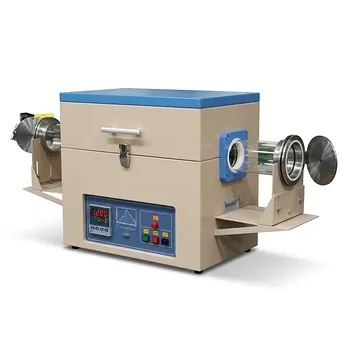
High Temperature 1200C Split Tube Furnace with Hinged Vacuum Flanges and 4 Inch Quartz Tube for Laboratory Research
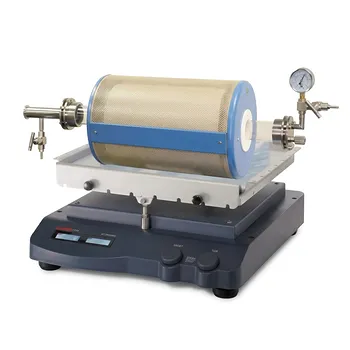
High Temperature Rocking Tube Furnace with Quartz Tube and Vacuum Flange for Materials Synthesis
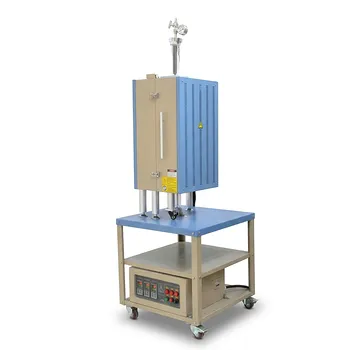
1200C Three Zone Vertical Tube Furnace with 2 Inch Quartz Tube and Vacuum Flanges
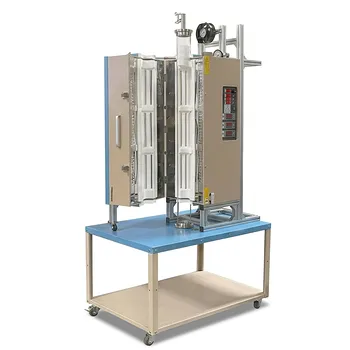
1200C Three Zone Split Vertical Tube Furnace 4 Inch Quartz Tube Stainless Steel Vacuum Flanges
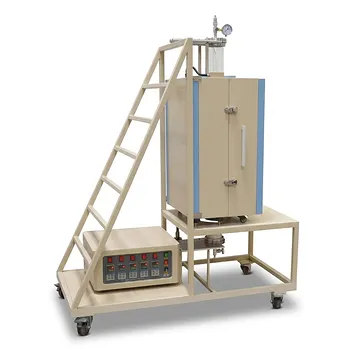
Five Zone Split Vertical Tube Furnace 1200C Max with 4 Inch Quartz Tube and Stainless Steel Vacuum Flanges
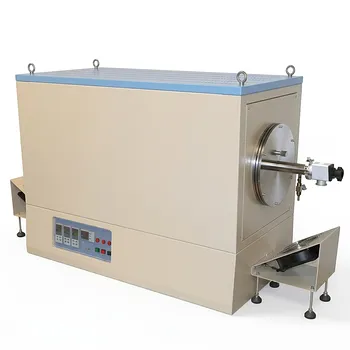
1100°C Three Zone Tube Furnace with 8.5 to 11 Inch OD Quartz Tube and Vacuum Flanges for Large Wafer Processing
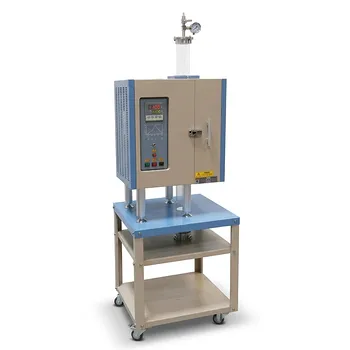
1100°C Split Vertical Tube Furnace with 80mm Quartz Tube and Stainless Steel Vacuum Flanges
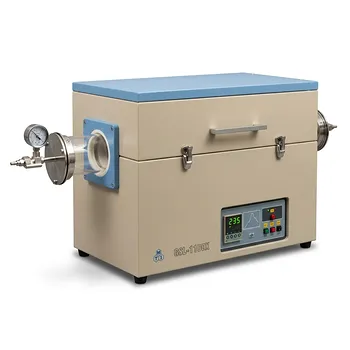
Single Zone Tube Furnace 5 Inch Quartz Tube 36 Inch Heating Zone Vacuum Flanges
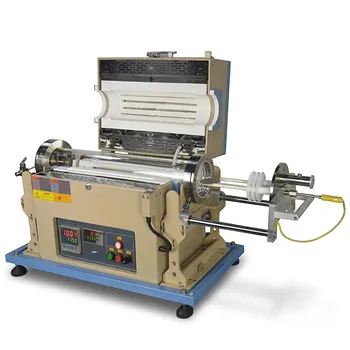
1200°C High Temperature 4 Inch Tube Furnace with Sliding Flange for CVD Systems
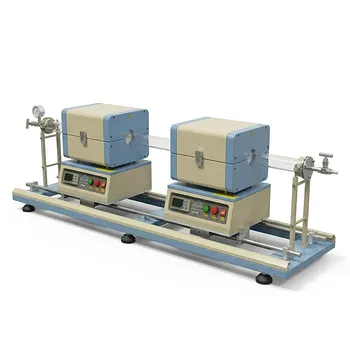
1200C Max Dual Sliding Tube Furnace with 50 mm Tube Flanges for CVD
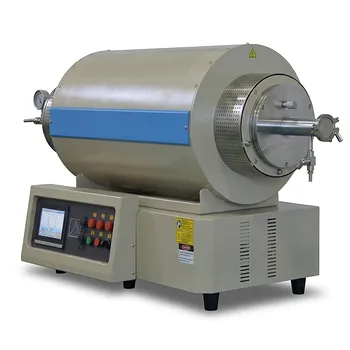
1200C Max Three Zone Tube Furnace 6 Inch OD Max with Tube and Flange
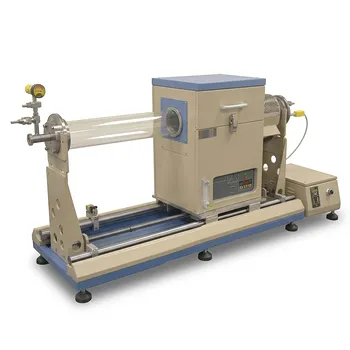
Rapid Thermal Processing Sliding Tube Furnace with 4 Inch OD Quartz Tube and 900C IR Heating