How does a high-temperature tube furnace contribute to the first stage of carbothermic reduction for uranium?
Updated 3 months ago
The high-temperature tube furnace is the fundamental processing environment required to initiate the transformation of uranium-based monomers. By providing a strictly controlled, oxygen-free thermal field, the furnace facilitates the pyrolysis of organic components at temperatures reaching 1000°C. This process is essential for creating the UO2/C nanocomposites that serve as the necessary precursors for final uranium carbide synthesis.
A high-temperature tube furnace enables the first stage of carbothermic reduction by maintaining an inert argon atmosphere and a precise heating curve. This environment allows for the controlled pyrolysis of organic precursors into stable nanocomposites while preventing unwanted oxidation.
Maintaining a High-Purity Inert Environment
The Necessity of Argon Protection
During the first stage of reduction, the presence of even trace amounts of oxygen can compromise the chemical integrity of the uranium-based monomers. The tube furnace provides a sealed environment where high-purity argon flows continuously to displace reactive gases. This isolation ensures that the chemical energy is directed toward pyrolysis rather than oxidation of the metal or carbon sources.
Quartz Tube Integrity
The use of a quartz tube within the furnace is critical for maintaining atmospheric purity. Quartz serves as a resilient barrier that can withstand the high thermal gradients required for the 1000°C process while remaining chemically inert. This ensures that no contaminants from the furnace heating elements or external environment migrate into the uranium sample.
Facilitating Thermal Transformation
Controlled Pyrolysis of Organic Components
The primary function of the furnace in this stage is to drive the thermal decomposition of organic materials within the monomer. As the temperature rises, volatile components are driven off, leaving behind a structured carbon matrix. The furnace's ability to maintain a stable heating curve ensures that this decomposition happens uniformly, preventing structural defects in the resulting material.
Formation of UO2/C Nanocomposites
The ultimate goal of this first stage is the synthesis of UO2/C nanocomposites. The tube furnace provides the sustained thermal energy (up to 1000°C) required to facilitate the interface reaction between the uranium and the carbonizing organic matter. This resulting nanocomposite is the vital building block needed for the subsequent high-temperature conversion into uranium carbides.
Ensuring Systemic Precision
Multi-Stage Programmable Temperature Control
Modern tube furnaces utilize programmable controllers to manage complex heating cycles, such as pre-calcination phases followed by formal sintering. This precision is vital for uranium-based monomers, as it allows for the gradual removal of pitch binders or organic solvents before reaching peak temperatures. This controlled ramp-up prevents the "bloating" or cracking of the precursor material.
Uniformity of the Thermal Field
A horizontal tube furnace is designed to provide a uniform temperature field across the length of the sample crucible. This uniformity ensures that the entire batch of uranium monomers undergoes identical chemical evolution. Without a consistent thermal field, the resulting UO2/C nanocomposites would exhibit varied carbon-to-metal ratios, leading to poor performance in the second stage of reduction.
Understanding the Trade-offs
Material Limitations and Temperature Ceilings
While quartz tubes are excellent for maintaining purity at 1000°C, they approach their physical limits as temperatures rise further. If the reduction process requires temperatures significantly exceeding 1200°C, a transition to alumina or ceramic tubes is necessary. However, these materials may offer different thermal shock resistance and gas-tightness profiles compared to quartz.
Atmospheric Flow vs. Heat Loss
High gas flow rates are often required to transport volatile byproducts away from the reaction zone. However, excessive argon flow can create cold spots within the furnace tube, disrupting the uniformity of the thermal field. Engineers must carefully balance the flow rate to ensure byproduct removal without compromising the temperature stability of the monomer sample.
Optimizing Furnace Use for Uranium Reduction
How to Apply This to Your Process
When configuring a high-temperature tube furnace for the first stage of carbothermic reduction, your operational parameters should be dictated by your specific material goals.
- If your primary focus is precursor purity: Prioritize the use of high-purity argon (99.999%) and perform multiple vacuum-purge cycles before initiating the heating curve.
- If your primary focus is microstructural uniformity: Utilize a furnace with a longer heating zone and ensure the sample is centered perfectly within the uniform thermal field.
- If your primary focus is volatile removal: Program a slower heating ramp (e.g., 2-5°C per minute) during the 300°C to 600°C range to allow for complete organic decomposition without sample deformation.
By precisely controlling the atmospheric purity and thermal ramp within a tube furnace, you create the ideal conditions for the stable formation of uranium carbide precursors.
Summary Table:
| Feature | Role in Stage 1 Reduction | Key Benefit |
|---|---|---|
| Inert Atmosphere | Continuous Argon flow | Prevents oxidation of uranium/carbon |
| Thermal Field | Uniform heating up to 1000°C | Ensures consistent UO2/C nanocomposites |
| Tube Material | High-purity Quartz/Ceramic | Maintains chemical integrity and vacuum seal |
| Temp Control | Multi-stage programmable ramps | Controlled pyrolysis and volatile removal |
Elevate Your Nuclear Material Research with THERMUNITS
Precision is non-negotiable in the synthesis of uranium-based materials. THERMUNITS is a leading manufacturer of high-temperature laboratory equipment specifically engineered for material science and industrial R&D. We provide the advanced thermal tools you need to master complex processes like carbothermic reduction and pyrolysis.
Our comprehensive range of solutions includes:
- Tube & Atmosphere Furnaces: Optimized for inert gas protection and vacuum integrity.
- Advanced Systems: Including CVD/PECVD, Vacuum Induction Melting (VIM), and Hot Press furnaces.
- Industrial R&D Tools: Muffle, Rotary, and Dental furnaces, alongside premium Thermal Elements.
Whether you are developing UO2/C nanocomposites or scaling up uranium carbide production, our expert team is ready to provide tailored equipment solutions.
Contact THERMUNITS today to optimize your lab’s thermal processing
References
- Alice Zanini, Giorgia Franchin. First Structured Uranium‐Based Monoliths Produced via Vat Photopolymerization for Nuclear Applications. DOI: 10.1002/adfm.202406916
Mentioned Products
- High Temperature Dual Zone Rotating Tube Furnace 1500C Silicon Carbide Heating for Advanced Material Synthesis
- High Temperature Tube Furnace 1500C with Sliding Flanges and 50mm OD for Rapid Thermal Processing Fast Heating and Cooling
- Compact High Temperature 1600C Tube Furnace with 50mm Alumina Tube and Vacuum Flanges for Material Sintering
- High Temperature 1700C Tube Furnace with High Vacuum Turbomolecular Pump System and Multi Channel Mass Flow Controller Gas Mixer
- High Temperature 1700C Vertical Tube Furnace for Powder Spherification and Material Sintering
People Also Ask
- What is the function of CVD furnaces in graphene prep? Enhancing Photodetector Charge Transport
- Why use CVD and a tube furnace for Pd3P0.95/NC catalyst phosphidation? Ensure high phase purity and performance.
- CVD Tube Furnace Advantages for Pd-P Catalyst Durability: Precision Control for 40,000+ Cycles
- How does a rotary tube furnace improve the processing of granular materials? Enhance Uniformity and Reaction Kinetics
- How does a Chemical Vapor Deposition (CVD) tube furnace facilitate synchronized nitridation? Precision Nano-Engineering.

Tech Team · ThermUnits
Last updated on Jun 02, 2026
Related Products
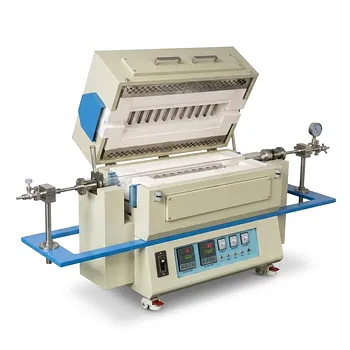
High Temperature Dual Zone Rotating Tube Furnace 1500C Silicon Carbide Heating for Advanced Material Synthesis

High Temperature Tube Furnace 1500C with Sliding Flanges and 50mm OD for Rapid Thermal Processing Fast Heating and Cooling

Compact High Temperature 1600C Tube Furnace with 50mm Alumina Tube and Vacuum Flanges for Material Sintering

High Temperature 1700C Tube Furnace with High Vacuum Turbomolecular Pump System and Multi Channel Mass Flow Controller Gas Mixer

High Temperature 1700C Vertical Tube Furnace for Powder Spherification and Material Sintering

1800C High Temperature Compact Vacuum Tube Furnace with 60mm OD Alumina Tube and Kanthal MoSi2 Heating Elements
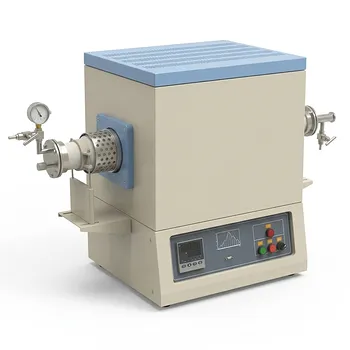
1750°C High Temperature Benchtop Vacuum Atmosphere Tube Furnace with Kanthal Super 1800 Heating Elements and 60mm Alumina Processing Tube

High Temperature 1700C Benchtop Tube Furnace with 5 Inch Heating Zone High Purity Alumina Tube and Vacuum Sealing Flanges
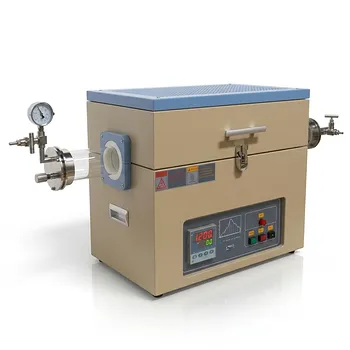
High Temperature 1200C Split Tube Furnace with Optional Quartz Tube Sizes and Vacuum Sealing Flanges for Material Science Research
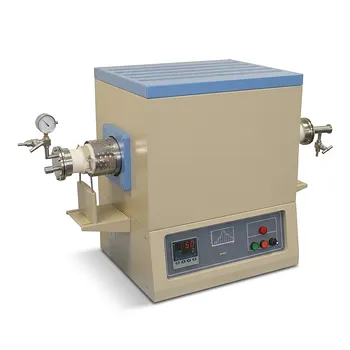
1700C High Temperature Alumina Tube Furnace with 18 Inch Heated Zone and Vacuum Sealing Flanges

High Temperature 1700C Six Zone Split Tube Furnace with Alumina Tube and Water Cooled Flanges
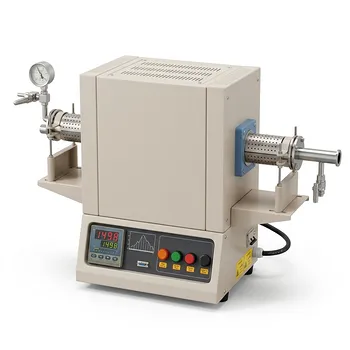
1500C High Temperature Compact Tube Furnace 2 Inch OD with Vacuum Flanges and Complete Accessories
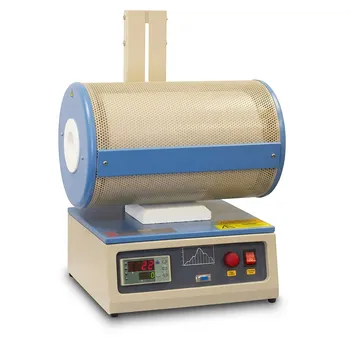
Multi Position Tube Furnace 1100C for Laboratory Material Research and Advanced Industrial Thermal Processing

High Temperature Automated 5 Inch Tube Furnace for Autonomous Material Research and Advanced Laboratory R&D
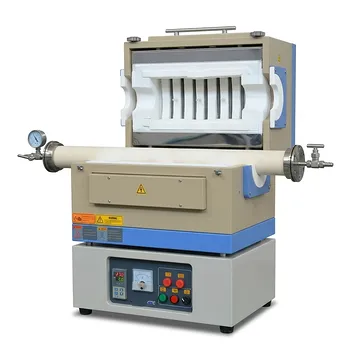
High Temperature 1600C Split Tube Furnace Vacuum Flanges Valves Optional 60mm 80mm Alumina Tube
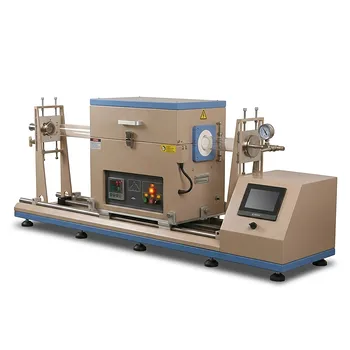
1200C Sliding Tube Furnace for Rapid Thermal Processing and CVD Graphene Growth with 100mm OD Capacity
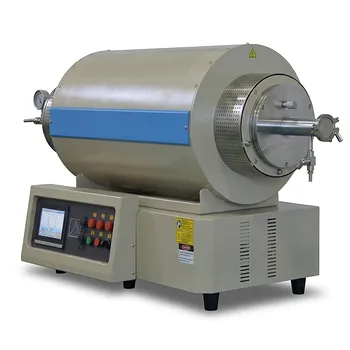
1200C Max Three Zone Tube Furnace 6 Inch OD Max with Tube and Flange
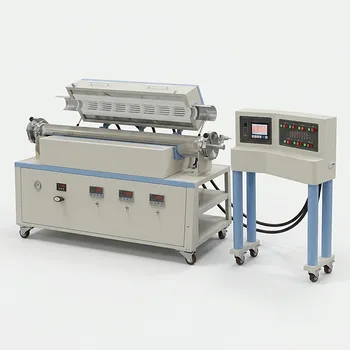
1100C Eight Zone High Pressure Super Alloy Tube Furnace with Integrated High Pressure Gas Control System

1100C Tube Furnace with Vacuum Flange and Programmable Temperature Controller for Material Science and Industrial Heat Treatment
