How does a vacuum pump facilitate arsenic and antimony separation? Precision Thermal Processing for Material Science
Updated 3 months ago
Vacuum technology serves as a critical catalyst for elemental separation by manipulating the physical state and kinetic behavior of metals. By maintaining a low-pressure environment—typically around 10 Pa—thermal processing can significantly lower the sublimation temperature of arsenic while preventing the formation of unwanted oxides. This environment allows for a deep physical separation from antimony by leveraging differences in how these elements move through space at the molecular level.
A vacuum pump facilitates separation by lowering the thermal energy required for phase changes and creating a controlled kinetic environment where differences in the mean free path and diffusion coefficients of elemental clusters drive high-purity isolation.
Thermodynamic Manipulation of Phase Changes
Lowering the Sublimation Threshold
In a high-vacuum environment, the external pressure exerted on a material is drastically reduced. This reduction allows arsenic to transition from a solid to a vapor (sublimation) at much lower temperatures than would be possible at atmospheric pressure.
Accelerating Vapor Migration
As seen in similar metallurgical processes, such as magnesium recovery, low pressure (5–15 Pa) reduces the boiling point of metals. This facilitates a faster migration of vapor from the reaction interface to the condensation zone, effectively shifting the chemical equilibrium to favor continuous separation.
Preserving Chemical Integrity through Vacuum
Preventing High-Temperature Oxidation
Arsenic vapor is highly volatile and reactive when exposed to oxygen at elevated temperatures. A vacuum pump removes atmospheric oxygen, preventing the oxidation of arsenic clusters and ensuring the final product remains in its desired elemental form.
Maintaining Elemental Purity
By eliminating reactive gases, the vacuum environment ensures that the separation remains a purely physical process. This avoids the formation of complex slag or secondary compounds that would otherwise bind arsenic and antimony together, complicating the refining process.
Kinetic Separation and Cluster Dynamics
Manipulating the Mean Free Path
The mean free path is the average distance a gas-phase cluster travels before colliding with another particle. By precisely adjusting the system pressure, engineers can increase this distance, allowing clusters to move more freely without interference.
Leveraging Diffusion Coefficients
Arsenic and antimony clusters possess different diffusion coefficients, meaning they move through the vacuum at different rates. Because their mass and molecular structures vary, the vacuum environment allows the more mobile arsenic clusters to be isolated from the antimony base through these kinetic differences.
Understanding the Trade-offs
Equipment and Maintenance Demands
Operating at pressures as low as 10 Pa requires high-grade vacuum seals and specialized pumps capable of handling corrosive or volatile vapors. Any leak in the system can introduce oxygen, leading to immediate oxidation and potential contamination of the batch.
Energy vs. Selectivity
While lower pressures facilitate easier separation, maintaining a deep vacuum requires significant energy. There is often a diminishing return where the energy cost of achieving a lower pressure outweighs the incremental gain in separation purity.
How to Apply This to Your Project
When designing a thermal separation process, your pressure and temperature targets should be dictated by your specific purity requirements and material characteristics.
- If your primary focus is Maximum Purity: Prioritize maintaining a stable vacuum of 10 Pa or lower to completely eliminate oxidation and maximize the difference in diffusion rates.
- If your primary focus is Throughput Speed: Optimize the temperature-to-pressure ratio to accelerate the migration of vapor to the condensation zone, similar to high-efficiency magnesium recovery.
- If your primary focus is Cost Efficiency: Identify the highest possible pressure that still allows for sublimation to occur, reducing the load on your vacuum pumping system.
By mastering the relationship between pressure, temperature, and cluster kinetics, you can achieve a level of elemental precision that atmospheric processing cannot match.
Summary Table:
| Factor | Mechanism | Benefit |
|---|---|---|
| Phase Change | Lowers sublimation threshold | Arsenic vaporizes at significantly lower temperatures |
| Environment | Oxygen-free atmosphere | Prevents arsenic oxidation and ensures elemental purity |
| Kinetics | Increased mean free path | Higher molecular mobility for faster vapor migration |
| Dynamics | Diffusion coefficient variance | Enables precise kinetic isolation based on cluster mass |
Elevate Your Material Refining with THERMUNITS
Achieving high-purity elemental separation requires absolute control over vacuum levels and thermal gradients. THERMUNITS is a leading manufacturer of high-temperature laboratory equipment, providing the advanced tools needed for cutting-edge material science and industrial R&D.
Our comprehensive range of thermal processing solutions—including Vacuum and Atmosphere Furnaces, Tube and Rotary Furnaces, CVD/PECVD systems, and Vacuum Induction Melting (VIM) furnaces—is engineered to meet the rigorous demands of volatile material separation. We also provide high-quality Thermal Elements and Dental Furnaces to support diverse heat treatment applications.
Ready to optimize your separation efficiency and throughput?
Contact our technical experts today to discover how THERMUNITS can provide a custom thermal solution tailored to your laboratory's specific needs.
References
- Zibin Zuo, Baoqiang Xu. Removal of Antimony from Industrial Crude Arsenic by Vacuum Sublimation: Combination of Thermodynamics and Ab Initio Molecular Dynamics. DOI: 10.3390/met14050490
Mentioned Products
- 1200C Max Compact Auto-Sliding PECVD Furnace with 2 Inch Tube and Vacuum Pump
- 2500C High Vacuum Ultrafast Heating Pellet Press with Automated 8 Sample Loading System
- High Vacuum Compact Tube Furnace 1200C with Integrated Turbo Pump System and 8 Inch Heating Zone
- Industrial Vacuum Hot Press Furnace Machine and High Temperature Heated Vacuum Press for Advanced Material Sintering
- Industrial High Temperature Vacuum Hot Press Furnace and Heated Vacuum Press Machine for Material Science Sintering
People Also Ask
- How do CVD furnace cooling rates influence graphene-platinum residual stress? Optimize Material Quality
- What role does hydrogen play in PECVD films for solar? Enhancing Passivation and Efficiency
- How PECVD Creates Oxygen Vacancies in Co3O4 Nanosheets: A Guide to Precision Defect Engineering
- What is the primary technical difference between PECVD and conventional thermal CVD? Understanding Energy & Temperature
- What are the specific advantages of using PECVD compared to thermal CVD? Low-Temp Solutions for Thin-Film Growth

Tech Team · ThermUnits
Last updated on Jun 03, 2026
Related Products
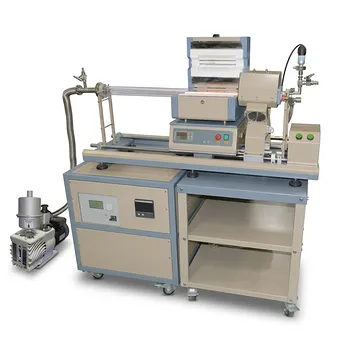
1200C Max Compact Auto-Sliding PECVD Furnace with 2 Inch Tube and Vacuum Pump
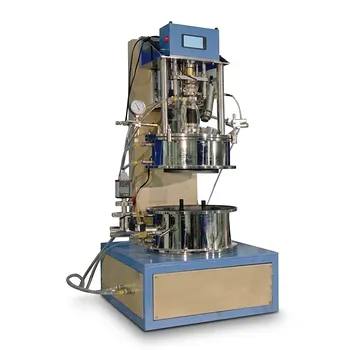
2500C High Vacuum Ultrafast Heating Pellet Press with Automated 8 Sample Loading System
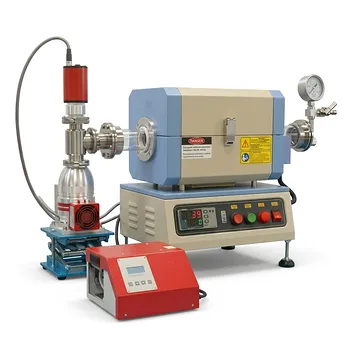
High Vacuum Compact Tube Furnace 1200C with Integrated Turbo Pump System and 8 Inch Heating Zone
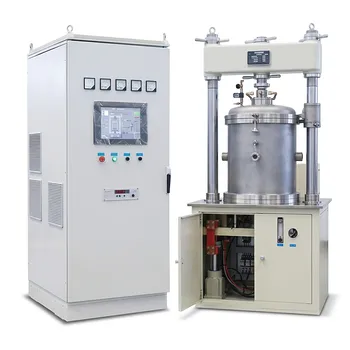
Industrial Vacuum Hot Press Furnace Machine and High Temperature Heated Vacuum Press for Advanced Material Sintering
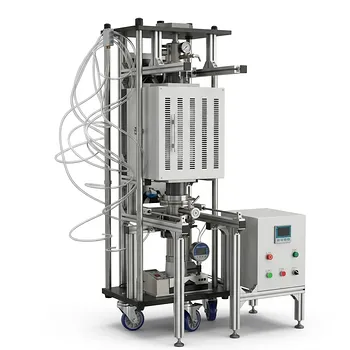
Industrial High Temperature Vacuum Hot Press Furnace and Heated Vacuum Press Machine for Material Science Sintering
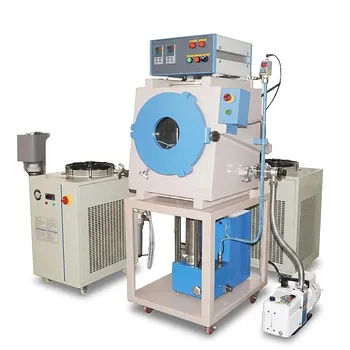
High Temperature Vacuum Lamination Hot Press Furnace Machine for Semiconductor Wafer Bonding and Advanced Composite Thermal Processing
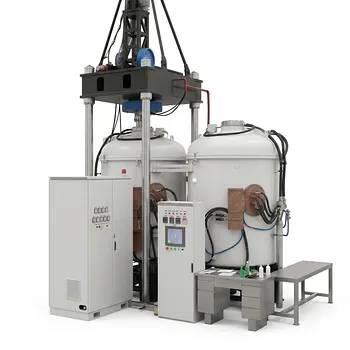
High Pressure 600T Vacuum Induction Hot Press Furnace for Advanced Material Heat Treatment and Sintering
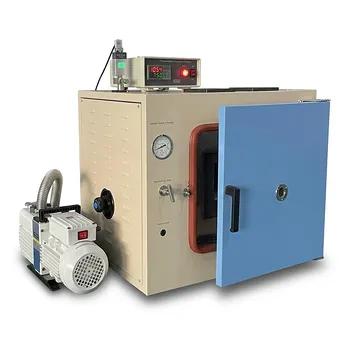
Compact High Vacuum Box Furnace 1050C Max 6.2L Ceramic Chamber Stainless Steel Shell Programmable Temperature Controller for Material Science Research
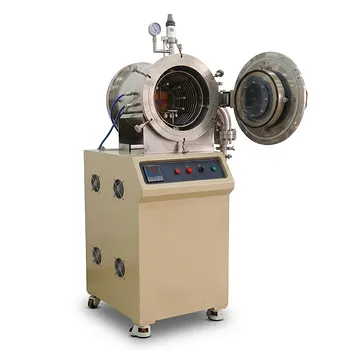
High Temperature Cold Wall High Vacuum Chamber Furnace 1400C for Advanced Material Processing
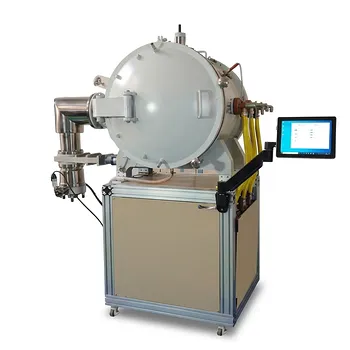
High Temperature Cold Wall Vacuum Furnace for Advanced Material Sintering and Annealing 1600C Heating Area 200x200x300mm
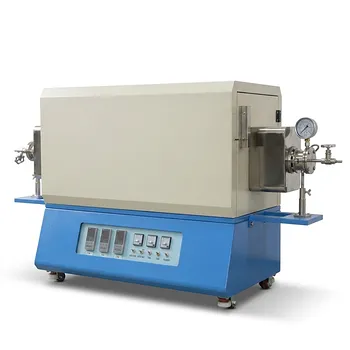
Three Temperature Zone High Temperature Vacuum Tube Furnace for CVD and Material Sintering
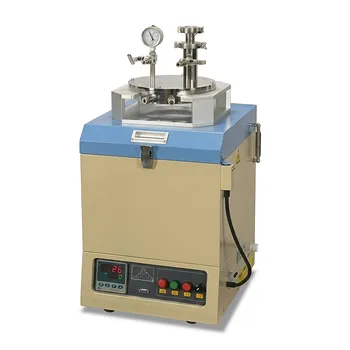
Vertical Vacuum Furnace 1100C High Temperature 8 Inch Quartz Chamber Water Cold Flange System
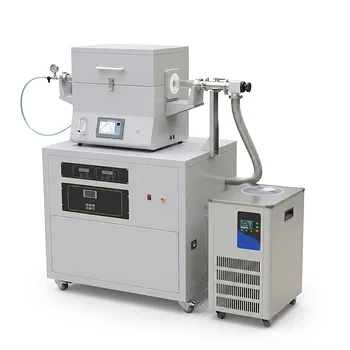
Split Chamber CVD Tube Furnace with Vacuum Station Chemical Vapor Deposition System Machine

1800C High Temperature Compact Vacuum Tube Furnace with 60mm OD Alumina Tube and Kanthal MoSi2 Heating Elements
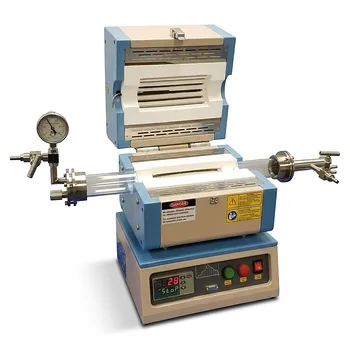
Compact Split Tube Furnace with Integrated Vacuum System and Precision Temperature Calibrator
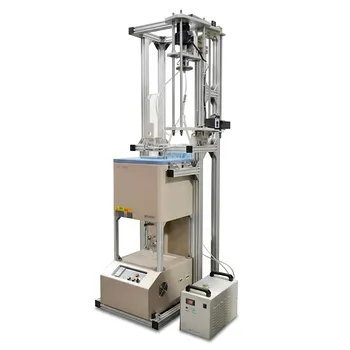
500C Vacuum Vertical Tube Furnace 84mm OD Sample Rotation Lifting System
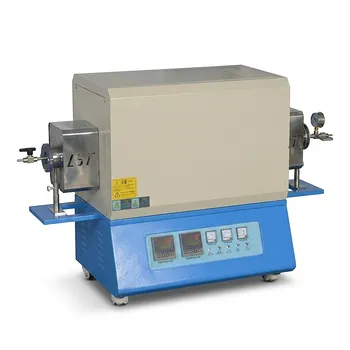
High Temperature Dual Zone Vacuum Tube Furnace for Material Research and CVD Processing
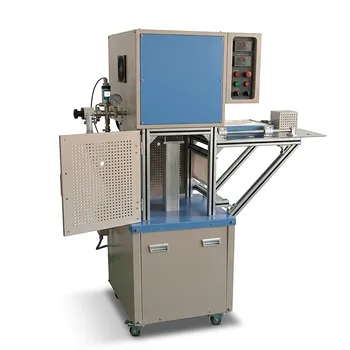
Bottom Loading Vacuum Furnace 1200C Rapid Cooling Atmosphere Control Quartz Chamber
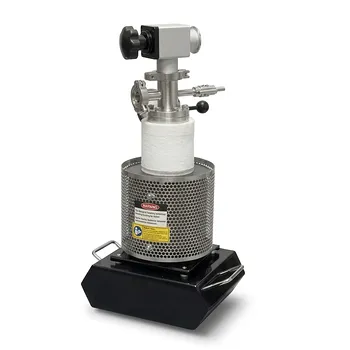
High Temperature 1100C Compact Top Loading Vertical Vacuum Tube Furnace for High Vacuum Noble Metal Melting and Material Research