How does a multi-zone heating furnace influence precursor decomposition in MOCVD for SnSe2? Enhance Purity & Quality
Updated 3 months ago
Multi-zone heating furnaces serve as the primary mechanism for decoupling precursor decomposition from film growth in MOCVD. This segmented thermal control allows for a dedicated "cracking zone" where metal-organic precursors are fully broken down into active atomic species before they reach the substrate. By isolating this process, the system ensures high decomposition efficiency, prevents organic contamination, and allows for the precise regulation of reactant flux required for high-quality $SnSe_2$ films.
Core Takeaway: A multi-zone furnace optimizes $SnSe_2$ production by independently managing the thermal requirements of precursor decomposition and crystal growth. This architectural separation ensures that only fully cracked, high-activity reactants participate in the film formation, significantly reducing impurities and improving crystalline structure.
Decoupling the Decomposition and Growth Zones
Maximizing Precursor "Cracking" Efficiency
In a single-zone system, the temperature is often a compromise between what the precursor needs to decompose and what the substrate needs for growth. A multi-zone furnace eliminates this compromise by providing a high-temperature decomposition zone specifically designed to "crack" metal-organic molecules.
Creating High-Activity Reactant Flux
By ensuring the precursors are fully decomposed before they encounter the substrate, the furnace creates a highly active flux of reactant atoms. This ensures that the chemical species arriving at the growth surface are ready for immediate incorporation into the $SnSe_2$ lattice.
Preventing Organic Contamination
One of the greatest risks in MOCVD is the inclusion of undecomposed organic byproducts within the film. Independent thermal management ensures these byproducts are processed or carried away by the gas stream, rather than being trapped in the growing $SnSe_2$ layers.
Regulating Vapor Dynamics and Partial Pressure
Independent Control of Precursor Sublimation
Similar to the growth of other 2D materials like $MoS_2$, $SnSe_2$ requires precise ratios of its constituent elements. Multi-zone furnaces allow for the differentiated heating of precursor sources, such as Selenium powder, to control their sublimation rates independently of the main reaction zone.
Precision in Vapor Partial Pressure
By setting specific temperatures across various zones, the system can precisely regulate the vapor partial pressure within the reaction chamber. This control is fundamental for achieving the desired stoichiometry and preventing the formation of unwanted phases.
Ensuring Stable Precursor Transport
The thermal gradient created by multiple zones facilitates the stable transport of precursors via the carrier gas. This prevents premature condensation or secondary reactions in the tube before the reactants reach the deposition target.
Understanding the Trade-offs and Pitfalls
Managing Thermal Crosstalk
One significant challenge in multi-zone systems is thermal crosstalk, where heat from a high-temperature decomposition zone "leaks" into a cooler substrate zone. Engineers must use precise insulation or physical spacing to ensure that independent control remains truly independent.
Risks of Premature Deposition
If the temperature gradient between zones is not managed correctly, premature deposition can occur on the walls of the furnace tube. This not only wastes expensive precursors but can also alter the gas flow dynamics, leading to non-uniform film thickness on the substrate.
Complexity of Calibration
Operating a multi-zone furnace requires a more complex calibration of heating programs. Finding the "sweet spot" where the decomposition zone is hot enough to crack precursors but the growth zone remains at the ideal epitaxial temperature requires extensive empirical testing.
How to Apply This to Your Project
Optimizing Your MOCVD Configuration
When configuring your multi-zone furnace for $SnSe_2$ growth, your temperature settings should be dictated by your primary quality metric.
- If your primary focus is Film Purity: Increase the temperature of the upstream decomposition zone to ensure total cracking of organic ligands before they reach the substrate.
- If your primary focus is Grain Size and Morphology: Focus on fine-tuning the temperature gradient between the precursor source and the substrate to maintain a stable, low-supersaturation environment.
- If your primary focus is Layer Control (Monolayer vs. Bulk): Use the multi-zone capability to strictly regulate the vapor partial pressure of Selenium, preventing over-deposition.
Precise thermal segmentation is the foundation of high-performance 2D semiconductor synthesis.
Summary Table:
| Feature | Benefit in MOCVD Process | Impact on SnSe2 Films |
|---|---|---|
| Decoupled Thermal Zones | Separates precursor cracking from film growth | Reduces organic impurities and contamination |
| High-Temp Cracking Zone | Maximizes precursor decomposition efficiency | Ensures a high-activity reactant flux |
| Independent Sublimation | Precise control of elemental ratios (e.g., Se) | Achieves accurate stoichiometry and phase purity |
| Managed Thermal Gradient | Facilitates stable precursor transport | Prevents premature deposition and ensures uniformity |
Elevate Your Material Research with THERMUNITS Precision
At THERMUNITS, we understand that high-performance 2D semiconductor synthesis like $SnSe_2$ requires absolute thermal control. As a leading manufacturer of high-temperature laboratory equipment, we provide the specialized tools necessary for advanced R&D and industrial material science.
Our comprehensive range of thermal processing solutions is designed to give you the "cracking" efficiency and growth precision your projects demand. Our offerings include:
- Advanced CVD/PECVD Systems for precise thin-film deposition.
- Multi-Zone Tube & Vacuum Furnaces to decouple decomposition from growth.
- Specialized Equipment: Muffle, Atmosphere, Rotary, and Hot Press furnaces.
- Industrial Solutions: Electric rotary kilns, Vacuum Induction Melting (VIM) furnaces, and Dental furnaces.
Ready to optimize your lab's efficiency and achieve superior heat treatment results?
Contact THERMUNITS Today to consult with our experts on the perfect thermal solution for your specific research needs.
References
- Sungyeon Kim, Joonki Suh. Phase‐Centric MOCVD Enabled Synthetic Approaches for Wafer‐Scale 2D Tin Selenides. DOI: 10.1002/adma.202400800
Mentioned Products
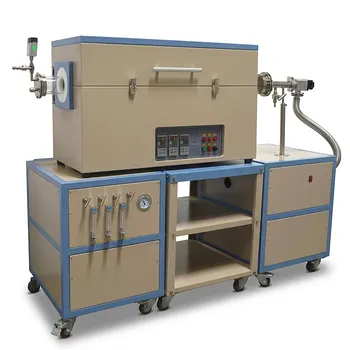
- Multi Heating Zones CVD Tube Furnace System for Precision Chemical Vapor Deposition and Advanced Material Synthesis
- 1000°C Seven Zones Conveyor Belt Furnace with Multi Zone Temperature Control 150mm Width 2000mm Heating Length
- Four Zone Tube Furnace 1100C with 600mm Large Diameter Quartz Tube and Vacuum Flanges
- Three Temperature Zone Fast Heating Furnace 1500C Laboratory High Precision Thermal Processing System
- Three Temperature Zone High Temperature Vacuum Tube Furnace for CVD and Material Sintering
People Also Ask
- How does a sliding rail design benefit the CVD process within a furnace ventilation hood? Enhance Control & Quenching
- How does the deposition process occur within a Chemical Vapor Deposition (CVD) reactor? Explore the 5-Stage Growth Cycle
- What are the primary differences between hot-wall and cold-wall CVD reactors? Choose the Best System for High Purity
- What is the primary function of a CVD system in the synthesis of Bi2O2Se thin films? Master High-Quality Crystal Growth
- What is the core function of a CVD system in FG-FET fabrication? High-Quality Graphene Synthesis for Research

Tech Team · ThermUnits
Last updated on Jun 03, 2026
Related Products
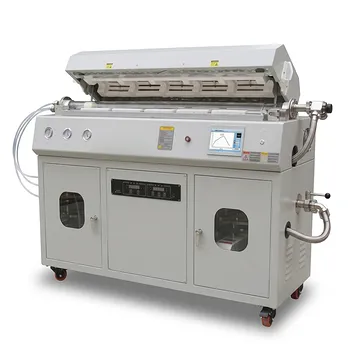
Multi Heating Zones CVD Tube Furnace System for Precision Chemical Vapor Deposition and Advanced Material Synthesis
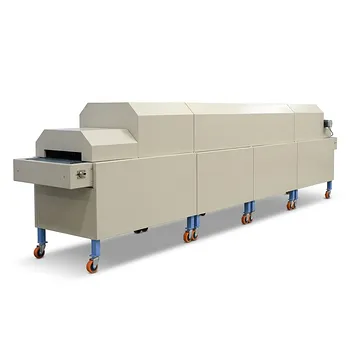
1000°C Seven Zones Conveyor Belt Furnace with Multi Zone Temperature Control 150mm Width 2000mm Heating Length
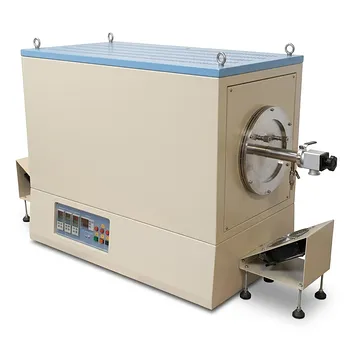
Four Zone Tube Furnace 1100C with 600mm Large Diameter Quartz Tube and Vacuum Flanges
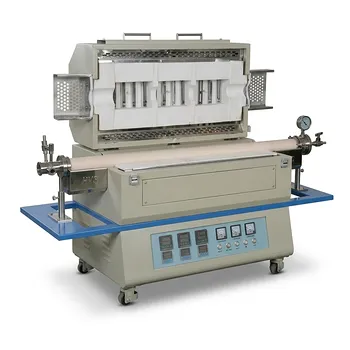
Three Temperature Zone Fast Heating Furnace 1500C Laboratory High Precision Thermal Processing System
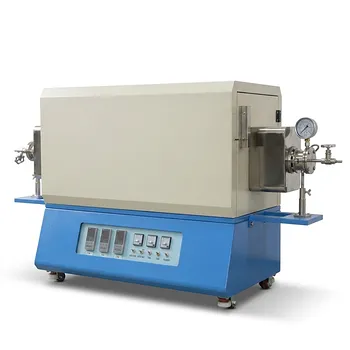
Three Temperature Zone High Temperature Vacuum Tube Furnace for CVD and Material Sintering
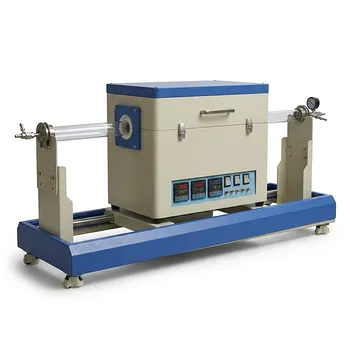
Double Temperature Zone Double Cover Tube Furnace for High Temperature CVD and Vacuum Annealing
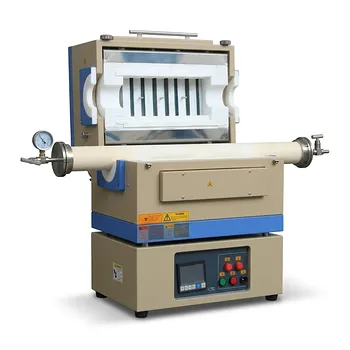
1500C Eight Zone Split Tube Furnace for Thermal Gradient Processing and Advanced Material Research
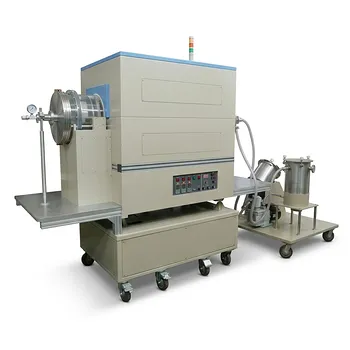
Three Zone Rotary Tube Furnace with Automatic Powder Feeding for Large Scale CVD Coating 1100C
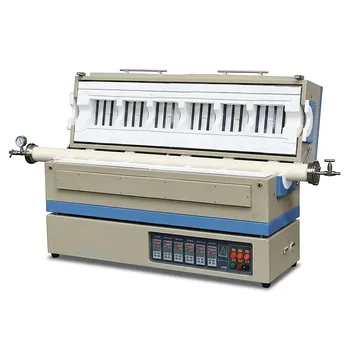
Six Zone Split Tube Furnace with Alumina Tube and Vacuum Flanges for 1500C High Temperature Thermal Processing and CVD
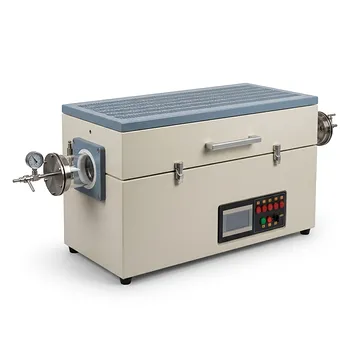
Five Zone 1200C High Temperature Split Tube Furnace with Touch Screen Controller and Multiple Quartz Tube Options
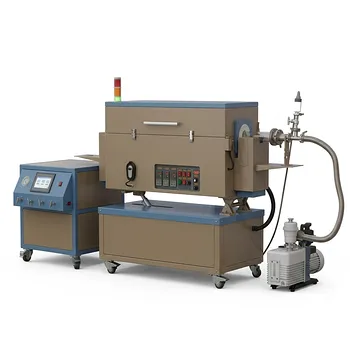
5 Inch Three Zone Rotary Tube Furnace with Integrated Gas Delivery System and 1200C Capability for Advanced Material CVD Processing
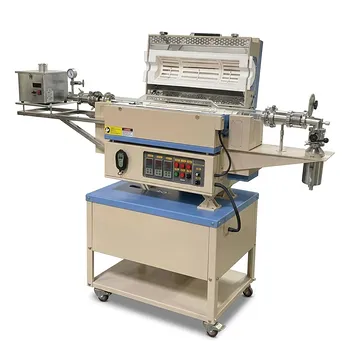
5 Inch Rotary Tube Furnace with Automatic Feeding and Receiving System 1200C Three Zone CVD Powder Processing
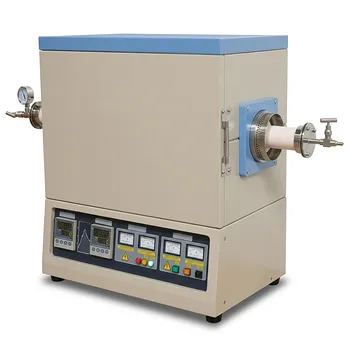
High Temperature 1700C Dual Zone Tube Furnace for Material Science and Industrial Chemical Vapor Deposition Research
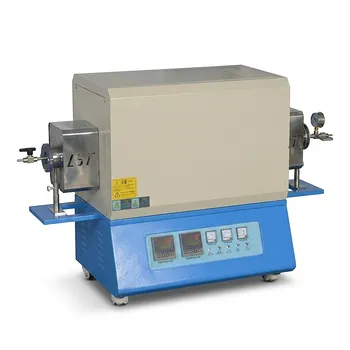
High Temperature Dual Zone Vacuum Tube Furnace for Material Research and CVD Processing
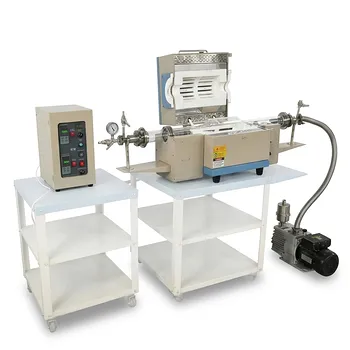
Two Zone Rotary Tube Furnace for Powder CVD Coating and Core Shell Material Synthesis 1100C
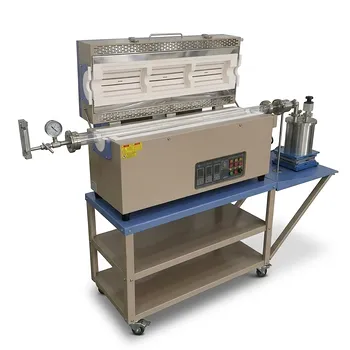
5 Inch Two Zone Rotary Tube Furnace 1100C for Powder CVD and Material Synthesis
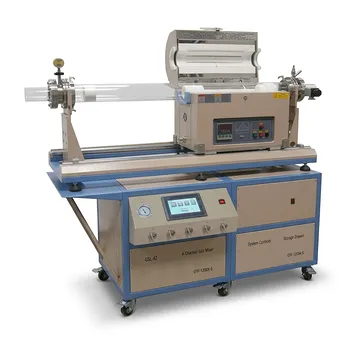
Dual Tube 100mm 80mm CVD Sliding Furnace with 4 Channel Gas Mixing and Vacuum System
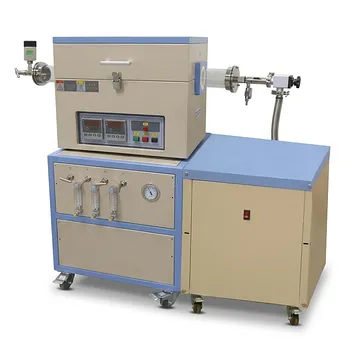
Dual Zone Quartz Tube Furnace with 80mm Diameter 1200C Max Temperature 3 Channel Gas Mixer and Vacuum Pump System
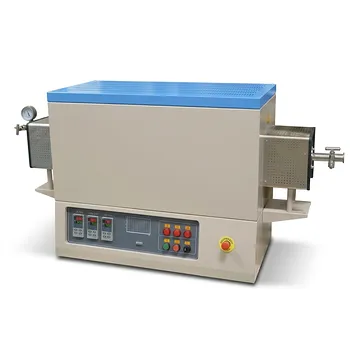
Three Zone Alumina Tube Furnace with Vacuum Flanges High Temperature 1700C Thermal Gradient CVD System