How does PECVD technology improve biomedical devices? Enhancing Biocompatibility and Precision at Low Temperatures
Updated 5 months ago
PECVD transforms biomedical manufacturing by enabling the application of high-performance coatings at temperatures low enough to preserve delicate materials. This technology uses low-temperature plasma to trigger chemical reactions, allowing for the deposition of biocompatible films like silicon dioxide and diamond-like carbon onto heat-sensitive implants and tools. By operating at a fraction of the temperature required by traditional methods, PECVD ensures that the underlying structural integrity of polymers and advanced alloys remains intact.
PECVD is the essential bridge between advanced material science and clinical safety. It provides a highly controllable method for modifying the surface properties of medical devices to improve biocompatibility and longevity without risking thermal degradation of the substrate.
Preserving Temperature-Sensitive Substrates
The Advantage of Lower Thermal Budgets
Traditional Thermal Chemical Vapor Deposition (CVD) often requires temperatures between 600°C and 900°C, which would melt or warp many medical-grade polymers and metals. PECVD operates significantly lower, typically between 200°C and 400°C, and can even function near room temperature.
Protecting Heat-Sensitive Biomaterials
By using radio frequency (RF) energy to create plasma, the system dissociates precursor gases without relying on heat alone. This allows manufacturers to coat polymers and flexible substrates that are common in modern catheters, sensors, and wearable medical electronics.
Reducing Structural Defects
Lower processing temperatures minimize the thermal expansion coefficient mismatch between the coating and the device. This reduction in thermal stress prevents the film from cracking or delaminating, ensuring a more durable bond between the coating and the medical instrument.
Enhancing Biocompatibility and Device Safety
Preventing Ion Leaching
Metal implants, such as those made of cobalt-chrome or stainless steel, can leach metallic ions into the surrounding tissue over time. PECVD produces dense, conformal films that act as a hermetic barrier, significantly reducing the migration of these ions into bodily fluids.
Customizing Surface Chemistry
The technology allows for the precise tuning of a device's surface to control how it interacts with the body. Manufacturers can adjust the process to optimize wettability and protein adsorption, which are critical factors in how well the body accepts an implant.
Application of Specialized Coatings
PECVD is widely used to deposit Diamond-Like Carbon (DLC) and silicon dioxide (SiO2). These materials provide a combination of hardness, low friction, and chemical inertness, which is ideal for the articulating surfaces of joint replacements and the cutting edges of surgical tools.
Achieving Precision on Complex Geometries
Superior Step Coverage and Conformality
Biomedical devices like vascular stents and orthopedic screws often have intricate, three-dimensional shapes. PECVD excels at providing uniform coverage over these complex geometries, ensuring every nook and cranny is protected by the functional coating.
High-Throughput Industrial Scaling
Despite its precision, PECVD is a highly efficient process capable of industrial-scale production. This allows manufacturers to maintain high film quality and uniformity across large batches of devices, making it a cost-effective solution for mass-produced medical components.
Precise Control of Film Properties
The plasma-assisted environment allows for the accurate tuning of a film's refractive index and thickness. In the context of biosensors and optical medical devices, this level of control is vital for ensuring accurate diagnostic readings and device performance.
Understanding the Trade-offs
Equipment Complexity and Cost
While PECVD offers superior performance, the systems are significantly more complex and expensive to maintain than simpler dipping or spraying methods. The requirement for vacuum systems and RF power supplies increases the initial capital investment and operational overhead.
Potential for Plasma Damage
The very plasma that enables low-temperature deposition can sometimes cause "plasma damage" to extremely sensitive electronic components or specific organic molecules. Careful calibration of the plasma density and energy is required to ensure the surface is modified without being etched or degraded.
Internal Film Stress
Thin films deposited via PECVD can sometimes harbor internal mechanical stresses. If not properly managed through recipe optimization, these stresses can lead to the warping of very thin substrates or long-term adhesion issues in specific high-load environments.
How to Apply PECVD to Your Project
Making the Right Choice for Your Goal
To successfully integrate PECVD into your manufacturing workflow, consider your primary objective for the device surface.
- If your primary focus is protecting heat-sensitive polymers: Utilize PECVD specifically to maintain a low thermal budget (below 250°C) to prevent substrate warping or melting.
- If your primary focus is increasing the lifespan of moving parts: Prioritize the deposition of Diamond-Like Carbon (DLC) to provide a hard, low-friction surface that resists wear.
- If your primary focus is improving patient safety and bio-integration: Focus on tuning the surface energy and chemistry to minimize protein adsorption and eliminate ion leaching from metallic substrates.
By leveraging the unique low-temperature capabilities of PECVD, manufacturers can create the next generation of safe, durable, and highly functional biomedical devices.
Summary Table:
| Key Benefit | Technical Impact | Biomedical Application |
|---|---|---|
| Low Thermal Budget | Prevents melting/warping of polymers | Catheters, sensors, and wearables |
| Biocompatibility | Acts as a barrier to prevent ion leaching | Metal implants and orthopedic screws |
| Surface Customization | Optimizes wettability and protein adsorption | Diagnostic tools and biosensors |
| Conformal Coating | Uniform coverage on complex 3D shapes | Vascular stents and precision tools |
| Hardness & Friction | Deposition of Diamond-Like Carbon (DLC) | Joint replacements and surgical edges |
Elevate Your Material Research with THERMUNITS
As a leading manufacturer of high-temperature laboratory equipment for material science and industrial R&D, THERMUNITS offers a comprehensive range of advanced thermal processing solutions. Our high-performance CVD/PECVD systems, alongside our specialized Vacuum and Tube furnaces, are designed to meet the rigorous demands of biomedical manufacturing and advanced heat treatment.
Whether you are developing heat-sensitive implants or next-generation biosensors, our technology ensures superior film quality and material integrity. Contact us today to find the perfect thermal solution for your lab!
Mentioned Products
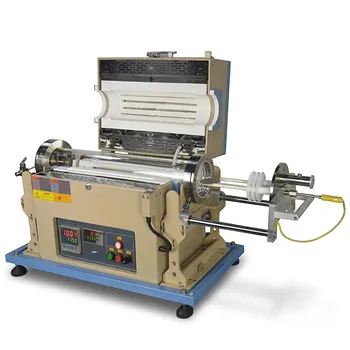
- Chemical Vapor Deposition CVD System Slide PECVD Tube Furnace with Liquid Gasifier PECVD Machine
- Inclined Rotary Plasma Enhanced Chemical Vapor Deposition PECVD System for Thin Film Deposition and Nanomaterial Synthesis
- Radio Frequency Plasma Enhanced Chemical Vapor Deposition RF PECVD System for Laboratory and Industrial Thin Film Growth
- 1200C Max Compact Auto-Sliding PECVD Furnace with 2 Inch Tube and Vacuum Pump
- 1200C Dual Sliding Tube Furnace with Dual Tubes and Flanges for PECVD Processes
People Also Ask
- What are the advantages of PECVD systems for nano flame retardant films? Protect Heat-Sensitive Polymers with Precision
- How does a sliding rail design benefit the CVD process within a furnace ventilation hood? Enhance Control & Quenching
- What is the role of CVD/PECVD systems in the research of optoelectronic materials and functional coatings? Expert Guide
- How does PECVD differ from conventional thermal CVD? Key Advantages of Low-Temperature Deposition for R&D
- What role do by-product desorption and evacuation play in CVD film quality? Key Factors for High-Purity Films

Tech Team · ThermUnits
Last updated on Apr 14, 2026
Related Products
Chemical Vapor Deposition CVD System Slide PECVD Tube Furnace with Liquid Gasifier PECVD Machine
Inclined Rotary Plasma Enhanced Chemical Vapor Deposition PECVD System for Thin Film Deposition and Nanomaterial Synthesis
Radio Frequency Plasma Enhanced Chemical Vapor Deposition RF PECVD System for Laboratory and Industrial Thin Film Growth
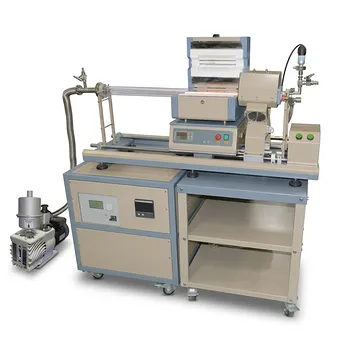
1200C Max Compact Auto-Sliding PECVD Furnace with 2 Inch Tube and Vacuum Pump
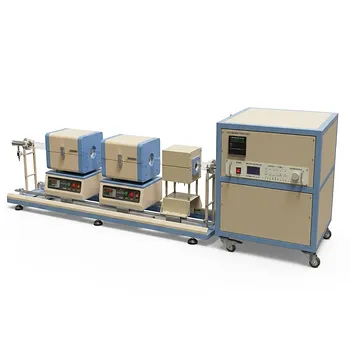
1200C Dual Sliding Tube Furnace with Dual Tubes and Flanges for PECVD Processes
Vertical Openable Tube Furnace 0-1700c High Temperature Laboratory System for CVD and Vacuum Heat Treatment
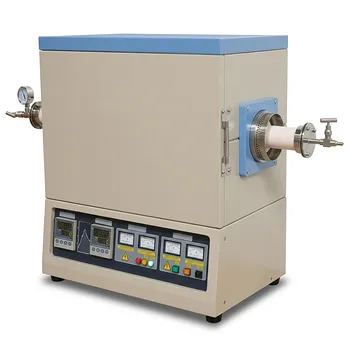
High Temperature 1700C Dual Zone Tube Furnace for Material Science and Industrial Chemical Vapor Deposition Research
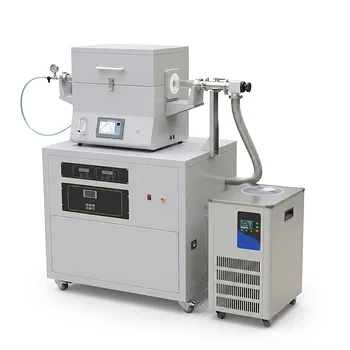
Split Chamber CVD Tube Furnace with Vacuum Station Chemical Vapor Deposition System Machine

High Temperature 1700C Tube Furnace with High Vacuum Turbomolecular Pump System and Multi Channel Mass Flow Controller Gas Mixer
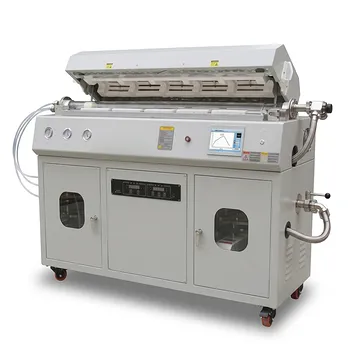
Multi Heating Zones CVD Tube Furnace System for Precision Chemical Vapor Deposition and Advanced Material Synthesis
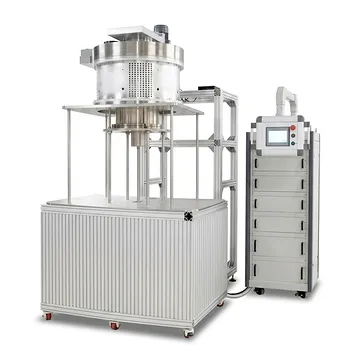
915MHz MPCVD Diamond Machine Microwave Plasma Chemical Vapor Deposition System Reactor
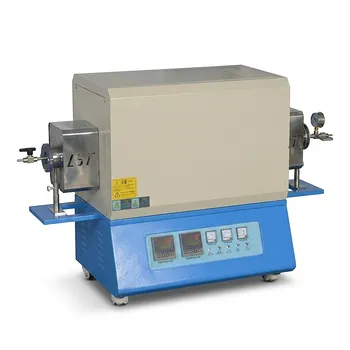
High Temperature Dual Zone Vacuum Tube Furnace for Material Research and CVD Processing
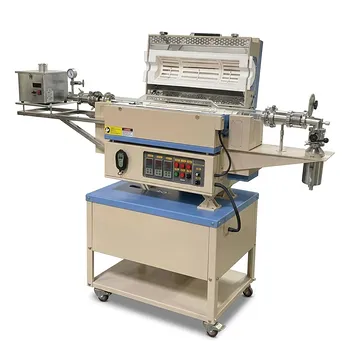
5 Inch Rotary Tube Furnace with Automatic Feeding and Receiving System 1200C Three Zone CVD Powder Processing
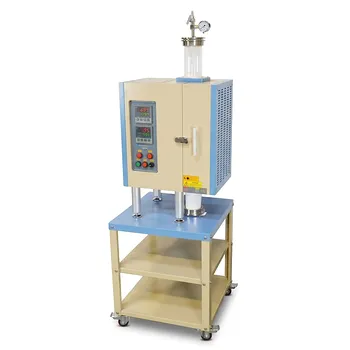
1100°C Dual Zone Split Vertical Tube Furnace with 4 Inch Quartz Tube and Vacuum Sealing Flanges
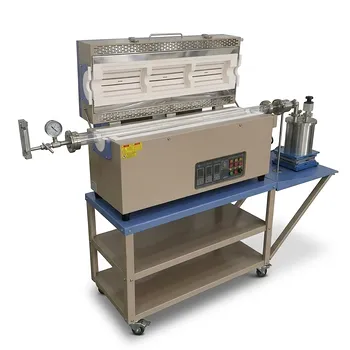
5 Inch Two Zone Rotary Tube Furnace 1100C for Powder CVD and Material Synthesis
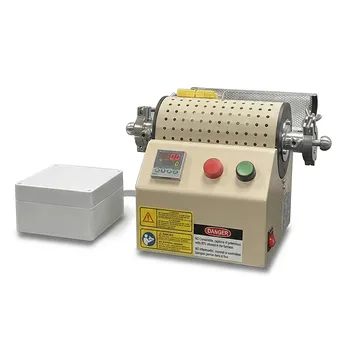
1000C Mini Tube Furnace with 20mm Quartz Tube and Vacuum Flanges for Material Science Research and Controlled Atmosphere Small Sample Processing
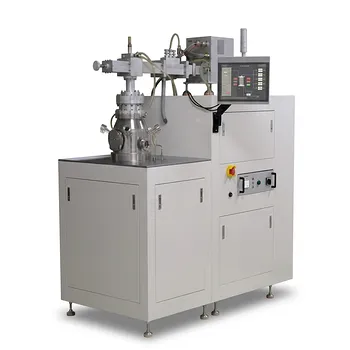
Cylindrical Resonator MPCVD Machine System for Microwave Plasma Chemical Vapor Deposition and Lab Diamond Growth
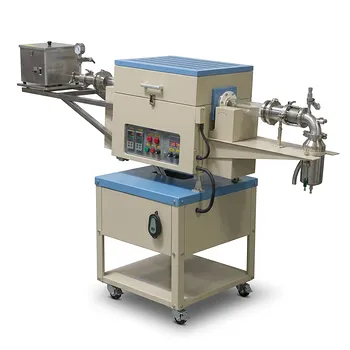
Two Zone Rotary CVD Furnace with Automatic Feeding and Receiving System for Powder Processing
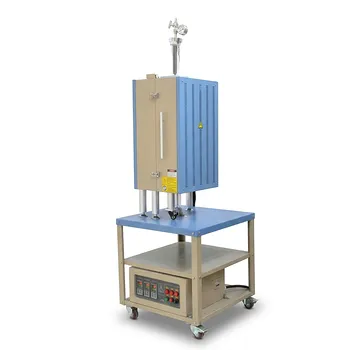
1200C Three Zone Vertical Tube Furnace with 2 Inch Quartz Tube and Vacuum Flanges