How does using an aluminum foil sandwich structure benefit the rapid pyrolysis of carbon nitride films? Optimize Synthesis
Updated 3 months ago
The aluminum foil sandwich structure is a critical process optimization that transforms a standard tube furnace into a precision micro-reactor. By physically securing substrates and trapping sublimated vapors, this configuration creates a self-generated local atmosphere that facilitates the growth of dense, uniform carbon nitride (CN) films. It simultaneously acts as a thermal buffer, ensuring rapid but even heat distribution while shielding the furnace equipment from chemical contamination.
The core advantage of the aluminum foil sandwich lies in its ability to create a high-pressure micro-environment that suppresses precursor loss and ensures uniform thermal polycondensation, even during ultra-rapid heating cycles.
Enhancing Film Quality Through Micro-Atmospheric Control
Capturing Sublimated Precursors
During rapid pyrolysis, carbon nitride precursors tend to sublimate into vapor before they can fully polymerize on the substrate. The sandwich structure creates an internal micro-space that traps these vapors, maintaining a high local concentration of reactive species directly at the film surface.
Promoting Dense and Uniform Growth
By confining the precursor vapor, the structure forces the formation of a self-generated local atmosphere. This environment prevents the patchy deposition common in open systems, resulting in a significantly more continuous and dense carbon nitride layer on the FTO (Fluorine-doped Tin Oxide) glass.
Reducing Oxidative Interference
The micro-enclosed space within the foil layers limits the entry of residual oxygen from the furnace tube. This ensures the pyrolysis occurs in a highly reductive environment, which is essential for maintaining the chemical purity and structural integrity of the synthesized film.
Thermal Dynamics and Structural Protection
Facilitating Rapid Thermal Condensation
Placing the sandwich directly into a preheated furnace (typically 650–680°C) subjects the sample to an extremely high heating rate. This rapid thermal processing allows polycondensation to occur in minutes, minimizing the time the precursor spends in the "sublimation window" where loss is most likely.
Ensuring Uniform Heat Distribution
Aluminum is an exceptional thermal conductor, which helps eliminate localized cold spots during the rapid heating process. This ensures that the entire surface of the FTO substrate reaches the target temperature simultaneously, preventing structural stress and inconsistent film thickness.
Protecting Substrate and Equipment
The foil wrap acts as a physical barrier that prevents volatile chemicals from "splashing" or depositing onto the quartz furnace tube. Furthermore, by shortening the required reaction time, it protects the FTO substrate from the glass softening or conductivity loss that often results from prolonged high-temperature exposure.
Understanding the Trade-offs
Temperature Limitations and Melting Risks
The melting point of aluminum is approximately 660°C (1220°F). Operating a furnace at the upper limit of the 650–680°C range risks the foil softening or fusing to the substrate, which can destroy the sample and contaminate the heating zone.
Vapor Pressure Management
While trapping vapors is beneficial, an excessively tight seal can lead to pressure build-up or "violent splashing" of volatiles if the precursor decomposes too rapidly. Achieving the correct balance of "enclosed but not hermetic" is essential for reproducible results.
Substrate Surface Interference
If the aluminum foil makes direct contact with the active side of the film during the reaction, it may cause surface defects or unwanted alloying. The "face-to-face" orientation of the FTO substrates is required to prevent the foil from interfering with the growing carbon nitride layer.
How to Apply This to Your Project
Recommendations for Implementation
- If your primary focus is maximizing film density: Ensure the FTO substrates are placed in a strict face-to-face "sandwich" within the foil to create the most concentrated vapor environment possible.
- If your primary focus is protecting delicate substrates: Use the rapid-entry method into a preheated furnace to minimize the total duration of heat exposure, relying on the foil to distribute heat quickly.
- If your primary focus is preventing furnace maintenance: Always ensure the aluminum foil wrap is wide enough to catch all potential outgassing, acting as a disposable liner for your reaction.
By mastering the micro-environmental control provided by the aluminum foil sandwich, researchers can achieve high-quality carbon nitride films with standard laboratory equipment.
Summary Table:
| Key Benefit | Mechanism | Core Outcome |
|---|---|---|
| Micro-Atmosphere | Traps sublimated precursor vapors | Dense, continuous, and high-purity film growth |
| Thermal Uniformity | High aluminum conductivity | Even heat distribution; prevents structural stress |
| Equipment Protection | Physical barrier for vapors | Prevents chemical contamination of quartz tubes |
| Process Speed | Buffer for rapid-entry heating | Achieves polycondensation in minutes, protecting substrates |
Elevate Your Advanced Material Synthesis with THERMUNITS
Precision thermal control is the backbone of high-quality material research. As a leading manufacturer of high-temperature laboratory equipment, THERMUNITS provides the specialized tools you need for successful carbon nitride synthesis and complex industrial R&D.
Our comprehensive range of thermal solutions—including Tube Furnaces, Vacuum & Atmosphere Furnaces, Muffle Furnaces, and CVD/PECVD systems—is engineered for the high-pressure micro-environments and rapid heating rates your projects demand.
Why choose THERMUNITS?
- Superior temperature uniformity for reproducible results.
- Durable equipment designed for material science and industrial scaling.
- Expert support for specialized rigs like rotary kilns and hot press furnaces.
Ready to optimize your lab’s efficiency? Contact our technical experts today to find the perfect heat treatment solution for your research requirements!
References
- Ayelet Tashakory, Menny Shalom. Minute‐Scale High‐Temperature Synthesis of Polymeric Carbon Nitride Photoanodes. DOI: 10.1002/sstr.202400123
Mentioned Products
- 1200C Sliding Internal Crucible Tube Furnace for Controlled Atmosphere Thin Film Deposition and Material Sublimation Research
- Versatile Chemical Vapor Deposition Tube Furnace System for Advanced Material Research and Industrial Coating Processes
- Split Chamber CVD Tube Furnace with Vacuum Station Chemical Vapor Deposition System Machine
- Vertical Openable Tube Furnace 0-1700c High Temperature Laboratory System for CVD and Vacuum Heat Treatment
- 1200C Max Dual Sliding Tube Furnace with 50 mm Tube Flanges for CVD
People Also Ask
- What are the advantages of a tube atmosphere furnace for CdS thin films? Enhance Crystallinity & Prevent Sulfur Loss
- Why is an atmosphere tube furnace considered core equipment for CVD? Essential for Precision Thin-Film & 2D Materials
- Why is an atmosphere-controlled tube furnace required for the annealing of Sb2S3? Optimize Semi-conductor Performance
- How does a slanted tube furnace contribute to the crystal growth of Sr4Os3O12? Optimize Thermal Fields and Purity
- Why must deposited LiMn2O4 thin films undergo annealing in a digital tube furnace? Unlock High-Performance Cathodes

Tech Team · ThermUnits
Last updated on Jun 03, 2026
Related Products
1200C Sliding Internal Crucible Tube Furnace for Controlled Atmosphere Thin Film Deposition and Material Sublimation Research
Versatile Chemical Vapor Deposition Tube Furnace System for Advanced Material Research and Industrial Coating Processes
Split Chamber CVD Tube Furnace with Vacuum Station Chemical Vapor Deposition System Machine
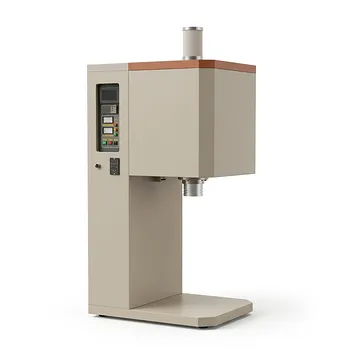
Vertical Openable Tube Furnace 0-1700c High Temperature Laboratory System for CVD and Vacuum Heat Treatment
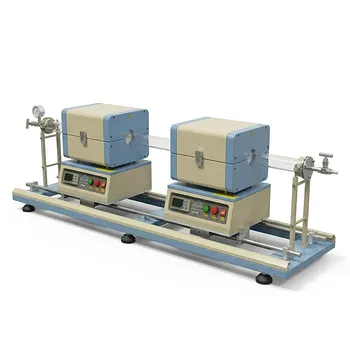
1200C Max Dual Sliding Tube Furnace with 50 mm Tube Flanges for CVD
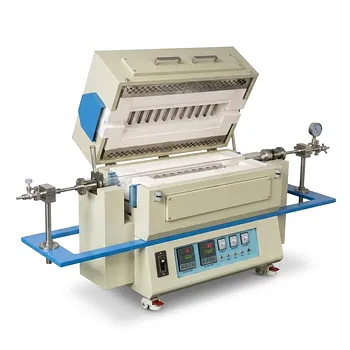
High Temperature Dual Zone Rotating Tube Furnace 1500C Silicon Carbide Heating for Advanced Material Synthesis
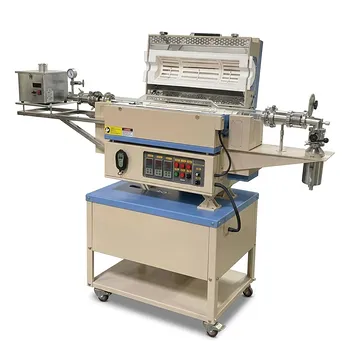
5 Inch Rotary Tube Furnace with Automatic Feeding and Receiving System 1200C Three Zone CVD Powder Processing
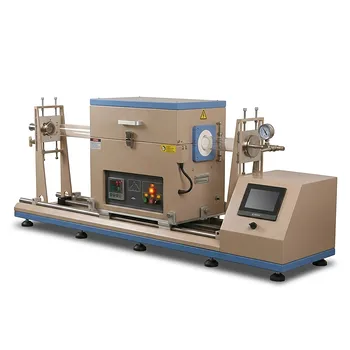
1200C Sliding Tube Furnace for Rapid Thermal Processing and CVD Graphene Growth with 100mm OD Capacity
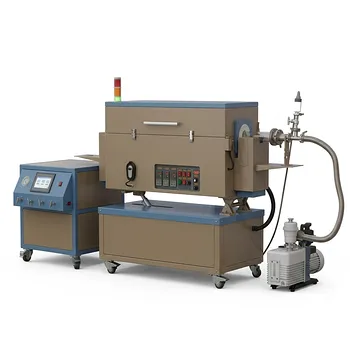
5 Inch Three Zone Rotary Tube Furnace with Integrated Gas Delivery System and 1200C Capability for Advanced Material CVD Processing
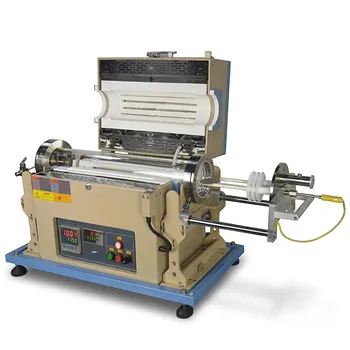
1200°C High Temperature 4 Inch Tube Furnace with Sliding Flange for CVD Systems
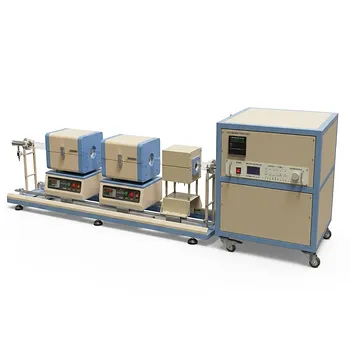
1200C Dual Sliding Tube Furnace with Dual Tubes and Flanges for PECVD Processes

High Temperature 1700C Vertical Tube Furnace for Powder Spherification and Material Sintering
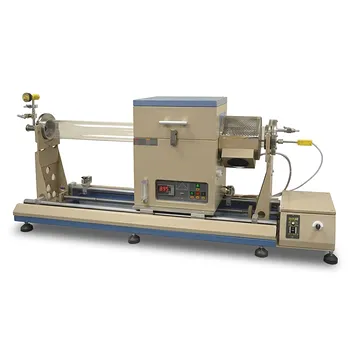
900 ºC Max Sliding RTP Tube Furnace with Rapid IR Heating and 4 Inch OD Quartz Tube

Compact Vertical Split Quartz Tube Furnace with Stainless Steel Vacuum Flanges for Rapid Thermal Quenching and Controlled Atmosphere Material Processing

High Temperature 1700C Tube Furnace with High Vacuum Turbomolecular Pump System and Multi Channel Mass Flow Controller Gas Mixer
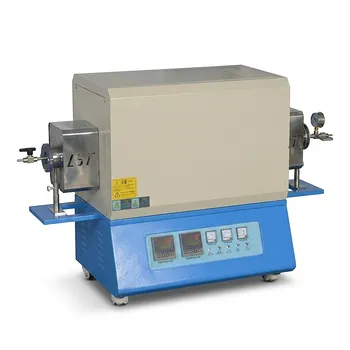
High Temperature Dual Zone Vacuum Tube Furnace for Material Research and CVD Processing
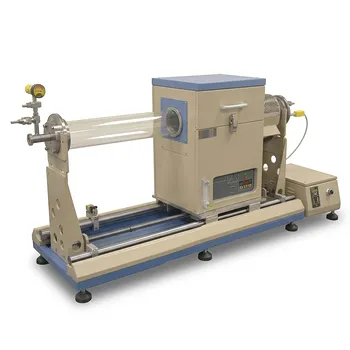
Rapid Thermal Processing Sliding Tube Furnace with 4 Inch OD Quartz Tube and 900C IR Heating
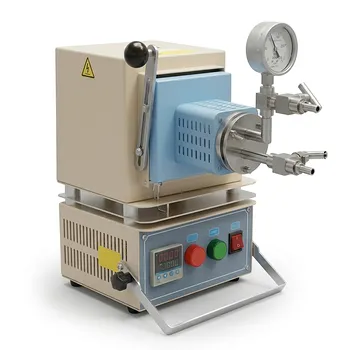
Compact Hybrid Muffle and Tube Furnace for 1000C Controlled Atmosphere Laboratory Material Sintering

High Temperature Automated 5 Inch Tube Furnace for Autonomous Material Research and Advanced Laboratory R&D