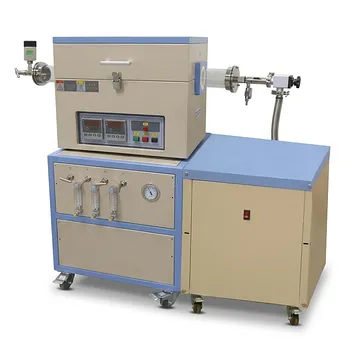
What are the temperature control requirements for a tube furnace used in pyrolysis and CVD? Master Thermal Precision
Updated 5 months ago
To achieve successful simultaneous pyrolysis and chemical vapor deposition (CVD), a tube furnace must provide precise programmable ramp rates and high-temperature stability. Specifically, the system requires a heating rate of approximately 10 °C/min and the ability to maintain a stable thermal field at 900 °C to integrate carbonization and carbon nanotube (CNT) growth in situ.
Simultaneous pyrolysis and CVD require a furnace capable of balancing the kinetic demands of material decomposition with the thermodynamic stability needed for nanostructure synthesis. The core requirement is the integration of precise ramping and multi-zone thermal management to control the transition from precursor to structured material.
The Critical Role of Programmable Ramp Rates
Controlling the Rate of Carbonization
In processes like the carbonization of polymer fibers, the heating rate (typically 5–10 °C/min) is vital for the orderly thermal decomposition of organic frameworks. If the ramp is too fast, the resulting carbon skeleton may lack the necessary specific surface area or hierarchical pore structure.
Synchronizing Pyrolysis with CVD Activation
The programmable ramp ensures that the release of volatile carbon sources from the pyrolysis stage aligns with the catalytic activation required for CVD. This synchronization is what allows for the "in situ" growth of structures like carbon nanotubes directly onto the pyrolyzed substrate.
High-Temperature Stability and Thermal Fields
Maintaining the 900 °C Reaction Threshold
A stable environment at approximately 900 °C is the industry standard for driving the localized growth of carbon nanotubes. At this temperature, the furnace provides the necessary thermal energy for the decomposition of carbon sources (like methane) on metal catalysts.
Precision Gas Flow and Temperature Coordination
Temperature control cannot exist in a vacuum; it must be paired with precision gas flow control. The furnace must maintain a stable ratio of reducing atmospheres (hydrogen) and carbon sources (methane) while the temperature remains constant to ensure high-quality, directional growth.
Multi-Zone Control and Gradient Management
Independent Zone Programming
Advanced applications, such as preparing heterostructures, often require multi-zone independent control. This allows one part of the furnace to operate at a lower temperature to control the sublimation of precursor powders, while the central zone operates at a higher temperature for phase transformation.
Facilitating Vapor Concentration Matching
By managing a temperature gradient, the furnace ensures that the vapor concentration of reactants matches the reaction rate at the substrate. This precision is what enables molecular-level control over film thickness, morphology, and crystallinity in CVD-grown materials.
Understanding the Trade-offs
Thermal Inertia vs. Rapid Control
A primary challenge in tube furnace design is the trade-off between thermal mass and responsiveness. Large industrial-grade furnaces offer excellent stability at 900 °C but may struggle with rapid cooling or cooling-rate precision, which can affect the final morphology of sensitive nanomaterials.
Atmosphere Contamination from Pyrolysis
When combining pyrolysis and CVD, the byproducts of decomposition (such as tars or volatile organics) can contaminate the CVD reaction site. Managing the furnace temperature to ensure these byproducts are either fully carbonized or efficiently swept away by protective gas (like argon) is a difficult but necessary balancing act.
Making the Right Choice for Your Goal
To ensure your tube furnace meets the requirements of your specific simultaneous process, consider the following recommendations:
- If your primary focus is carbon nanotube growth on fibers: Prioritize a furnace with a stable 900 °C thermal field and programmable ramps of 10 °C/min to synchronize carbonization with growth.
- If your primary focus is synthesizing complex heterostructures: Invest in a multi-zone furnace that allows for independent control of precursor sublimation and high-temperature reaction zones.
- If your primary focus is biochar or activated carbon modification: Focus on a system that offers precise heating rates at lower intervals (5 °C/min) and accurate constant temperatures to maintain persistent free radicals.
Selecting a furnace that integrates precision thermal gradients with robust atmosphere control is the only way to achieve repeatable, molecular-level results in integrated pyrolysis and CVD workflows.
Summary Table:
| Parameter | Requirement | Purpose |
|---|---|---|
| Heating Rate | 5–10 °C/min | Controls carbonization & organic decomposition |
| Operating Temp | ~900 °C Stability | Vital for CNT growth & catalytic activation |
| Control Mode | Multi-zone Independent | Manages thermal gradients & precursor sublimation |
| Atmosphere | Precision Gas Coordination | Synchronizes reactive gas flow with thermal cycles |
| Cooling Rate | Responsive Management | Prevents morphology changes in nanomaterials |
Elevate Your Material Synthesis with THERMUNITS
Achieving molecular-level precision in combined pyrolysis and CVD requires more than just heat—it requires total thermal control. THERMUNITS is a leading manufacturer of high-performance laboratory equipment designed specifically for material science and industrial R&D.
Whether you are synthesizing carbon nanotubes or developing complex heterostructures, our advanced thermal solutions provide the stability and programmable precision your research demands. Our comprehensive range includes:
- CVD/PECVD Systems & Multi-Zone Tube Furnaces
- Muffle, Vacuum, and Atmosphere Furnaces
- Rotary Kilns and Vacuum Induction Melting (VIM) Furnaces
- Hot Press and Dental Furnaces
- High-quality Thermal Elements and specialized heat treatment equipment
Ready to optimize your lab's thermal processing? Contact our technical experts today to discuss your specific process requirements and find the ideal high-temperature solution.
References
- Sura Nguyen, Sergio O. Martínez‐Chapa. Synthesis and characterization of hierarchical suspended carbon fiber structures decorated with carbon nanotubes. DOI: 10.1007/s10853-024-09359-0
Mentioned Products
- Vertical Openable Tube Furnace 0-1700c High Temperature Laboratory System for CVD and Vacuum Heat Treatment
- 5 Inch Three Zone Rotary Tube Furnace with Integrated Gas Delivery System and 1200C Capability for Advanced Material CVD Processing
- Two Zone Rotary Tube Furnace for Powder CVD Coating and Core Shell Material Synthesis 1100C
- 1200C Max Dual Sliding Tube Furnace with 50 mm Tube Flanges for CVD
- 5 Inch Two Zone Rotary Tube Furnace 1100C for Powder CVD and Material Synthesis
People Also Ask
- Why is a Tube Furnace typically utilized for CVD? Achieve Precision in Graphene and 2D Material Synthesis
- What role does a high-temperature vertical tube furnace play in simulating high-carbon ferromanganese slag formation?
- What functions does a vertical high-temperature tube furnace perform? Master Industrial Sintering & R&D Simulation
- How does a vertical tube furnace facilitate thermoelectric alloy melting? Precision synthesis for material homogeneity.
- How is an industrial-grade vertical tube furnace utilized in smelting leaching residues? Enhance Metal Recovery Efficiency

Tech Team · ThermUnits
Last updated on Apr 14, 2026
Related Products
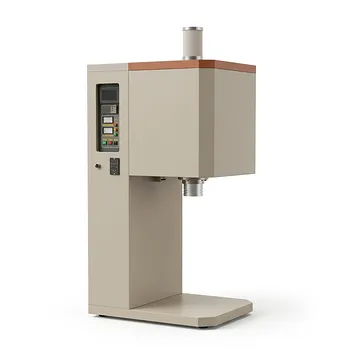
Vertical Openable Tube Furnace 0-1700c High Temperature Laboratory System for CVD and Vacuum Heat Treatment
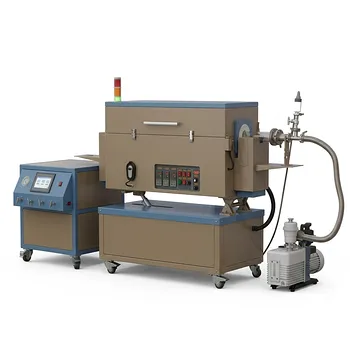
5 Inch Three Zone Rotary Tube Furnace with Integrated Gas Delivery System and 1200C Capability for Advanced Material CVD Processing
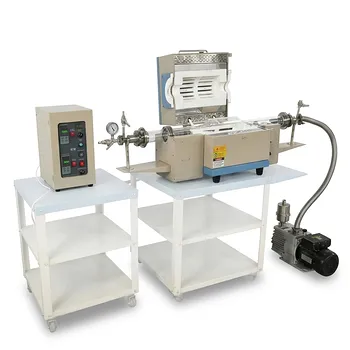
Two Zone Rotary Tube Furnace for Powder CVD Coating and Core Shell Material Synthesis 1100C
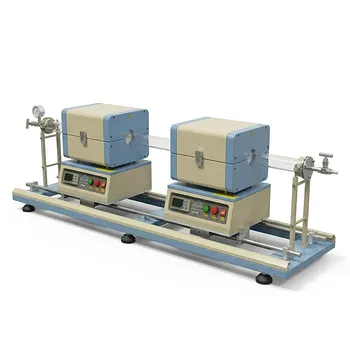
1200C Max Dual Sliding Tube Furnace with 50 mm Tube Flanges for CVD
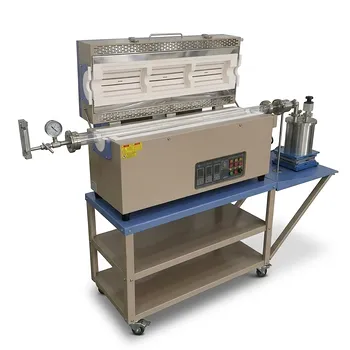
5 Inch Two Zone Rotary Tube Furnace 1100C for Powder CVD and Material Synthesis
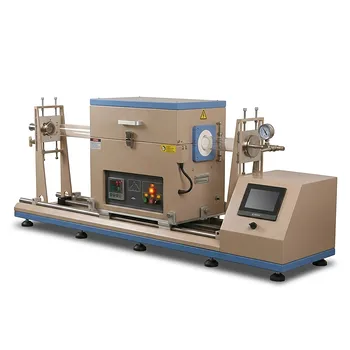
1200C Sliding Tube Furnace for Rapid Thermal Processing and CVD Graphene Growth with 100mm OD Capacity
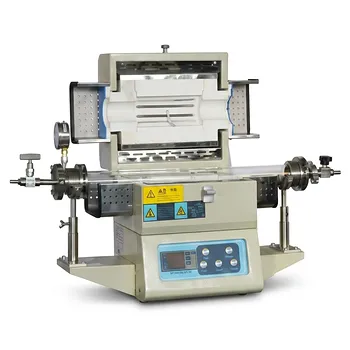
High Temperature 1200C Split Tube Furnace for CVD Research and Vacuum Atmosphere Heat Treatment
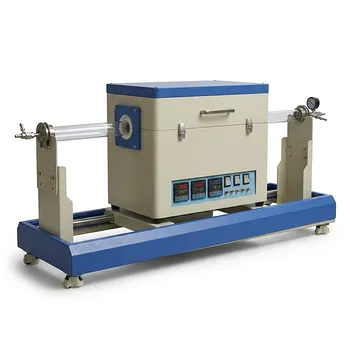
Double Temperature Zone Double Cover Tube Furnace for High Temperature CVD and Vacuum Annealing
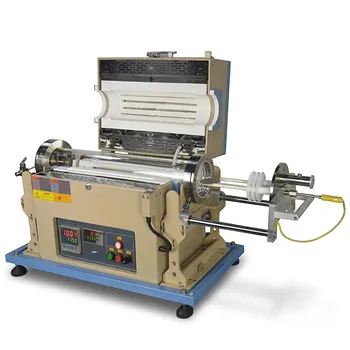
1200°C High Temperature 4 Inch Tube Furnace with Sliding Flange for CVD Systems
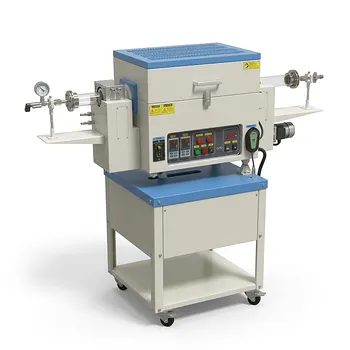
4 Inch Two Zone Rotary CVD Tube Furnace for High Temperature Battery Material Synthesis and Advanced Material Calcination
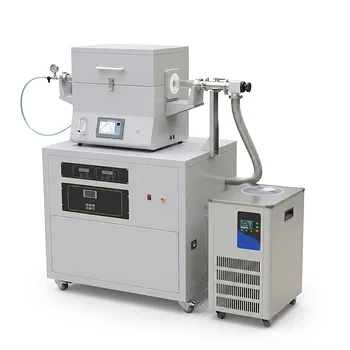
Split Chamber CVD Tube Furnace with Vacuum Station Chemical Vapor Deposition System Machine
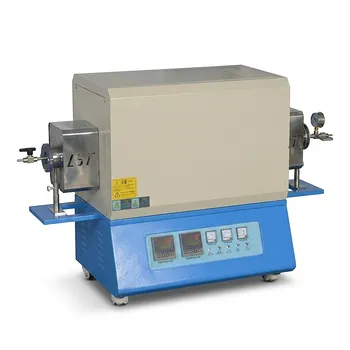
High Temperature Dual Zone Vacuum Tube Furnace for Material Research and CVD Processing
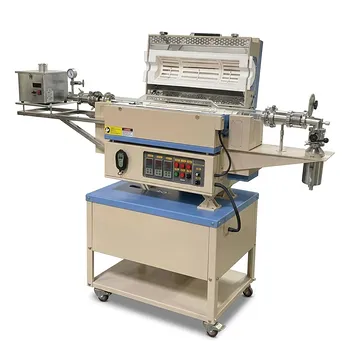
5 Inch Rotary Tube Furnace with Automatic Feeding and Receiving System 1200C Three Zone CVD Powder Processing
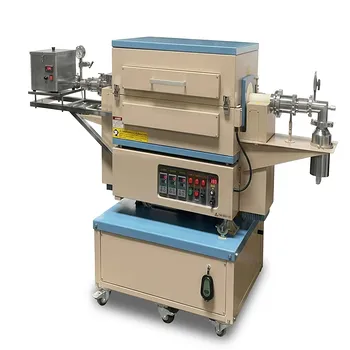
1500C 3-Zone Rotary Tube Furnace 60mm with Automatic Powder Feeding and Receiving System for Continuous Material Synthesis
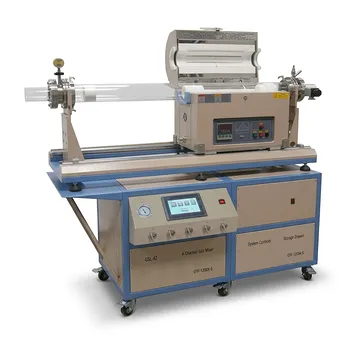
Dual Tube 100mm 80mm CVD Sliding Furnace with 4 Channel Gas Mixing and Vacuum System
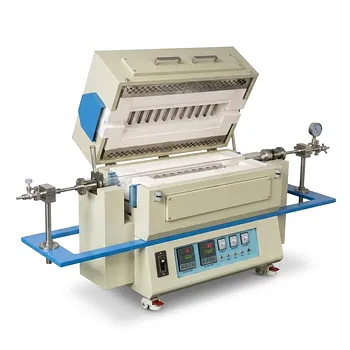
High Temperature Dual Zone Rotating Tube Furnace 1500C Silicon Carbide Heating for Advanced Material Synthesis
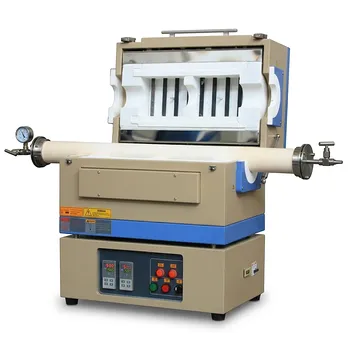
1500C Two Zone Split Tube Furnace with Vacuum Flange and 80mm Alumina Tube
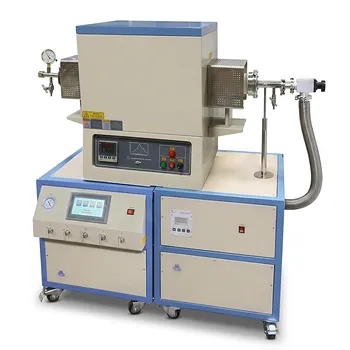
High Temperature 1700C Tube Furnace with High Vacuum Turbomolecular Pump System and Multi Channel Mass Flow Controller Gas Mixer
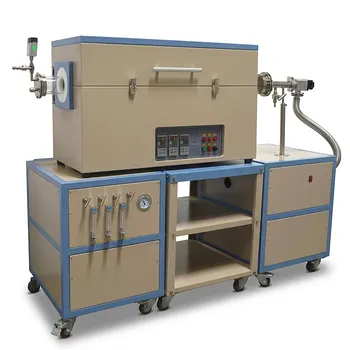
Three Zone Quartz Tube Furnace with 3 Channel Gas Mixer Vacuum Pump and Anti Corrosive Vacuum Gauge