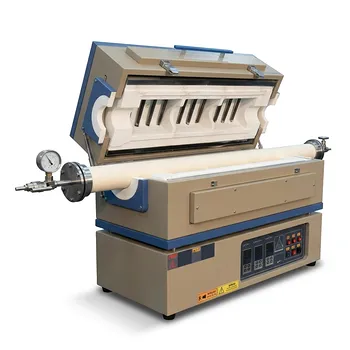
What is the core function of a laboratory split-tube furnace in carbon dioxide capture testing? - Key Thermal Precision
Updated 3 months ago
In carbon dioxide capture testing, the laboratory split-tube furnace acts as the critical thermal engine that maintains the reaction medium in its active state. Specifically, it provides the precise heating required to keep molten carbonate membranes between 550°C and 700°C, ensuring they remain liquid to facilitate the ionic conductivity necessary for CO2 transport.
Core Takeaway: The split-tube furnace is not merely a heat source but a precision instrument that enables CO2 capture by maintaining the molten phase of the membrane and providing a controlled, uniform thermal environment that simulates industrial operating conditions.
Thermal Activation of the Capture Medium
Maintaining Phase Transition
For CO2 capture involving molten carbonate membranes, the furnace must maintain a temperature range of 550°C to 700°C.
This specific range is vital because the carbonate must remain in a liquid state to function.
If the temperature drops below this threshold, the membrane solidifies, effectively halting the capture process.
Enabling Ionic Conductivity
The primary goal of the liquid phase is to ensure high ionic conductivity throughout the experiment.
In its molten state, the membrane allows ions to move freely, which is the fundamental mechanism for transporting CO2 across the barrier.
The furnace provides the stable operating temperature required to keep this transport pathway open and efficient.
Advantages of the Split-Tube Design
Ease of Access and Loading
The split-tube architecture is designed for high-throughput research environments where frequent sample changes are necessary.
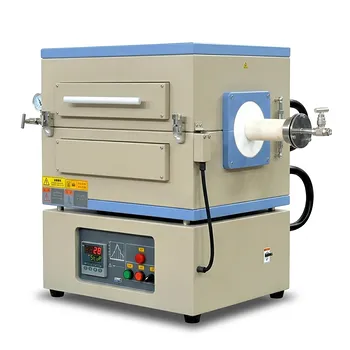
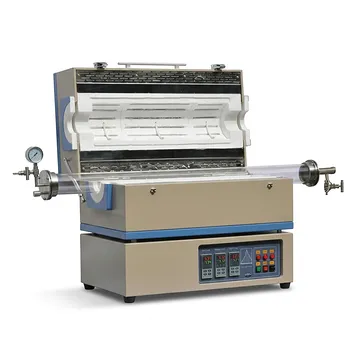
Unlike standard tube furnaces, the split design allows the heating mantle to open, providing direct access to the reaction tube.
This feature significantly simplifies the loading and unloading of membrane components, reducing the risk of damaging delicate ceramic or metallic housings.
Multi-Zone Thermal Uniformity
Industrial CO2 capture occurs on a massive scale where thermal gradients can lead to efficiency losses.
Laboratory split-tube furnaces often utilize multi-zone temperature control to simulate these conditions accurately.
By adjusting different heating zones, researchers achieve uniform heating across the entire membrane surface, ensuring that experimental data is representative of real-world applications.
Controlled Environments and Industrial Simulation
Atmospheric Integrity and Sealing
Effective CO2 capture testing often requires a controlled atmosphere, such as the use of inert nitrogen (N2) to prevent unwanted oxidation.
High-quality furnaces feature superior sealing performance to isolate the sample from external contaminants.
This ensures an oxygen-free environment when necessary, which is critical for maintaining the chemical stability of the membrane materials at high temperatures.
Radial Heating Uniformity
The cylindrical geometry of the furnace provides highly uniform radial heating.
This ensures that the reaction tube is heated evenly from all sides, preventing "cold spots" that could cause the molten carbonate to crystallize prematurely.
Uniform heat distribution is essential for precise temperature control and consistent, repeatable experimental results.
Understanding the Trade-offs
Thermal Inertia vs. Rapid Cycling
While split-tube furnaces offer excellent stability, their design often results in significant thermal inertia.
Heating and cooling cycles can be slow, which may limit the number of tests performed in a single day.
Attempting to "force" a rapid cooldown by opening the split mantle too early can lead to thermal shock in the reaction tube or the membrane itself.
Mechanical Stress and Alignment
The ability to open the furnace introduces a mechanical variable: tube alignment.
If the reaction tube is not perfectly centered when the furnace is closed, it can lead to uneven wear on the heating elements or inconsistent thermal contact.
Researchers must also be wary of leaks in the sealing flanges during high-temperature runs, as even a minor breach can compromise the atmospheric integrity required for accurate CO2 capture data.
How to Apply This to Your Project
Choosing the Right Setup
When selecting a furnace for carbon capture research, align the hardware with your specific material requirements and throughput goals.
- If your primary focus is membrane longevity studies: Prioritize a furnace with multi-zone control to ensure the most uniform thermal profile possible over long durations.
- If your primary focus is rapid material screening: Opt for a split-tube design with high-quality hinges and latching to maximize the speed of loading and unloading samples.
- If your primary focus is high-purity atmosphere testing: Ensure the furnace includes vacuum-tight flanges and integrated gas mass flow controllers to maintain a precise N2 or CO2 environment.
By precisely controlling the thermal and atmospheric environment, the split-tube furnace transforms from a simple heater into a definitive tool for advancing carbon capture technology.
Summary Table:
| Feature | Function in CO2 Capture Testing |
|---|---|
| Temperature Range | Maintains 550°C–700°C to keep membranes in a liquid state. |
| Split-Tube Design | Enables easy loading/unloading and direct access to reaction tubes. |
| Multi-Zone Heating | Ensures radial and longitudinal thermal uniformity across samples. |
| Atmospheric Control | Provides superior sealing for inert (N2) or controlled CO2 environments. |
| Ionic Conductivity | Facilitates the fundamental transport mechanism for carbon capture. |
Accelerate Your Carbon Capture Research with THERMUNITS
As a leading manufacturer of high-temperature laboratory equipment, THERMUNITS provides the precision heating solutions necessary for breakthrough material science and industrial R&D. Our laboratory split-tube furnaces are specifically designed to offer the thermal stability and atmospheric integrity required for complex CO2 capture testing.
From Tube, Muffle, and Vacuum furnaces to advanced CVD/PECVD systems, Rotary kilns, and Vacuum Induction Melting (VIM) furnaces, we offer a comprehensive range of thermal processing equipment tailored to your specific research needs.
Ready to optimize your lab’s efficiency and experimental accuracy?
Contact our expert team today to find the perfect furnace solution!
References
- Ian S. Metcalfe, Patricia A. Hunt. Separation and concentration of CO2 from air using a humidity-driven molten-carbonate membrane. DOI: 10.1038/s41560-024-01588-6
Mentioned Products
- 1250C Split Tube Furnace with 3 Inch Mullite Tube and Vacuum Sealing Flanges for Precision Thermal Processing
- High Temperature 1200C Split Tube Furnace with Hinged Vacuum Flanges and 4 Inch Quartz Tube for Laboratory Research
- Split Vertical Tube Furnace with 1200C Quartz Tube and Stainless Steel Vacuum Flanges for Rapid Thermal Processing
- 1500°C Split Tube Furnace with Alumina Tube and Vacuum Sealing Flanges for Material Research
- 24 Inch Three Zone Split Tube Furnace with Optional Quartz Tube and Vacuum Flange System for High Temperature Material Synthesis
People Also Ask
- What is the primary engineering purpose for using a customized ventilation hood when operating a split tube furnace? RCF Safety
- What are the specific advantages and use cases for a split tube furnace? Optimize Lab Efficiency & Material Research
- How does a split tube furnace contribute to the thermal stabilization of Clignin@H-TiO2? Achieve Structural Precision
- What are the advantages of using a split tube furnace for heating a catalytic reactor? Boost Efficiency and Precision
- How does a split tube furnace facilitate debinding of ceramic green bodies? Master Precise Thermal & Atmosphere Control

Tech Team · ThermUnits
Last updated on Jun 03, 2026
Related Products
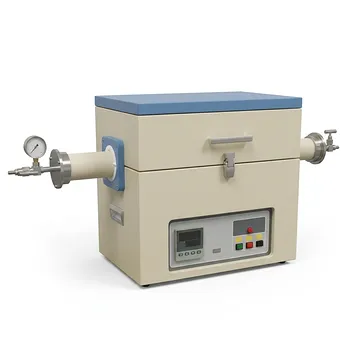
1250C Split Tube Furnace with 3 Inch Mullite Tube and Vacuum Sealing Flanges for Precision Thermal Processing
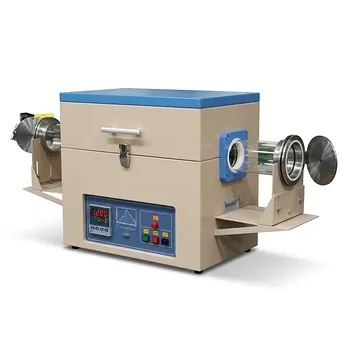
High Temperature 1200C Split Tube Furnace with Hinged Vacuum Flanges and 4 Inch Quartz Tube for Laboratory Research
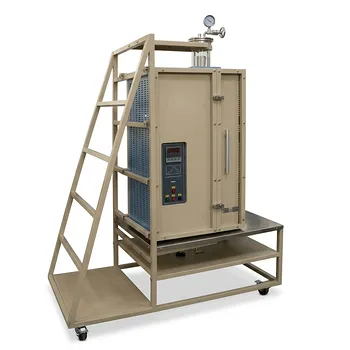
Split Vertical Tube Furnace with 1200C Quartz Tube and Stainless Steel Vacuum Flanges for Rapid Thermal Processing
1500°C Split Tube Furnace with Alumina Tube and Vacuum Sealing Flanges for Material Research
24 Inch Three Zone Split Tube Furnace with Optional Quartz Tube and Vacuum Flange System for High Temperature Material Synthesis
High Temperature 1200C Split Tube Furnace with Optional Quartz Tube Sizes and Vacuum Sealing Flanges for Material Science Research
1200°C 10-Zone Split Tube Furnace with Horizontal and Vertical Mounting for Multi-Zone Thermal Gradients and Large Diameter Material Processing
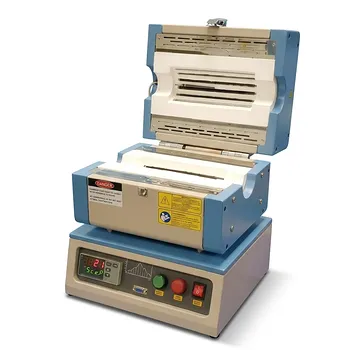
1250C Compact Split Tube Furnace with 8 Inch Heating Zone and Programmable Controller
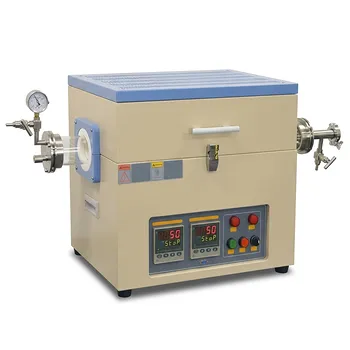
1200C Dual Zone Split Tube Furnace with Fused Quartz Tube and Vacuum Flanges Available in 60mm 80mm and 100mm Diameters
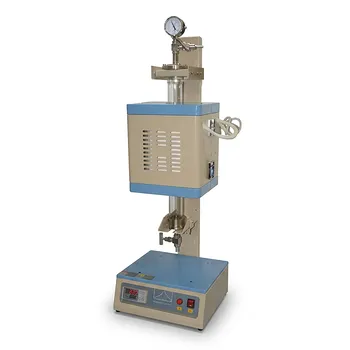
Compact Vertical Split Quartz Tube Furnace with Stainless Steel Vacuum Flanges for Rapid Thermal Quenching and Controlled Atmosphere Material Processing
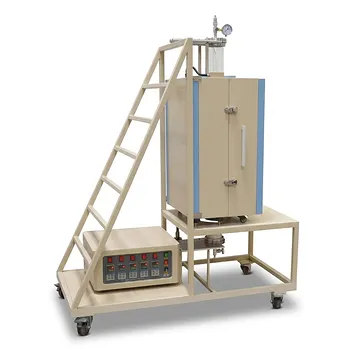
Five Zone Split Vertical Tube Furnace 1200C Max with 4 Inch Quartz Tube and Stainless Steel Vacuum Flanges
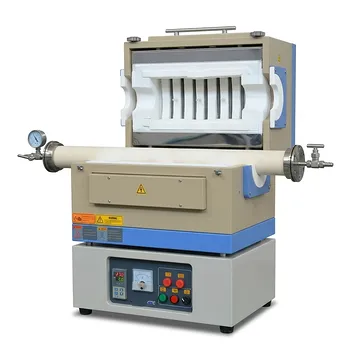
High Temperature 1600C Split Tube Furnace Vacuum Flanges Valves Optional 60mm 80mm Alumina Tube

High Temperature 1700C Six Zone Split Tube Furnace with Alumina Tube and Water Cooled Flanges
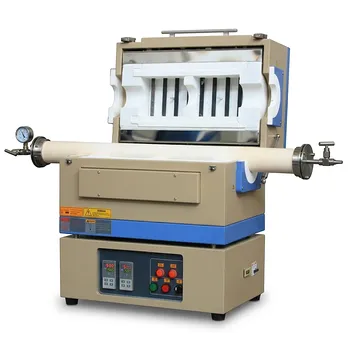
1500C Two Zone Split Tube Furnace with Vacuum Flange and 80mm Alumina Tube
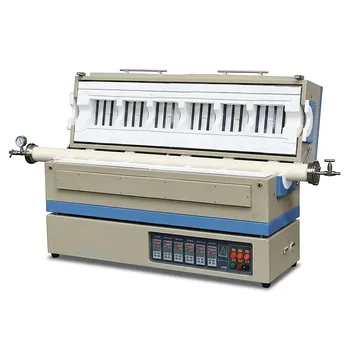
Six Zone Split Tube Furnace with Alumina Tube and Vacuum Flanges for 1500C High Temperature Thermal Processing and CVD
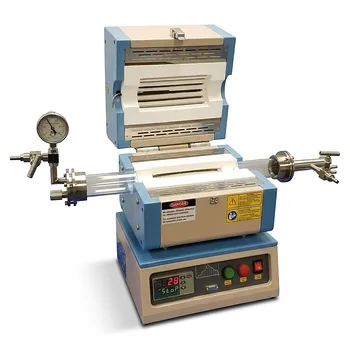
Compact Split Tube Furnace with Integrated Vacuum System and Precision Temperature Calibrator
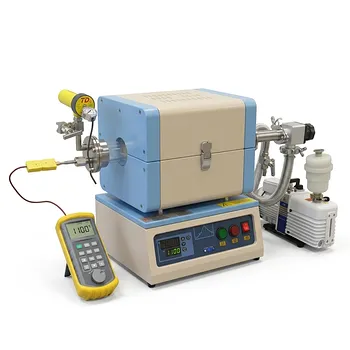
Compact Split Tube Furnace with Insertable Temperature Calibrator and Integrated Vacuum System
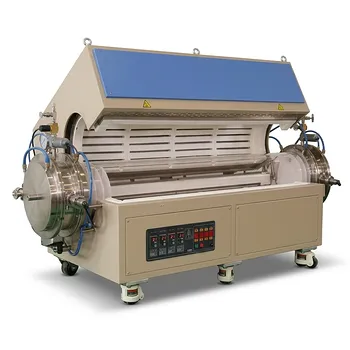
1200C Max Four Zone Split Tube Furnace with Optional Large Diameter Quartz Tubes
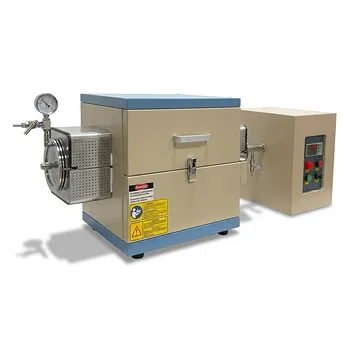
1200C High Temperature 5 Inch Split Vacuum Tube Furnace with 12 Inch Heating Zone and Separated PID Controller