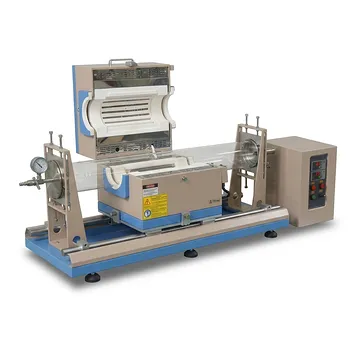
What is the function of a high-precision tube furnace in carbonizing waste polyester? Essential for Quality Porous Carbon
Updated 3 months ago
The high-precision tube furnace is the critical thermal reactor that transforms waste polyester fibers into a stable carbonaceous framework. By maintaining a constant 900°C environment and a precise nitrogen flow of 50 mL/min, it facilitates controlled pyrolysis while preventing the material from simply burning away in the presence of oxygen.
Core Takeaway: The tube furnace provides the oxygen-free, high-temperature environment necessary to strip volatile components from polyester fibers, leaving behind a structurally sound carbon skeleton that serves as the essential foundation for subsequent activation and pore development.
The Essential Role of Atmospheric Control
Prevention of Oxidative Combustion
A high-precision tube furnace creates a strictly oxygen-deficient environment through a stable nitrogen protective atmosphere. Without this precise control, the organic polyester fibers would undergo complete combustion into ash rather than carbonizing into a usable solid framework.
Regulation of Gas Flow and Sealing
Superior sealing and a consistent nitrogen flow (specifically 50 mL/min) ensure that the byproduct gases from decomposition are effectively swept away. This prevents secondary reactions between the volatiles and the solid carbon, which could otherwise clog potential pore sites or contaminate the sample.
Precision Thermal Processing and Structural Integrity
Facilitating Complete Pyrolysis
The furnace provides the intense 900°C heat required to break down the complex polymer chains of waste polyester. This process, known as pyrolysis, removes oxygen, hydrogen, and other volatile elements, concentrating the remaining carbon into a preliminary skeleton.
Uniformity of the Temperature Field
High-precision furnaces ensure that the entire sample is heated evenly, preventing "hot spots" that could cause localized structural collapse. This temperature field uniformity is vital for ensuring the resulting carbon fiber skeleton maintains a high aspect ratio and consistent physical properties.
Rearrangement of Carbon Structures
Beyond just removing non-carbon elements, the high-temperature environment encourages the rearrangement of carbon atoms into a more stable structure. This thermal treatment establishes the conductive foundation of the material, which is critical if the final porous carbon is intended for electromagnetic or electrochemical applications.
Understanding the Trade-offs and Pitfalls
The Impact of Heating Rates
While the final temperature is critical, the speed at which the furnace reaches 900°C—the heating rate—is equally important. If the temperature rises too quickly, the rapid release of volatile gases can physically rupture the carbon skeleton, leading to poor mechanical strength and low surface area.
Sealing Vulnerabilities
The integrity of the tube furnace seals is a common point of failure. Even minute oxygen leaks at 900°C can result in partial oxidation of the carbon, significantly reducing the final yield and compromising the purity of the porous carbon.
Making the Right Choice for Your Goal
How to Apply This to Your Project
To achieve the best results when carbonizing waste polyester, your approach to using the tube furnace should vary based on your target outcome:
- If your primary focus is High Surface Area: Prioritize a steady gas flow to ensure all volatile organic components are completely removed before the activation stage begins.
- If your primary focus is Electrical Conductivity: Ensure the furnace maintains a stable temperature at the higher end of the range (900°C-1000°C) to promote the growth of graphitic carbon structures.
- If your primary focus is High Material Yield: Use a slower heating rate (e.g., 5°C/min) to allow for a gentle release of volatiles without over-etching the carbon framework.
Precise control over the thermal and atmospheric parameters of the tube furnace is the single most important factor in determining the structural quality of the resulting porous carbon.
Summary Table:
| Stage/Function | Key Parameters | Impact on Resulting Carbon |
|---|---|---|
| Atmospheric Control | Nitrogen flow (50 mL/min) | Prevents oxidative combustion; preserves the carbon skeleton. |
| Thermal Pyrolysis | 900°C High Temperature | Removes volatile components and concentrates the carbon structure. |
| Temperature Uniformity | Even Heat Distribution | Prevents structural collapse; ensures consistent physical properties. |
| Heating Rate Control | Optimized Rate (e.g., 5°C/min) | Prevents mechanical rupture and ensures high surface area. |
Elevate Your Material Research with THERMUNITS Precision
Achieving the perfect carbon framework requires unmatched thermal stability and atmospheric control. THERMUNITS is a leading manufacturer of high-temperature laboratory equipment specifically designed for material science and industrial R&D.
Our comprehensive range of thermal processing solutions—including Tube furnaces, Vacuum and Atmosphere furnaces, CVD/PECVD systems, and Rotary Kilns—provides the reliability needed for complex processes like pyrolysis, carbonization, and activation.
Why choose THERMUNITS for your lab?
- Superior Precision: Maintain strict 900°C+ environments with uniform temperature fields.
- Advanced Control: Precise gas flow and vacuum sealing to prevent oxidation.
- Tailored Solutions: Equipment optimized for waste-to-energy and porous carbon research.
Ready to optimize your heat treatment results? Contact our technical experts today to find the ideal furnace for your specific application.
References
- Gang Wang, Zhengping Hao. Nitrogen regulation in polyester-based carbons and adsorption of gaseous benzene and ethyl acetate. DOI: 10.1039/d4ra07004f
Mentioned Products
- 1200C High Throughput Multi Channel Tube Furnace with 50mm Quartz Tubes for Annealing and Material Phase Diagram Research
- High Temperature Tube Furnace 1500C with Sliding Flanges and 50mm OD for Rapid Thermal Processing Fast Heating and Cooling
- High Temperature 1700C Benchtop Tube Furnace with 5 Inch Heating Zone High Purity Alumina Tube and Vacuum Sealing Flanges
- Compact High Temperature 1600C Tube Furnace with 50mm Alumina Tube and Vacuum Flanges for Material Sintering
- 1100C High Pressure Rocking Tube Furnace with 2 Inch Super Alloy Processing Tube for Material Synthesis
People Also Ask
- Why is high-purity alumina selected for sample trays? Key to High-Throughput Sintering Success
- How does a high-throughput tube furnace achieve precise sulfurization? Expert Control for CoS2–Co(OH)F Nanostructures
- How does the precise temperature control of a tube furnace influence the formation of V2AlC MAX phase? Expert Insights.
- What is the function of argon gas flow within a tube furnace during the selenization of MOFs? Essential Process Guide
- What is the effect of introducing camphor as a carbon source in a tube furnace CVD? Boost CNT Density and Growth

Tech Team · ThermUnits
Last updated on Jun 02, 2026
Related Products
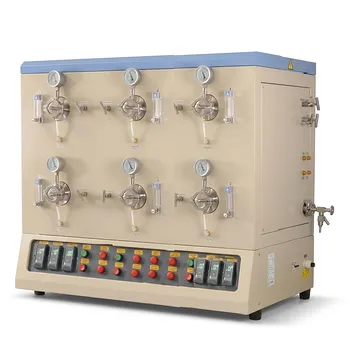
1200C High Throughput Multi Channel Tube Furnace with 50mm Quartz Tubes for Annealing and Material Phase Diagram Research
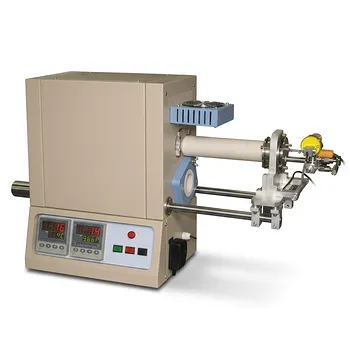
High Temperature Tube Furnace 1500C with Sliding Flanges and 50mm OD for Rapid Thermal Processing Fast Heating and Cooling

High Temperature 1700C Benchtop Tube Furnace with 5 Inch Heating Zone High Purity Alumina Tube and Vacuum Sealing Flanges

Compact High Temperature 1600C Tube Furnace with 50mm Alumina Tube and Vacuum Flanges for Material Sintering
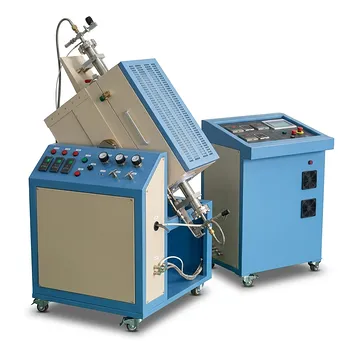
1100C High Pressure Rocking Tube Furnace with 2 Inch Super Alloy Processing Tube for Material Synthesis

High Temperature Automated 5 Inch Tube Furnace for Autonomous Material Research and Advanced Laboratory R&D
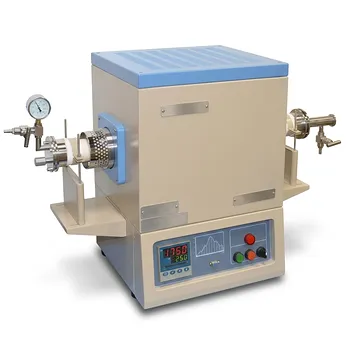
High Temperature Compact Vacuum Tube Furnace 1750C Max 60mm OD Alumina Tube

High Temperature 1700C Tube Furnace with High Vacuum Turbomolecular Pump System and Multi Channel Mass Flow Controller Gas Mixer

High Temperature 1700C Vertical Tube Furnace for Powder Spherification and Material Sintering
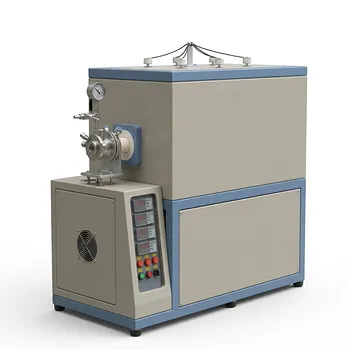
High Temperature 1700C Three Zone Tube Furnace with Alumina Tube 50mm 60mm 80mm OD for Material Research and Industrial Heat Treatment
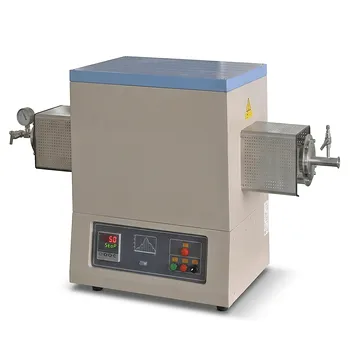
High Temperature 1700C Tube Furnace with 4 Inch OD Alumina Tube and Vacuum Sealing Flanges
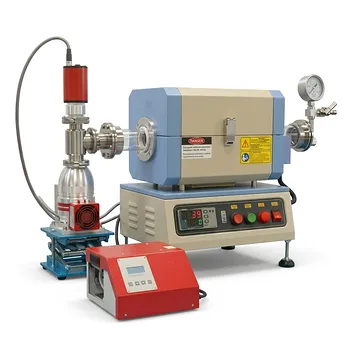
High Vacuum Compact Tube Furnace 1200C with Integrated Turbo Pump System and 8 Inch Heating Zone

1800C High Temperature Compact Vacuum Tube Furnace with 60mm OD Alumina Tube and Kanthal MoSi2 Heating Elements
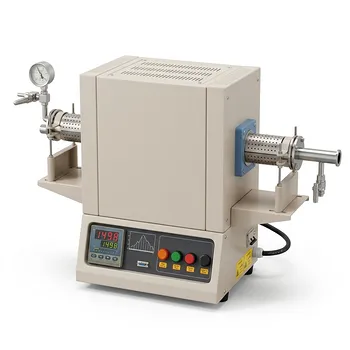
1500C High Temperature Compact Tube Furnace 2 Inch OD with Vacuum Flanges and Complete Accessories
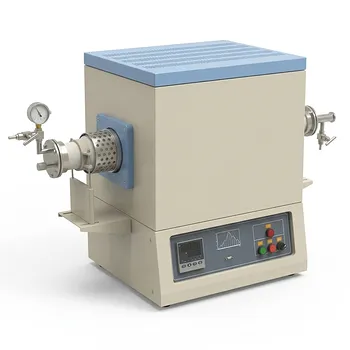
1750°C High Temperature Benchtop Vacuum Atmosphere Tube Furnace with Kanthal Super 1800 Heating Elements and 60mm Alumina Processing Tube

High Temperature 1700C Six Zone Split Tube Furnace with Alumina Tube and Water Cooled Flanges
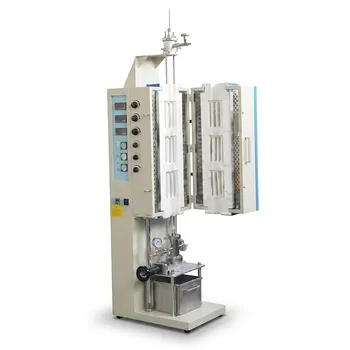
High Temperature Dual Zone Tube Furnace for Material Science Research and Professional Thermal Processing
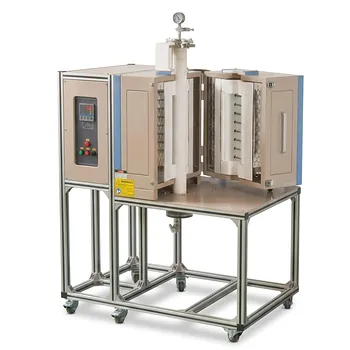
High Temperature 1700C Vertical Split Tube Furnace for Material Quenching and Single Crystal Growth
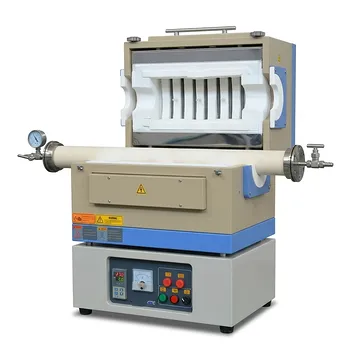
High Temperature 1600C Split Tube Furnace Vacuum Flanges Valves Optional 60mm 80mm Alumina Tube