What is the function of a high-temperature atmosphere tube furnace in the preparation of reduced graphene oxide? Guide
Updated 3 months ago
The primary function of a high-temperature atmosphere tube furnace in the preparation of reduced graphene oxide (rGO) is to provide a strictly controlled, oxygen-free environment for the thermal deoxygenation and physical exfoliation of graphene oxide. By applying precise thermal energy—ranging from 180°C to over 1050°C—under an inert gas shield like nitrogen or argon, the furnace triggers the decomposition of oxygen-containing functional groups, restoring the material's electrical conductivity and increasing its specific surface area through rapid gas expansion.
A tube furnace acts as a precision reactor that balances high-intensity thermal shock with chemical isolation. It enables the transition of graphene oxide from an electrical insulator to a highly conductive, stable carbon network by removing oxygen while preventing the carbon lattice from undergoing oxidative combustion.
The Mechanism of Thermal Reduction and Deoxygenation
Removal of Oxygen-Containing Functional Groups
A high-temperature tube furnace provides the thermal energy necessary to break the chemical bonds of hydroxyl, epoxy, and carboxyl groups attached to the graphene oxide (GO) layers. As these groups decompose, they are released as gases, effectively "reducing" the material back toward a pure carbon structure.
Restoration of Electrical Conductivity
The removal of oxygen atoms allows the carbon atoms to re-hybridize into a conjugated $\pi$-electron system. This transformation shifts the material from an electrical insulator into a conductive rGO network suitable for applications like strain sensors and energy storage.
Precision Temperature Profiling
The furnace allows for specific temperature "ramps" or "shocks," such as a rapid 1050°C treatment. This precision ensures that deoxygenation occurs at the optimal rate to achieve the desired chemical stability without destroying the carbon lattice.
The Role of Atmosphere Control and Physical Exfoliation
Prevention of Oxidative Combustion
Without the inert gas environment (typically Nitrogen or Argon) provided by the tube furnace, the graphene layers would catch fire and turn into ash at high temperatures. The furnace isolates the material from oxygen, ensuring that thermal energy only removes functional groups rather than consuming the carbon structure.
Interlayer Expansion and Physical Exfoliation
During high-temperature "thermal shock" (e.g., 900°C–1050°C), the rapid decomposition of oxygen groups generates immense internal pressure from trapped CO2 and CO gases. This pressure overcomes the van der Waals forces between layers, causing the material to expand and exfoliate into few-layered reduced graphene oxide.
Creating Abundant Surface Defects
The intense thermal treatment within the furnace creates controlled defects and micropores within the rGO structure. These defects are often desirable, as they increase the specific surface area and provide active sites for chemical reactions or ion storage.
Advanced Modifications and Heteroatom Doping
Facilitating Chemical Vapor Deposition (CVD)
Some tube furnaces are equipped for CVD, providing a vacuum environment and precise gas flow regulation for hydrogen and methane. This allows for the uniform growth of high-quality graphene precursors on substrates like copper foil.
Integration of Heteroatoms into the Lattice
The stable high-temperature environment (e.g., 900°C) is essential for doping the graphene lattice with elements like nitrogen, phosphorus, or boron. The furnace provides the necessary thermal energy for bond reorganization, allowing these atoms to replace carbon atoms within the crystal structure.
Surface Modification and SEI Optimization
By adjusting the gas composition (introducing trace oxygen or inert gases) at specific temperatures, the furnace can modify the surface chemistry of the carbon. This is critical for regulating the solid electrolyte interphase (SEI) film in battery applications.
Understanding the Trade-offs and Pitfalls
Structural Integrity vs. Deoxygenation
Higher temperatures (above 1000°C) provide the best deoxygenation and conductivity but can cause significant structural damage and defects. If your application requires a perfect, defect-free lattice, lower-temperature chemical reduction may be preferable to high-heat thermal shock.
Throughput and Scalability
Tube furnaces are excellent for precision and high-purity small-to-medium batches but can be a bottleneck in mass production. The "batch" nature of most tube furnaces means that maintaining consistency across very large volumes of material requires rigorous process control.
Gas Purity Risks
The quality of the rGO is highly dependent on the purity of the inert gas and the seal of the tube. Even minor oxygen leaks at 900°C can cause significant material loss through oxidation, leading to inconsistent conductivity readings.
How to Apply This to Your Project
Selecting the Right Parameters
- If your primary focus is maximum conductivity: Utilize the highest possible temperature (e.g., 1050°C) with an Argon atmosphere to ensure near-complete removal of oxygen groups.
- If your primary focus is high specific surface area: Use a rapid "thermal shock" method to maximize gas expansion and interlayer exfoliation.
- If your primary focus is electronic sensing: Aim for lower temperatures (180°C–350°C) to maintain a specific balance of functional groups for tailored sensitivity.
- If your primary focus is energy storage: Prioritize heteroatom doping (N or B) at 900°C under a Nitrogen atmosphere to enhance electrochemical activity.
By mastering the balance between thermal intensity and atmospheric purity, you can precisely tune the electrical and physical properties of reduced graphene oxide for any technical application.
Summary Table:
| Process Step | Furnace Function | Desired Outcome |
|---|---|---|
| Deoxygenation | Precise Heating (180°C - 1050°C) | Removes oxygen groups; restores conductivity |
| Atmosphere Control | Inert Gas Shielding (Ar/N2) | Prevents oxidative combustion of carbon |
| Thermal Shock | Rapid Temperature Ramping | Interlayer expansion & physical exfoliation |
| Lattice Doping | High-Temp Bond Reorganization | Integration of N, P, or B for enhanced activity |
| Surface Tuning | Gas Flow & Vacuum Regulation | Optimized SEI film and surface area |
Elevate Your Graphene Research with THERMUNITS
Precision is critical when transforming graphene oxide into high-performance rGO. THERMUNITS is a leading manufacturer of high-temperature laboratory equipment, providing the material science and industrial R&D sectors with the tools needed for breakthrough results.
Our advanced Atmosphere Tube Furnaces and CVD/PECVD systems offer the strict atmosphere control and thermal precision required for superior deoxygenation and exfoliation. Beyond tube furnaces, we offer a comprehensive range of thermal solutions, including:
- Muffle, Vacuum, and Atmosphere Furnaces
- Rotary and Hot Press Furnaces
- Vacuum Induction Melting (VIM) & Dental Furnaces
- High-Quality Thermal Elements
Ready to optimize your heat treatment workflow? Contact us today to discuss your specific application and discover how our equipment can enhance your lab's efficiency.
References
- Lanhao Wang, Chuanxiang Zhang. Coal-based graphene derived from different coal ranks: exceptional sodium storage performance in sodium-ion batteries. DOI: 10.1039/d4ra05104a
Mentioned Products
- 1750°C High Temperature Benchtop Vacuum Atmosphere Tube Furnace with Kanthal Super 1800 Heating Elements and 60mm Alumina Processing Tube
- High Temperature 1200C Split Tube Furnace for CVD Research and Vacuum Atmosphere Heat Treatment
- High Temperature Split Tube Furnace 1500C for Material Research Vacuum and Atmosphere Thermal Processing
- High Temperature Vertical Atmosphere Controlled Furnace with Automatic Bottom Loading and 1700°C Capacity for Advanced Material Research
- 1700C High Temperature Alumina Tube Furnace with 18 Inch Heated Zone and Vacuum Sealing Flanges
People Also Ask
- What core functions does a high-temperature vacuum tube furnace provide? Optimize np-CuSn Sintering & Joint Integrity
- What is the role of a high-temperature tube furnace in the calcination process of ZnO/In2O3 nanocomposites?
- What role does a high-temperature tube furnace play in the sulfidation heat treatment of CoS@C/MXene nanocomposites? Guide
- Why is a high-temperature tube furnace required for CuAlO2 heat treatment? Master Phase Transformation Today
- What role does a high-temperature tube furnace play in executing nitrogen absorption kinetic experiments? Expert Insights

Tech Team · ThermUnits
Last updated on Jun 02, 2026
Related Products

1750°C High Temperature Benchtop Vacuum Atmosphere Tube Furnace with Kanthal Super 1800 Heating Elements and 60mm Alumina Processing Tube
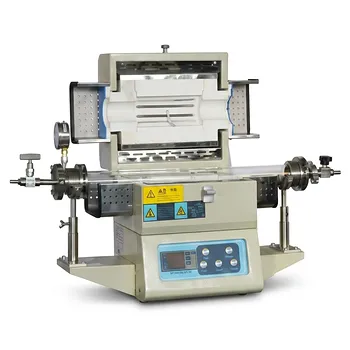
High Temperature 1200C Split Tube Furnace for CVD Research and Vacuum Atmosphere Heat Treatment
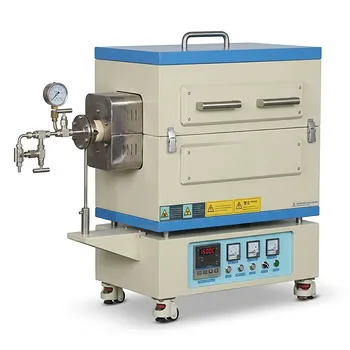
High Temperature Split Tube Furnace 1500C for Material Research Vacuum and Atmosphere Thermal Processing
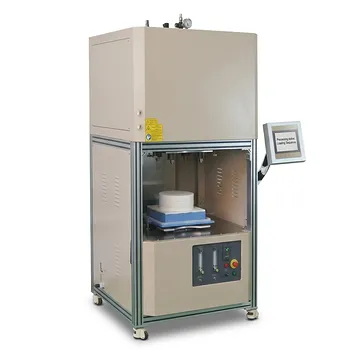
High Temperature Vertical Atmosphere Controlled Furnace with Automatic Bottom Loading and 1700°C Capacity for Advanced Material Research
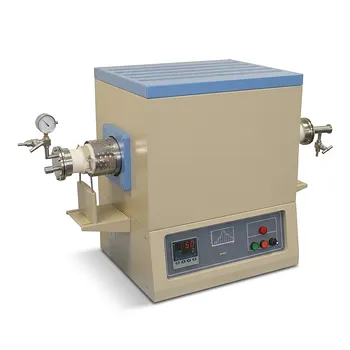
1700C High Temperature Alumina Tube Furnace with 18 Inch Heated Zone and Vacuum Sealing Flanges
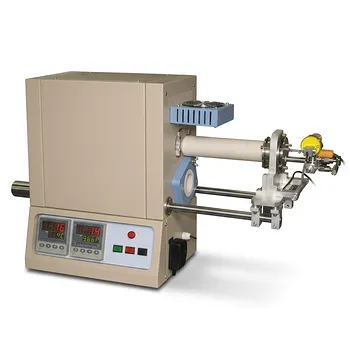
High Temperature Tube Furnace 1500C with Sliding Flanges and 50mm OD for Rapid Thermal Processing Fast Heating and Cooling

High Temperature 1700C Tube Furnace with High Vacuum Turbomolecular Pump System and Multi Channel Mass Flow Controller Gas Mixer
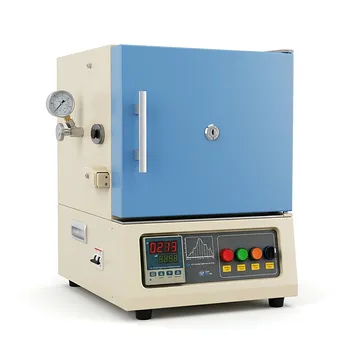
1200C Hybrid Muffle and Tube Furnace for Material Research with Dual Atmosphere Control Quartz Tubes
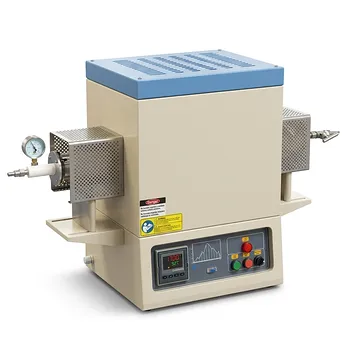
High Temperature Three Zone Tube Furnace 1700C with Alumina Tube and Water Cooled Flanges

Vertical 1700C Vacuum and Atmosphere Tube Furnace with 80mm Alumina Tube
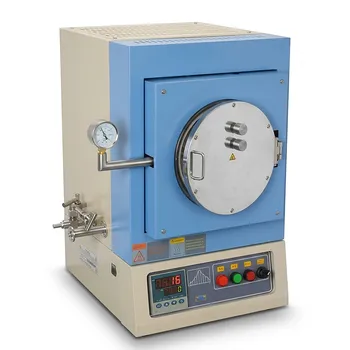
1100°C High Temperature Quartz Chamber Furnace 8 Inch OD with 7.6 Liter Capacity and Vacuum Atmosphere Capability

Compact High Temperature 1600C Tube Furnace with 50mm Alumina Tube and Vacuum Flanges for Material Sintering

High Temperature 1700C Benchtop Tube Furnace with 5 Inch Heating Zone High Purity Alumina Tube and Vacuum Sealing Flanges

1800C High Temperature Compact Vacuum Tube Furnace with 60mm OD Alumina Tube and Kanthal MoSi2 Heating Elements
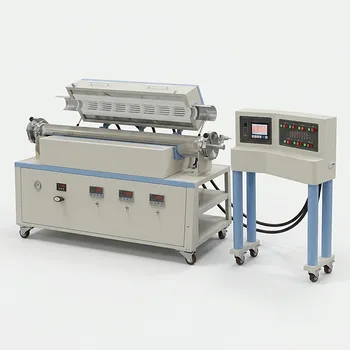
1100C Eight Zone High Pressure Super Alloy Tube Furnace with Integrated High Pressure Gas Control System

High Temperature 1700C Vertical Tube Furnace for Powder Spherification and Material Sintering
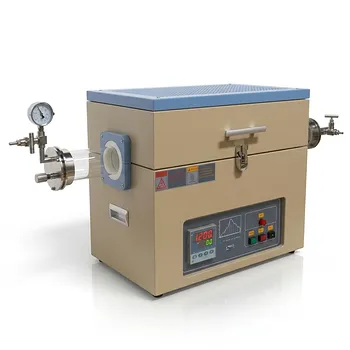
High Temperature 1200C Split Tube Furnace with Optional Quartz Tube Sizes and Vacuum Sealing Flanges for Material Science Research
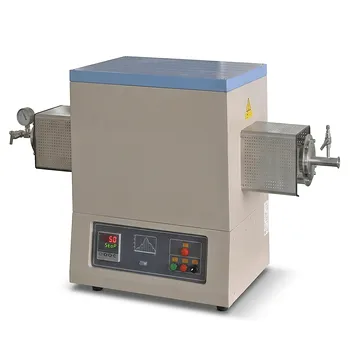
High Temperature 1700C Tube Furnace with 4 Inch OD Alumina Tube and Vacuum Sealing Flanges
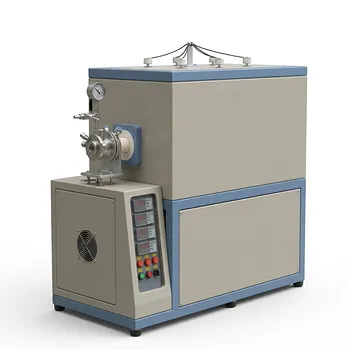
High Temperature 1700C Three Zone Tube Furnace with Alumina Tube 50mm 60mm 80mm OD for Material Research and Industrial Heat Treatment
