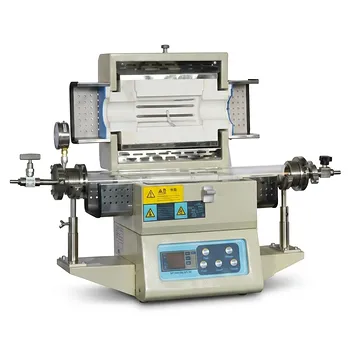
What is the function of a high vacuum tube furnace in the pyrolysis processing of low-rank coal? Precision Research
Updated 6 months ago
The high vacuum tube furnace serves as the foundational thermal reactor for coal pyrolysis. It provides a precisely controlled, oxygen-free environment that subjects low-rank coal to specific temperature profiles, breaking chemical bonds to facilitate the transition from raw coal to semi-coke (char). This equipment is essential for analyzing the structural evolution of coal and the formation of small molecular substances.
The core function of a high vacuum tube furnace is to provide a stable, anaerobic thermochemical platform that isolates heat as a single variable. By maintaining high-precision temperature control and an inert atmosphere, it allows researchers to benchmark coal molecular breakdown and ensure the consistency of the resulting carbon structures.
Precision Thermal Management and Bond Dissociation
Inducing Controlled Chemical Bond Breakage
The furnace provides a high-temperature environment, typically around 700°C to 900°C, necessary to trigger the pyrolysis of low-rank coal. This heat energy induces the breakage of chemical bonds within complex coal molecules, facilitating their conversion into semi-coke and small molecular substances.
High-Accuracy Temperature Stabilization
Advanced tube furnaces offer a stable reaction zone with precision as high as ±1°C. This level of accuracy is critical for "long-term constant temperature treatment," ensuring that the structural evolution of the coal is a result of consistent thermal exposure rather than temperature fluctuations.
Programmable Heating Curves
Researchers can define specific heating rates, such as 10°C/min, to simulate various industrial or geological conditions. This programmed control allows for the study of the transition from organic polymers to inorganic carbon networks or ceramic phases with high repeatability.
Atmospheric Control and Product Quality
Elimination of Oxygen Interference
By utilizing a high vacuum or purging the sealed tube with inert gases like Argon or Nitrogen, the furnace creates an anaerobic environment. This isolation of oxygen is vital to prevent the combustion of coal samples, ensuring that the resulting tar and char reflect their original structural characteristics.
Suppression of Secondary Reactions
The controlled environment of a tube furnace—often a reducing atmosphere—helps in suppressing the secondary cracking of tar. This allows for the collection of higher-quality liquid products and provides a more accurate representation of the coal’s primary volatile output.
Facilitating Microstructural Consistency
Uniformity within the temperature field ensures that the resulting product has a consistent microstructure. Whether forming a stable carbon skeleton or an amorphous ceramic network, the furnace's sealed environment prevents contamination and ensures uniform carbon phase segregation.
Establishing Experimental Benchmarks
Serving as a Comparative Control Group
The tube furnace often serves as the "gold standard" or control group for evaluating more experimental methods, such as microwave pyrolysis. By comparing data against the standard thermal effects of a tube furnace, researchers can quantify the specific kinetic advantages of new technologies.
Baseline Devolatilization Data
Because the furnace relies on stable heat conduction, it provides a predictable baseline for the devolatilization reaction. This allows for the atomic-level study of how active metal atoms or nitrogen doping agents disperse across a carbon substrate during the pyrolysis process.
Understanding the Trade-offs
Heating Rate and Heat Transfer
While tube furnaces provide exceptional stability, they rely on heat conduction, which is inherently slower than microwave or plasma-induced heating. This can lead to longer processing times and may not capture the rapid kinetic effects seen in newer, more targeted heating methods.
Scale and Throughput Constraints
High vacuum tube furnaces are primarily laboratory-scale instruments designed for precision and analysis. Their batch-processing nature and limited tube volume mean they are not intended for large-scale industrial coal processing, but rather for defining the parameters that those industrial systems will eventually use.
Optimizing Your Pyrolysis Strategy
How to Apply This to Your Project
- If your primary focus is structural evolution analysis: Utilize the furnace for long-term constant temperature treatments to observe how specific molecular bonds break at precise thermal thresholds.
- If your primary focus is comparative benchmarking: Use the tube furnace as a control group to isolate pure thermal effects from the kinetic or catalytic effects of alternative pyrolysis methods.
- If your primary focus is high-purity carbon synthesis: Leverage the high vacuum and inert gas purging capabilities to ensure an oxygen-free environment that prevents sample oxidation and preserves original coal structures.
By mastering the precise thermal and atmospheric variables of a high vacuum tube furnace, you can transform low-rank coal into highly characterized and valuable carbon materials.
Summary Table:
| Key Function | Technical Impact on Pyrolysis | Strategic Research Benefit |
|---|---|---|
| Precision Heat Management | Facilitates bond breakage at 700°C–900°C | Enables stable molecular breakdown analysis |
| Anaerobic Control | High vacuum or inert gas (Ar/N2) purging | Prevents coal oxidation and sample combustion |
| Atmospheric Isolation | Suppresses secondary cracking of tar | Ensures high-purity liquid and solid products |
| Programmable Curves | High-accuracy heating (±1°C precision) | Provides repeatable benchmarks for kinetic data |
| Uniform Thermal Field | Consistent heat transfer to coal samples | Guarantees uniform carbon phase segregation |
Elevate Your Geochemical and Material Research with THERMUNITS
Precise coal pyrolysis and carbon synthesis demand the highest standards in thermal stability and atmospheric purity. THERMUNITS is a premier manufacturer of high-temperature laboratory equipment specifically designed for material science and industrial R&D.
Whether you are analyzing the structural evolution of low-rank coal or synthesizing advanced carbon networks, our comprehensive range of thermal solutions—including Vacuum, Atmosphere, and Tube furnaces, as well as CVD/PECVD systems and Rotary kilns—provides the precision your project deserves.
Ready to optimize your lab’s thermal processing? Contact our engineering team today to discuss how our customizable Muffle, Tube, and Hot Press furnaces can ensure your research benchmarks are world-class.
References
- Yaqi Gao, Siqi Li. Analysis of Structural Heterogeneity in Low-Rank Coal and Its Pyrolyzed Char Using Multi-Point Scanning Micro-Raman Spectroscopy. DOI: 10.3390/molecules29102361
Mentioned Products
- High Temperature 1100C Compact Top Loading Vertical Vacuum Tube Furnace for High Vacuum Noble Metal Melting and Material Research
- Compact High Temperature 1600C Tube Furnace with 50mm Alumina Tube and Vacuum Flanges for Material Sintering
- 1800C High Temperature Compact Vacuum Tube Furnace with 60mm OD Alumina Tube and Kanthal MoSi2 Heating Elements
- 1750°C High Temperature Benchtop Vacuum Atmosphere Tube Furnace with Kanthal Super 1800 Heating Elements and 60mm Alumina Processing Tube
- Vertical Openable Tube Furnace 0-1700c High Temperature Laboratory System for CVD and Vacuum Heat Treatment
People Also Ask
- What core functions does a high-temperature vacuum tube furnace provide? Optimize np-CuSn Sintering & Joint Integrity
- What critical role does the Vacuum High-Temperature Tube Furnace play in Mo2C preparation? Ensure High Phase Purity
- What conditions does a vacuum tube furnace provide for silica densification? Guide to 1300°C & 10^-6 Bar
- What role does a high-temperature vertical tube furnace play in simulating high-carbon ferromanganese slag formation?
- What is the function of a high-temperature vacuum furnace in Ni-Fe-Cu alloy anode preparation for OER performance?

Tech Team · ThermUnits
Last updated on Apr 14, 2026
Related Products
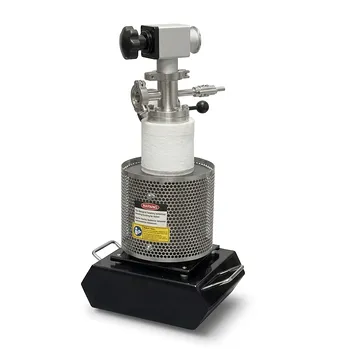
High Temperature 1100C Compact Top Loading Vertical Vacuum Tube Furnace for High Vacuum Noble Metal Melting and Material Research
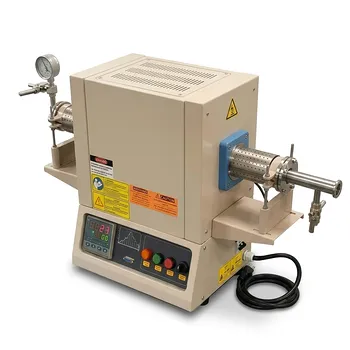
Compact High Temperature 1600C Tube Furnace with 50mm Alumina Tube and Vacuum Flanges for Material Sintering
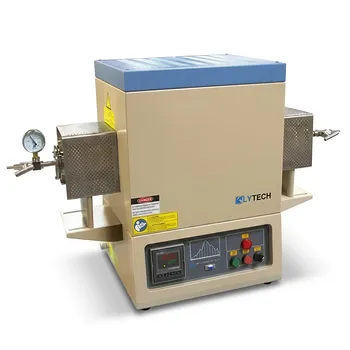
1800C High Temperature Compact Vacuum Tube Furnace with 60mm OD Alumina Tube and Kanthal MoSi2 Heating Elements
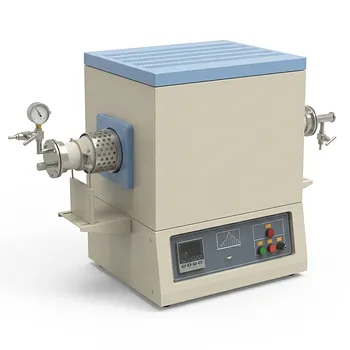
1750°C High Temperature Benchtop Vacuum Atmosphere Tube Furnace with Kanthal Super 1800 Heating Elements and 60mm Alumina Processing Tube
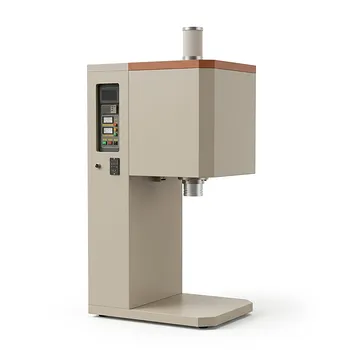
Vertical Openable Tube Furnace 0-1700c High Temperature Laboratory System for CVD and Vacuum Heat Treatment
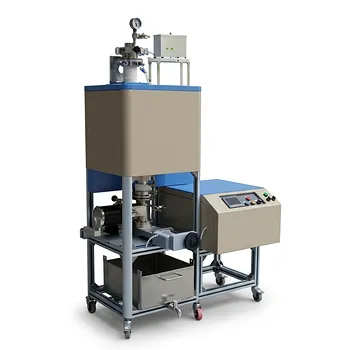
High Temperature 1700C Vertical Tube Furnace for Powder Spherification and Material Sintering
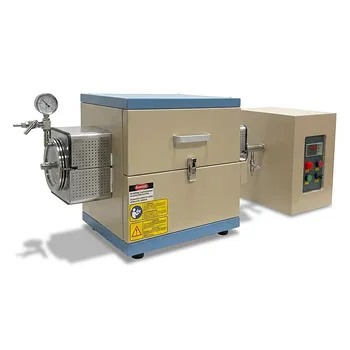
1200C High Temperature 5 Inch Split Vacuum Tube Furnace with 12 Inch Heating Zone and Separated PID Controller
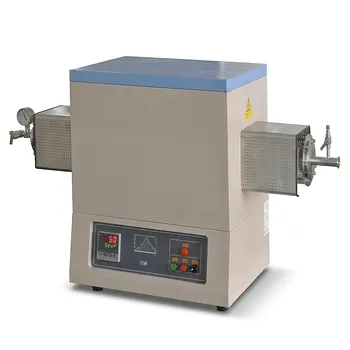
High Temperature 1700C Tube Furnace with 4 Inch OD Alumina Tube and Vacuum Sealing Flanges
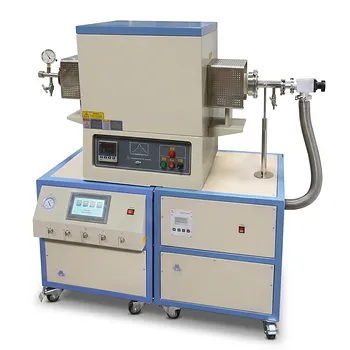
High Temperature 1700C Tube Furnace with High Vacuum Turbomolecular Pump System and Multi Channel Mass Flow Controller Gas Mixer
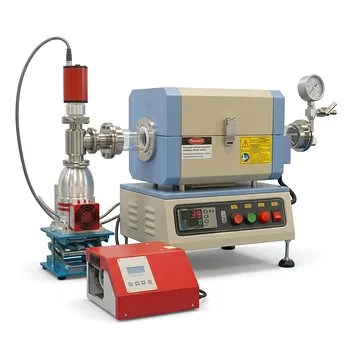
High Vacuum Compact Tube Furnace 1200C with Integrated Turbo Pump System and 8 Inch Heating Zone
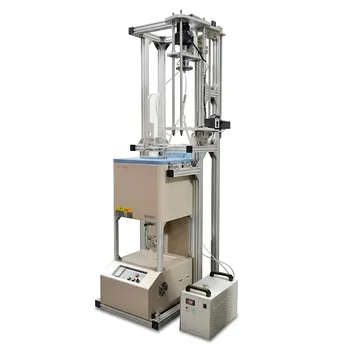
500C Vacuum Vertical Tube Furnace 84mm OD Sample Rotation Lifting System
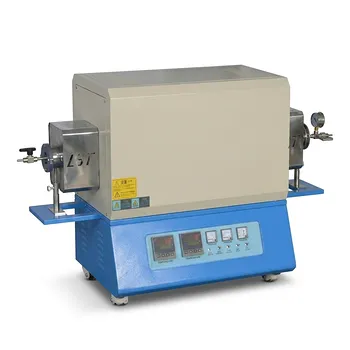
High Temperature Dual Zone Vacuum Tube Furnace for Material Research and CVD Processing
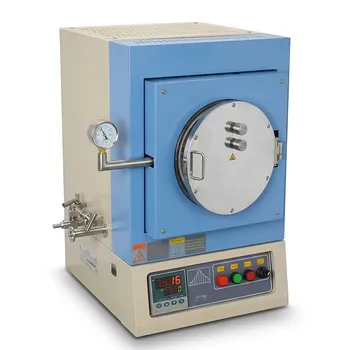
1100°C High Temperature Quartz Chamber Furnace 8 Inch OD with 7.6 Liter Capacity and Vacuum Atmosphere Capability
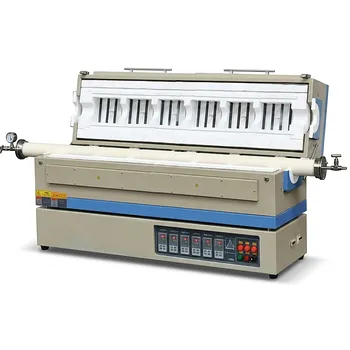
High Temperature 1700C Six Zone Split Tube Furnace with Alumina Tube and Water Cooled Flanges
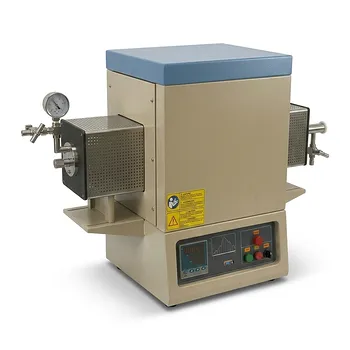
High Temperature 1700C Benchtop Tube Furnace with 5 Inch Heating Zone High Purity Alumina Tube and Vacuum Sealing Flanges
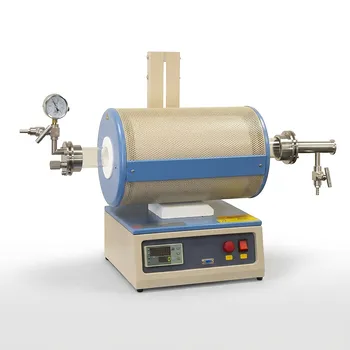
1100C Tube Furnace with Vacuum Flange and Programmable Temperature Controller for Material Science and Industrial Heat Treatment
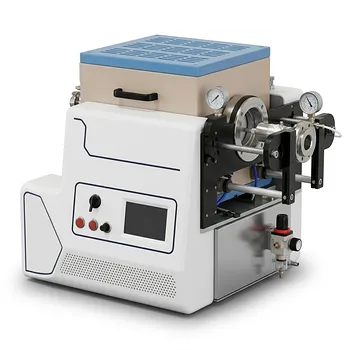
High Temperature Automated 5 Inch Tube Furnace for Autonomous Material Research and Advanced Laboratory R&D
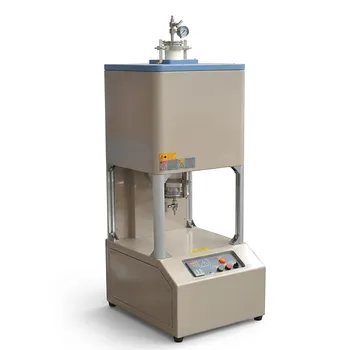
Vertical 1700C Vacuum and Atmosphere Tube Furnace with 80mm Alumina Tube
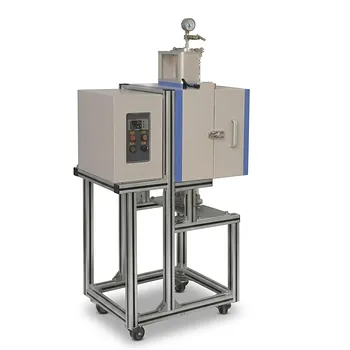
1200°C 5 Inch Vertical Quartz Tube Furnace with Stainless Steel Vacuum Flanges