What is the primary function of a high-precision tube furnace in the preparation of 2D multi-element TMDs? Expert Guide
Updated 6 months ago
A high-precision tube furnace is the indispensable engine for the synthesis of 2D multi-element transition metal dichalcogenides (TMDs). Its primary function is to provide a precisely controlled thermal environment and a stable atmosphere required for the thermal decomposition or chemical reaction of precursors. By maintaining exact temperature windows and gas flow rates, it enables the growth of large-area, high-crystallinity films with specific chemical compositions.
The tube furnace serves as the central reactor where precursors undergo controlled chemical transformation into high-quality 2D crystals. Its ability to regulate heat and atmosphere allows researchers to dictate the crystallinity, stoichiometry, and morphology of materials ranging from binary Mo-S to complex ternary Ni-Mo-S chalcogenides.
The Role of Precision in Precursor Transformation
Regulating Thermal Decomposition
The furnace provides the specific thermal energy required to break down single-source precursors or activate multiple chemical reagents. For many multi-element TMDs, this occurs in a precise window, often between 400 and 600 °C, where the precursor thin film transforms into a stable crystal lattice.
Managing the Reaction Atmosphere
Maintaining a stable, high-purity inert gas flow (such as Argon) is critical for preventing unwanted oxidation of transition metals. The furnace acts as a sealed environment, often operating at low pressures like 1.5 torr, to ensure that chemical vapors interact uniformly with the substrate.
Driving Reductive Sulfurization and Selenization
In many setups, the furnace is used to facilitate the reaction between metal oxides and chalcogen vapors (sulfur or selenium). By utilizing programmable heating curves, the equipment provides the kinetic energy necessary for these elements to bond and form high-quality disulfide or diselenide nanosheets.
Influencing Crystal Growth and Morphology
Kinetic Control via Temperature Curves
The furnace does more than just heat a sample; it controls the rate of crystal growth through exact heating and cooling ramps. This precision is essential for achieving high crystallinity, ensuring that atoms arrange themselves into the desired hexagonal or trigonal prismatic structures without defects.
Stoichiometric Precision in Multi-Element Systems
When preparing ternary systems like Ni-Mo-S, the furnace must maintain a uniform thermal field to ensure that all elements incorporate correctly into the lattice. Precise temperature control prevents the segregation of elements, allowing for the creation of alloy seeds with specific, repeatable stoichiometries.
Utilizing Natural Temperature Gradients
Advanced synthesis techniques leverage the natural temperature gradient found between the center and the outlet of the tube. This gradient allows for diverse condensation environments, which is essential for studying how different phases of TMDs or oxides form at varying temperatures in a single experiment.
Understanding the Trade-offs and Challenges
Spatial Temperature Non-Uniformity
While a furnace may be set to a specific temperature, the actual thermal profile can vary across the length of the tube. This can lead to inconsistent growth if samples are placed outside the "sweet spot" or if the furnace is not properly calibrated for its thermal zones.
Precursor Cross-Contamination
In multi-element synthesis, different precursors may evaporate at different rates, potentially contaminating the quartz tube. Over time, residual material from previous runs can affect the purity and stoichiometry of new 2D films if the furnace is not meticulously maintained.
Gas Flow Dynamics and Turbulence
At high temperatures, gas flow patterns inside the tube can become complex, leading to non-uniform vapor transport. If the carrier gas flow is not perfectly stabilized, it can result in uneven film thickness or localized "islands" of growth rather than a continuous large-area film.
Optimizing Your Synthesis Process
To achieve the best results with a high-precision tube furnace, your operational strategy should align with your specific material goals.
- If your primary focus is large-area uniformity: Prioritize a furnace with a long constant-temperature zone and use low-pressure settings to improve vapor diffusion across the substrate.
- If your primary focus is high crystallinity: Implement slow heating ramps and extended annealing times to allow atoms to reach their most stable lattice positions.
- If your primary focus is complex ternary alloys: Focus on precise precursor placement and utilize dual-zone furnaces to independently control the evaporation rates of different elements.
By mastering the thermal and atmospheric variables within the tube furnace, you can unlock the full potential of multi-element transition metal dichalcogenides for next-generation electronics and catalysis.
Summary Table:
| Key Function | Role in TMD Synthesis | Primary Benefit |
|---|---|---|
| Thermal Regulation | Controls precursor decomposition (400-600°C) | Ensures high-purity phase transformation |
| Atmosphere Control | Manages inert gas flow (e.g., Argon) and vacuum | Prevents oxidation; ensures uniform reaction |
| Kinetic Control | Precise heating/cooling ramps | Achieves high crystallinity and defect-free lattices |
| Stoichiometric Control | Uniform thermal field for multi-element alloys | Prevents element segregation in ternary systems |
| Gradient Management | Utilizes natural temperature variances | Enables multi-phase studies in a single run |
Elevate Your Material Synthesis with THERMUNITS
Precise thermal control is the difference between experimental success and inconsistent results. THERMUNITS is a leading manufacturer of high-temperature laboratory equipment dedicated to supporting material science and industrial R&D.
We offer a comprehensive range of thermal processing solutions designed for high-precision 2D material synthesis, including:
- Advanced Tube & CVD/PECVD Systems for TMD growth.
- Muffle, Vacuum, & Atmosphere Furnaces for diverse heat treatments.
- Specialized Equipment: Rotary furnaces, Hot Press systems, Dental furnaces, and Vacuum Induction Melting (VIM) furnaces.
- Support & Components: High-quality Thermal Elements and laboratory heat treatment accessories.
Ready to achieve superior stoichiometric precision and high crystallinity in your research? Contact our technical experts today to find the perfect thermal solution for your laboratory needs.
References
- Hye Yoon Jeon, Wooseok Song. Wafer‐Scale Atomic Assembly for 2D Multinary Transition Metal Dichalcogenides for Visible and NIR Photodetection. DOI: 10.1002/smll.202312120
Mentioned Products
- 1200C High Throughput Multi Channel Tube Furnace with 50mm Quartz Tubes for Annealing and Material Phase Diagram Research
- High Temperature Tube Furnace 1500C with Sliding Flanges and 50mm OD for Rapid Thermal Processing Fast Heating and Cooling
- High Temperature 1700C Benchtop Tube Furnace with 5 Inch Heating Zone High Purity Alumina Tube and Vacuum Sealing Flanges
- Compact High Temperature 1600C Tube Furnace with 50mm Alumina Tube and Vacuum Flanges for Material Sintering
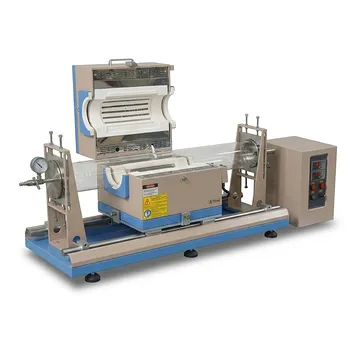
- 1100C High Pressure Rocking Tube Furnace with 2 Inch Super Alloy Processing Tube for Material Synthesis
People Also Ask
- Why is high-purity alumina selected for sample trays? Key to High-Throughput Sintering Success
- How does a high-throughput tube furnace achieve precise sulfurization? Expert Control for CoS2–Co(OH)F Nanostructures
- How does the precise temperature control of a tube furnace influence the formation of V2AlC MAX phase? Expert Insights.
- Why must a tube furnace equipped with a precision flow control system be used? Optimize Pore Structure & N-Doping
- What is the function of argon gas flow within a tube furnace during the selenization of MOFs? Essential Process Guide

Tech Team · ThermUnits
Last updated on Apr 14, 2026
Related Products
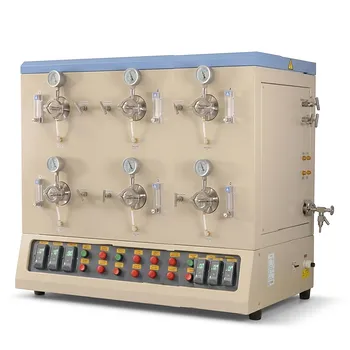
1200C High Throughput Multi Channel Tube Furnace with 50mm Quartz Tubes for Annealing and Material Phase Diagram Research
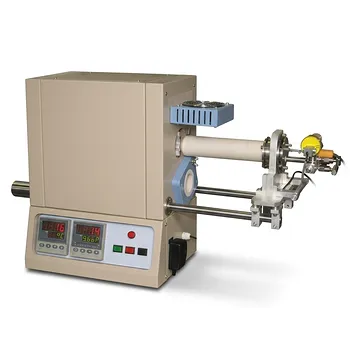
High Temperature Tube Furnace 1500C with Sliding Flanges and 50mm OD for Rapid Thermal Processing Fast Heating and Cooling
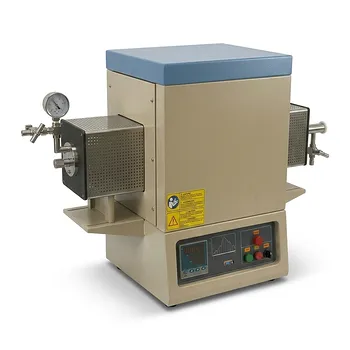
High Temperature 1700C Benchtop Tube Furnace with 5 Inch Heating Zone High Purity Alumina Tube and Vacuum Sealing Flanges
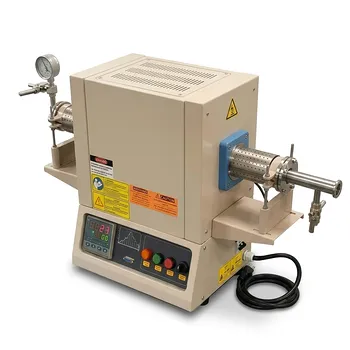
Compact High Temperature 1600C Tube Furnace with 50mm Alumina Tube and Vacuum Flanges for Material Sintering
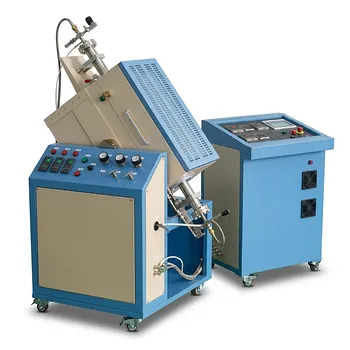
1100C High Pressure Rocking Tube Furnace with 2 Inch Super Alloy Processing Tube for Material Synthesis
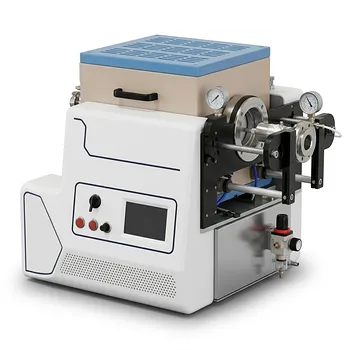
High Temperature Automated 5 Inch Tube Furnace for Autonomous Material Research and Advanced Laboratory R&D
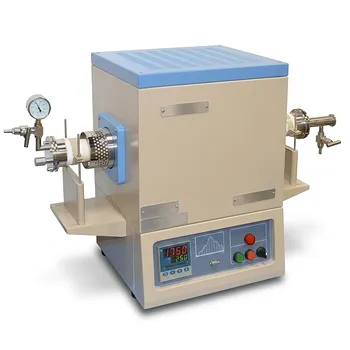
High Temperature Compact Vacuum Tube Furnace 1750C Max 60mm OD Alumina Tube
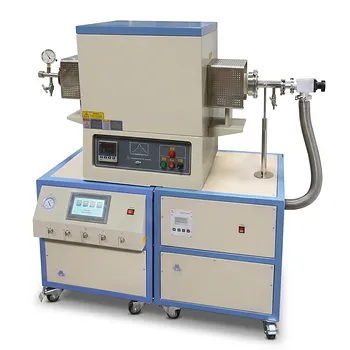
High Temperature 1700C Tube Furnace with High Vacuum Turbomolecular Pump System and Multi Channel Mass Flow Controller Gas Mixer
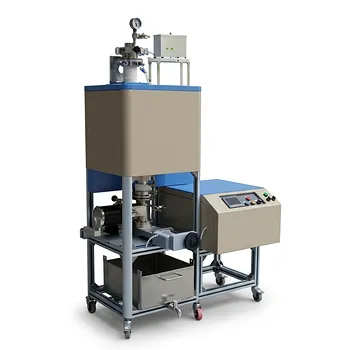
High Temperature 1700C Vertical Tube Furnace for Powder Spherification and Material Sintering
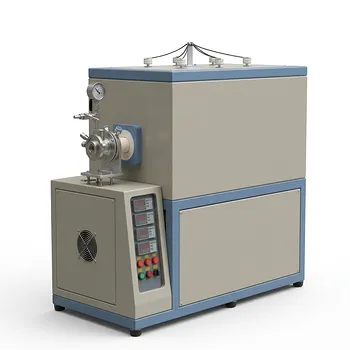
High Temperature 1700C Three Zone Tube Furnace with Alumina Tube 50mm 60mm 80mm OD for Material Research and Industrial Heat Treatment
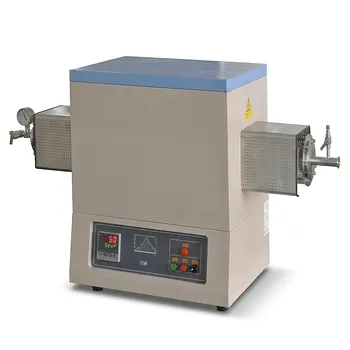
High Temperature 1700C Tube Furnace with 4 Inch OD Alumina Tube and Vacuum Sealing Flanges
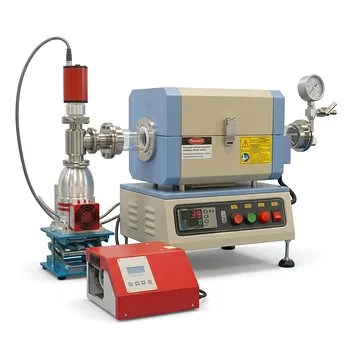
High Vacuum Compact Tube Furnace 1200C with Integrated Turbo Pump System and 8 Inch Heating Zone
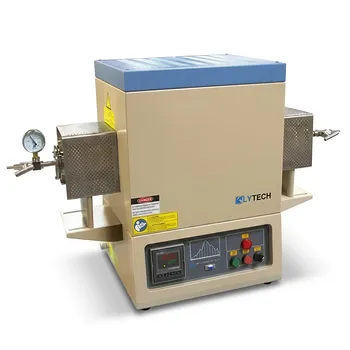
1800C High Temperature Compact Vacuum Tube Furnace with 60mm OD Alumina Tube and Kanthal MoSi2 Heating Elements
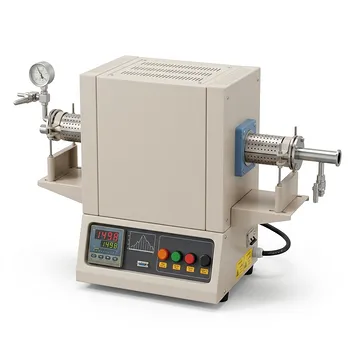
1500C High Temperature Compact Tube Furnace 2 Inch OD with Vacuum Flanges and Complete Accessories
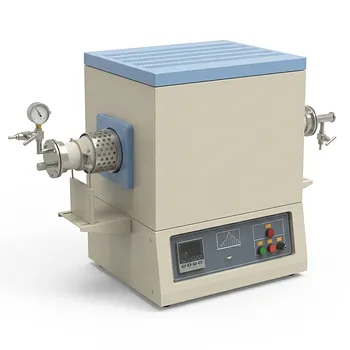
1750°C High Temperature Benchtop Vacuum Atmosphere Tube Furnace with Kanthal Super 1800 Heating Elements and 60mm Alumina Processing Tube
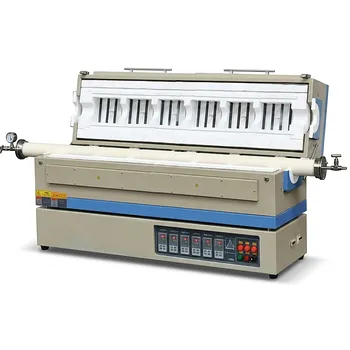
High Temperature 1700C Six Zone Split Tube Furnace with Alumina Tube and Water Cooled Flanges
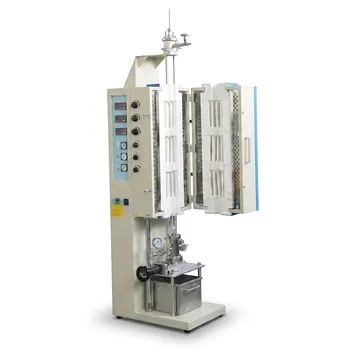
High Temperature Dual Zone Tube Furnace for Material Science Research and Professional Thermal Processing
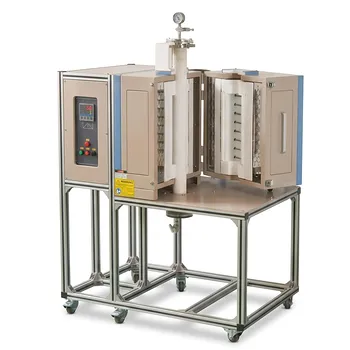
High Temperature 1700C Vertical Split Tube Furnace for Material Quenching and Single Crystal Growth
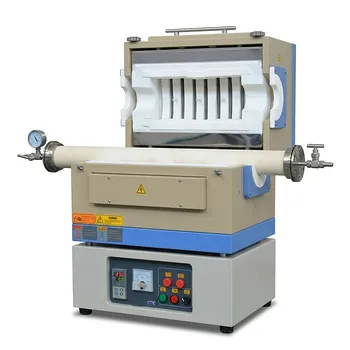
High Temperature 1600C Split Tube Furnace Vacuum Flanges Valves Optional 60mm 80mm Alumina Tube