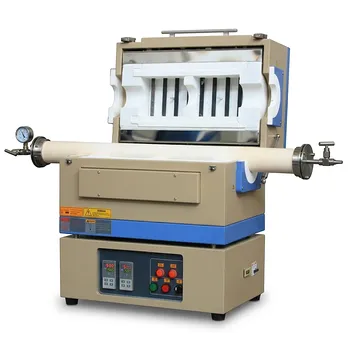
What role does a high-precision tube furnace play in the CVD process of WS2? Optimize Growth and Film Quality
Updated 3 months ago
In the chemical vapor deposition (CVD) of tungsten disulfide ($WS_2$), a high-precision tube furnace serves as the foundational reaction environment that dictates the material's atomic structure. It provides the thermal energy required to vaporize solid precursors and maintains a strictly controlled atmosphere where these vapors can react. By regulating temperature gradients and gas flow, the furnace enables the precise epitaxial growth of $WS_2$ thin films on a substrate.
The high-precision tube furnace is the "engine" of the CVD process, where its ability to maintain thermal stability and atmospheric purity directly determines the crystalline quality, thickness, and uniformity of the resulting $WS_2$ layers.
Managing the Thermal Environment for Precursor Volatilization
Precision Vaporization of Precursors
The furnace provides the intense heat necessary to transform solid materials into reactive gases. For $WS_2$ growth, it typically heats tungsten trioxide ($WO_3$) to temperatures near $900^\circ C$ to trigger vaporization.
Creating Stable Isothermal Zones
High-precision furnaces utilize isothermal zones to ensure that the temperature remains constant across the reaction site. This stability is critical for preventing premature condensation of the precursors before they reach the substrate.
Controlling Heating and Cooling Rates
The ability to program specific heating and cooling ramps allows researchers to influence the nucleation process. Controlled cooling is particularly important for maintaining the integrity of the $WS_2$ crystal lattice as the material solidifies.
Creating a Controlled Reaction Atmosphere
Facilitating Gas-Phase Transport
The furnace works in tandem with a gas delivery system to manage argon (Ar) carrier gas flow. This gas transports the vaporized reactants at a constant rate through the quartz tube to the downstream substrate.
Ensuring Chemical Purity through Sealing
A high-quality tube furnace features excellent sealing performance to prevent external atmospheric contaminants, such as oxygen or moisture, from entering the chamber. This isolation is essential for the atomic layer epitaxial process, ensuring the $WS_2$ remains chemically pure.
Supporting Multi-Zone Temperature Gradients
Many advanced systems use multiple heating zones to create a temperature gradient. This allows the sulfur precursor to be heated at a lower temperature while the tungsten source and substrate are maintained at much higher temperatures.
Determining Film Quality and Uniformity
Influencing Crystal Morphology
The uniformity of the thermal field directly impacts the shape and size of $WS_2$ crystals, often appearing as characteristic triangles. Inconsistent temperatures can lead to irregular crystal shapes or unwanted multi-layer growth.
Controlling Thickness and Consistency
Precise temperature control is the primary mechanism for managing the growth rate of the film. This allows for the production of monolayer $WS_2$ wafers with consistent thickness across a large surface area.
Facilitating Uniform Sulfurization
The furnace ensures that the sulfurization reaction—where sulfur vapor reacts with the tungsten source—occurs evenly. This uniform reaction is what produces high-crystalline-quality films suitable for electronic and optoelectronic applications.
Understanding the Trade-offs and Pitfalls
The Risk of Thermal Gradients
Even in high-precision systems, small thermal gradients can exist near the tube walls. These fluctuations can cause variations in film thickness, making the placement of the substrate within the "sweet spot" of the furnace critical.
Contamination from the Quartz Tube
Over time, the high-temperature quartz tube can accumulate residual precursors from previous runs. If not properly cleaned or "baked out," these residues can act as dopants or impurities, compromising the electronic properties of the $WS_2$.
Thermal Stress and Cycling
Repeatedly heating the furnace to $1000^\circ C$ and cooling it down can create mechanical stress on the tube and the substrate. Rapid cooling may lead to cracking or delamination of the $WS_2$ film due to differences in thermal expansion coefficients.
How to Apply This to Your Project
Recommendations for Targeted Growth Goals
If you are planning a $WS_2$ synthesis project, your furnace configuration should align with your specific material requirements:
- If your primary focus is large-area monolayer uniformity: Invest in a multi-zone tube furnace to independently control the vaporization rates of sulfur and tungsten precursors.
- If your primary focus is high crystalline quality (single crystals): Prioritize a furnace with high-precision PID controllers to maintain a stable, flicker-free isothermal zone during the long growth cycles.
- If your primary focus is rapid prototyping and high throughput: Look for systems with vacuum-assisted fast-cooling features to reduce the turnaround time between experimental runs.
Mastering the thermal and atmospheric variables of your tube furnace is the single most important factor in transitioning from inconsistent flakes to high-quality $WS_2$ thin films.
Summary Table:
| Key Feature | Impact on WS2 CVD Process |
|---|---|
| Precise Vaporization | Regulates $WO_3$ and sulfur gas flow for stable growth. |
| Isothermal Zones | Ensures uniform thickness and prevents premature condensation. |
| Multi-zone Heating | Allows independent temperature control for different precursors. |
| Atmospheric Sealing | Prevents contamination to ensure high chemical purity. |
| Controlled Cooling | Maintains crystal lattice integrity and prevents delamination. |
Elevate Your Material Research with THERMUNITS High-Precision Solutions
Achieving high-quality, monolayer $WS_2$ requires absolute control over thermal and atmospheric variables. THERMUNITS is a leading manufacturer of high-temperature laboratory equipment specifically designed for material science and industrial R&D. We provide the high-stability Tube Furnaces and CVD/PECVD systems necessary to transition from inconsistent flakes to high-crystalline-quality thin films.
Our comprehensive range of thermal solutions includes:
- Specialized Furnaces: Muffle, Vacuum, Atmosphere, Rotary, and Hot Press Furnaces.
- Advanced Systems: CVD/PECVD, Dental Furnaces, and Vacuum Induction Melting (VIM) Furnaces.
- Industrial Equipment: Electric Rotary Kilns and high-grade Thermal Elements.
Whether you are focusing on large-area uniformity or rapid prototyping, THERMUNITS offers the precision and durability your lab needs.
Contact our experts today to find the ideal furnace for your project!
References
- Baojun Pan, Sui‐Dong Wang. Direct Selective Epitaxy of 2D Sb2Te3 onto Monolayer WS2 for Vertical p–n Heterojunction Photodetectors. DOI: 10.3390/nano14100884
Mentioned Products
- High Temperature 1800C Atmosphere Tube Furnace for CVD Research and Vacuum Sintering Precision Heat Treatment
- Vertical Openable Tube Furnace 0-1700c High Temperature Laboratory System for CVD and Vacuum Heat Treatment
- 1200°C High Temperature 4 Inch Tube Furnace with Sliding Flange for CVD Systems
- High Temperature 1200C Split Tube Furnace for CVD Research and Vacuum Atmosphere Heat Treatment
- High Temperature Dual Zone Vacuum Tube Furnace for Material Research and CVD Processing
People Also Ask
- Why is an atmosphere tube furnace considered core equipment for CVD? Essential for Precision Thin-Film & 2D Materials
- Why is a Tube Furnace typically utilized for CVD? Achieve Precision in Graphene and 2D Material Synthesis
- What core function does the high-temperature tube furnace perform in MWCNT synthesis? Essential for CVD Precision
- Why is a high-temperature tube furnace with precise gas flow control required for CVD? Optimize Carbon Nanotube Synthesis
- What role does a high-precision tube heating system play in CVD or PECVD? Master Precision for Advanced Material Growth.

Tech Team · ThermUnits
Last updated on Jun 03, 2026
Related Products
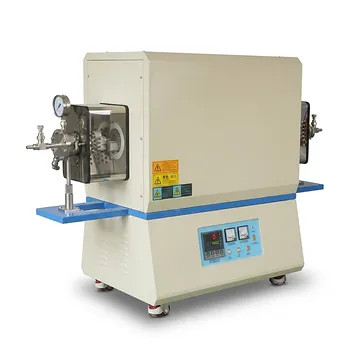
High Temperature 1800C Atmosphere Tube Furnace for CVD Research and Vacuum Sintering Precision Heat Treatment
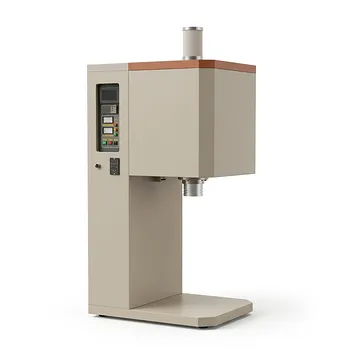
Vertical Openable Tube Furnace 0-1700c High Temperature Laboratory System for CVD and Vacuum Heat Treatment
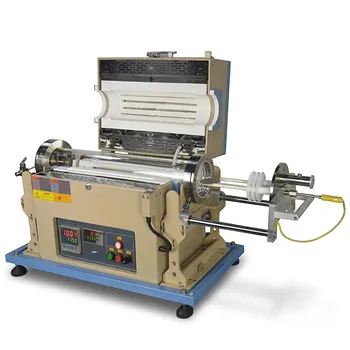
1200°C High Temperature 4 Inch Tube Furnace with Sliding Flange for CVD Systems
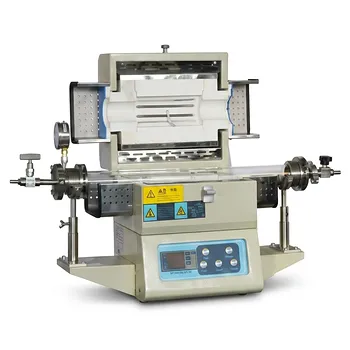
High Temperature 1200C Split Tube Furnace for CVD Research and Vacuum Atmosphere Heat Treatment
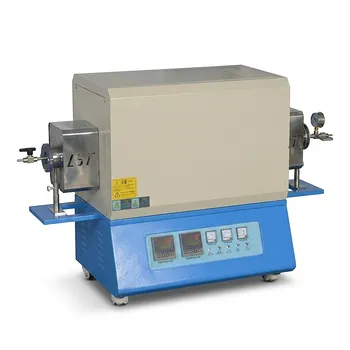
High Temperature Dual Zone Vacuum Tube Furnace for Material Research and CVD Processing
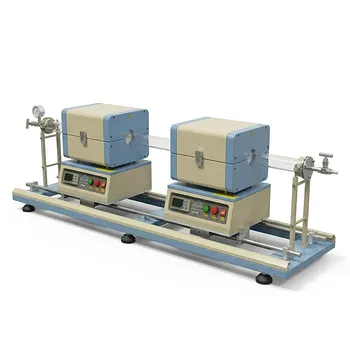
1200C Max Dual Sliding Tube Furnace with 50 mm Tube Flanges for CVD
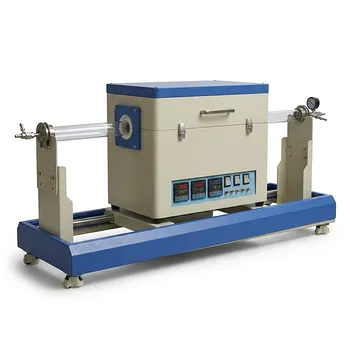
Double Temperature Zone Double Cover Tube Furnace for High Temperature CVD and Vacuum Annealing
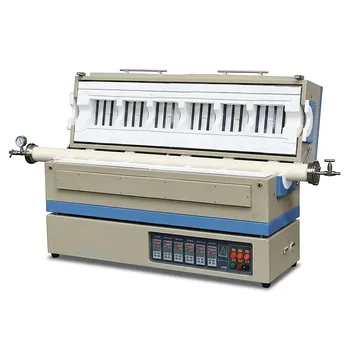
Six Zone Split Tube Furnace with Alumina Tube and Vacuum Flanges for 1500C High Temperature Thermal Processing and CVD

High Temperature 1700C Tube Furnace with High Vacuum Turbomolecular Pump System and Multi Channel Mass Flow Controller Gas Mixer
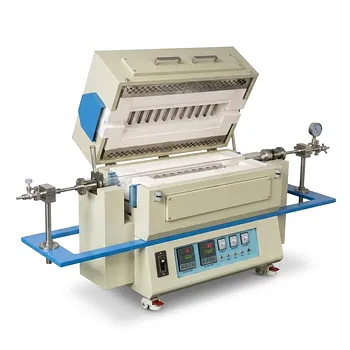
High Temperature Dual Zone Rotating Tube Furnace 1500C Silicon Carbide Heating for Advanced Material Synthesis
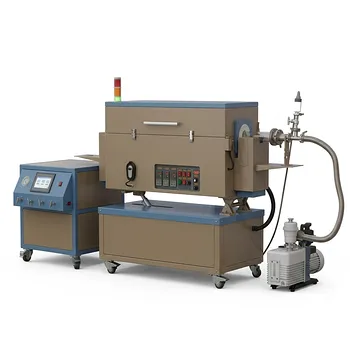
5 Inch Three Zone Rotary Tube Furnace with Integrated Gas Delivery System and 1200C Capability for Advanced Material CVD Processing
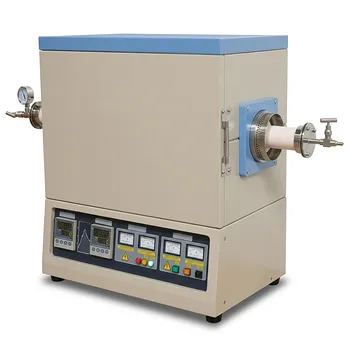
High Temperature 1700C Dual Zone Tube Furnace for Material Science and Industrial Chemical Vapor Deposition Research

High Temperature 1700C Benchtop Tube Furnace with 5 Inch Heating Zone High Purity Alumina Tube and Vacuum Sealing Flanges
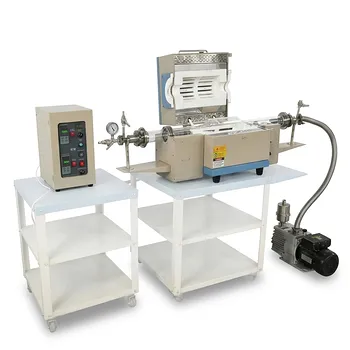
Two Zone Rotary Tube Furnace for Powder CVD Coating and Core Shell Material Synthesis 1100C
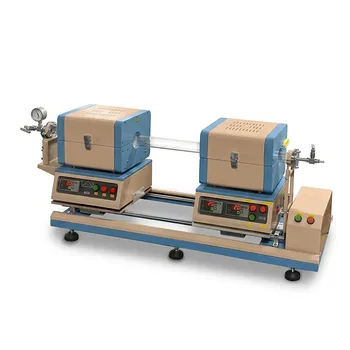
High Temperature 1200C Automatic Sliding Dual Zone Tube Furnace for 2D Transition Metal Dichalcogenides Growth and Material Sublimation Research
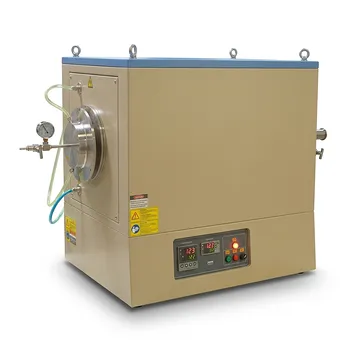
1100°C Large Diameter Quartz Tube Furnace with 24 Inch Heating Zone and Water Cooled Flanges
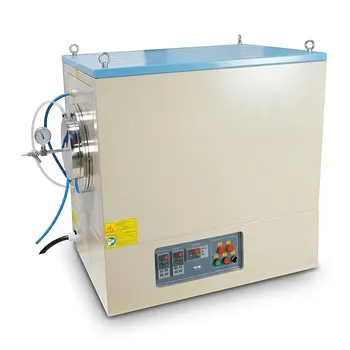
Dual Zone Tube Furnace 1100C with 11 Inch Quartz Tube and Vacuum Flanges for 8 Inch Wafer Processing
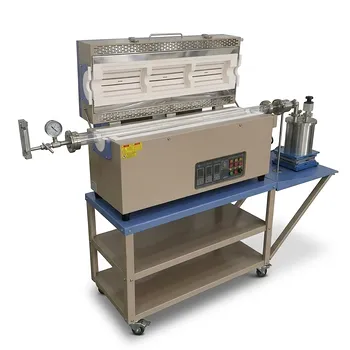
5 Inch Two Zone Rotary Tube Furnace 1100C for Powder CVD and Material Synthesis
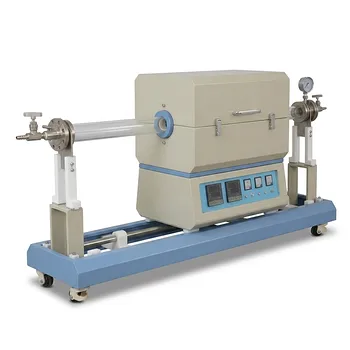
Double Zone Fast Heating Tube Furnace High Temperature Vacuum Atmosphere System