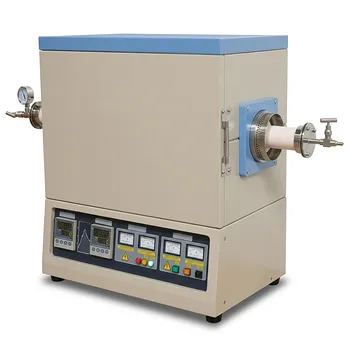
What role does a high-precision tube heating system play in CVD or PECVD? Master Precision for Advanced Material Growth.
Updated 3 months ago
The high-precision tube heating system is the critical thermal engine of CVD and PECVD processes. It provides the strictly controlled environment necessary for gaseous precursors to undergo chemical reactions and deposit onto substrates at the atomic or molecular scale. By maintaining exceptional temperature stability and uniformity, this system ensures the synthesis of materials with predictable crystal structures, controllable layer thickness, and high purity.
A high-precision tube heating system serves as the foundational reaction vessel for advanced material synthesis, enabling the predictable pyrolysis of precursors and the ordered crystallization of nanostructures. Its ability to maintain a uniform and stable thermal field is the primary factor determining the crystalline quality, thickness uniformity, and scalability of the resulting films.
Facilitating Precise Chemical Reactions
Catalytic Decomposition and Precursor Pyrolysis
The heating system provides the thermal energy required to break the molecular bonds of vapor-phase precursors, such as methane (CH₄) or ethanol. This process, known as pyrolysis, releases specific atoms (like carbon for graphene) that then deposit onto the substrate or catalyst surface. Without high-precision control, inconsistent energy levels lead to incomplete reactions or unwanted byproducts.
Thermal Energy for Surface Diffusion
Once precursor atoms reach the substrate, they must move across the surface to find their ideal lattice positions. The tube furnace maintains the specific high-temperature environment—often between 700°C and 1030°C—required for this surface diffusion. This mobility is essential for "ordered crystallization," ensuring the material grows into a high-quality crystal rather than a disordered, amorphous mass.
Activation of Transition Metal Catalysts
In the synthesis of graphene or carbon nanotubes, the heat activates metal catalysts like copper or nickel foils. The precision of the heating system ensures the catalyst surface reaches the exact state needed for the carbon atoms to nucleate and grow. This thermal management directly influences the size of the crystal domains and the overall continuity of the film.
Achieving Structural Integrity and Uniformity
Maintaining Temperature Zone Stability
High-precision systems are designed to eliminate thermal fluctuations within the "hot zone" of the reaction tube. Uniform temperature distribution prevents "hot spots" or "cold spots" that would otherwise cause uneven deposition rates across the substrate. This stability is the physical foundation for achieving high-quality growth over large surface areas.
Controlling Layer Thickness and Morphology
For 2D materials like graphene or silicene, the number of layers (single-layer vs. multi-layer) is highly sensitive to temperature. Precise thermal control allows researchers to fine-tune the growth rate, enabling the production of single-atom thick films with high repeatability. In nanowire synthesis, this control determines the diameter and growth direction of the nanostructures.
Synergistic Atmosphere and Vacuum Regulation
The tube heating system does not operate in isolation; it works in tandem with gas flow and vacuum controls. The system’s sealing performance ensures that the precise mixture of gases, such as hydrogen and argon, remains uncontaminated during the high-temperature phase. This integration allows for the maintenance of a strictly controlled chemical environment throughout the heating and cooling cycles.
Understanding the Trade-offs and Challenges
Thermal Gradient and Edge Effects
While the center of a tube furnace is highly stable, temperature gradients often occur near the ends of the heating zone. These gradients can lead to non-uniform material properties if the substrate is too large or poorly positioned. Users must carefully calibrate the "effective" growth zone to ensure consistent results across the entire sample.
Thermal Stress and Ramp Rates
Rapidly heating or cooling the system (high ramp rates) can save time but may induce thermal stress on both the quartz tube and the synthesized material. This stress can lead to substrate warping or cracking in the deposited thin films. Balancing throughput with the physical limitations of the materials is a constant challenge in high-precision synthesis.
Maintenance of Vacuum Integrity at High Heat
Operating at extreme temperatures, such as 1000°C, puts significant strain on the seals and joints of the vacuum system. Any minor leak introduced by thermal expansion can introduce oxygen, which poisons the catalyst and ruins the material quality. Regular maintenance and high-grade materials are required to maintain the "strictly controlled thermal environment" advertised by these systems.
How to Apply This to Your Project
Making the Right Choice for Your Goal
To achieve the best results in your deposition process, you must align the heating system's capabilities with your specific material requirements.
- If your primary focus is single-layer graphene production: Prioritize a system with extreme temperature stability (±1°C) at 1000°C and high-purity gas integration to ensure uniform catalytic cracking.
- If your primary focus is nanowire or nanostructure morphology: Focus on a system that allows for precise ramp rates and multiple independently controlled heating zones to manage growth direction and density.
- If your primary focus is large-area thin-film uniformity: Invest in a furnace with an extended "constant temperature zone" and superior vacuum sealing to prevent edge effects and oxidation.
The precision of your thermal environment is the single most important factor in transforming a chaotic chemical vapor into a highly ordered, functional nanomaterial.
Summary Table:
| Key Feature | Impact on CVD/PECVD Process | Resulting Material Benefit |
|---|---|---|
| Precursor Pyrolysis | Precise breaking of molecular bonds | High purity and reduced byproducts |
| Surface Diffusion | Controlled mobility of atoms on substrate | Highly ordered crystal structures |
| Thermal Stability | Elimination of hot/cold spots | Uniform film thickness across large areas |
| Zone Regulation | Optimized catalyst activation | Controlled layer count (e.g., single-layer graphene) |
| Atmosphere Integrity | Synergistic vacuum and gas sealing | Prevention of oxidation and catalyst poisoning |
Elevate Your Nanomaterial Synthesis with THERMUNITS
Precise thermal control is the backbone of successful CVD and PECVD processes. As a leading manufacturer of high-temperature laboratory equipment, THERMUNITS specializes in providing advanced thermal solutions tailored for material science and industrial R&D.
Our comprehensive range—including high-precision Tube Furnaces, CVD/PECVD systems, Vacuum Induction Melting (VIM) furnaces, and Rotary Kilns—is designed to deliver the extreme temperature stability and uniformity required for synthesizing graphene, nanowires, and thin films. Whether you are scaling up production or conducting foundational research, our equipment ensures predictable morphology and superior structural integrity.
Ready to optimize your thermal processing? Contact our expert team today to find the perfect solution for your lab!
References
- Jianqing Li, Fei Du. Engineering Detrimental Functional Groups in Conductive Additives Toward High‐Performance All‐Solid‐State Batteries. DOI: 10.1002/chem.202400074
Mentioned Products
- High Temperature 1800C Atmosphere Tube Furnace for CVD Research and Vacuum Sintering Precision Heat Treatment
- Vertical Openable Tube Furnace 0-1700c High Temperature Laboratory System for CVD and Vacuum Heat Treatment
- High Temperature 1200C Split Tube Furnace for CVD Research and Vacuum Atmosphere Heat Treatment
- Double Zone Fast Heating Tube Furnace High Temperature Vacuum Atmosphere System
- High Temperature Dual Zone Rotating Tube Furnace 1500C Silicon Carbide Heating for Advanced Material Synthesis
People Also Ask
- Why is an atmosphere tube furnace considered core equipment for CVD? Essential for Precision Thin-Film & 2D Materials
- Why is a Tube Furnace typically utilized for CVD? Achieve Precision in Graphene and 2D Material Synthesis
- What core function does the high-temperature tube furnace perform in MWCNT synthesis? Essential for CVD Precision
- Why is a high-temperature tube furnace with precise gas flow control required for CVD? Optimize Carbon Nanotube Synthesis
- What role does a high-precision tube furnace play in the CVD process of WS2? Optimize Growth and Film Quality

Tech Team · ThermUnits
Last updated on Jun 02, 2026
Related Products
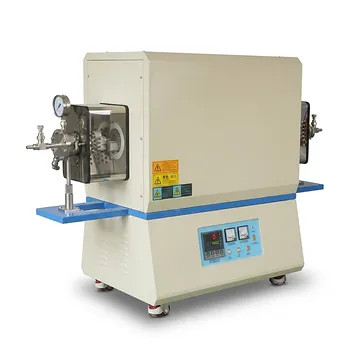
High Temperature 1800C Atmosphere Tube Furnace for CVD Research and Vacuum Sintering Precision Heat Treatment
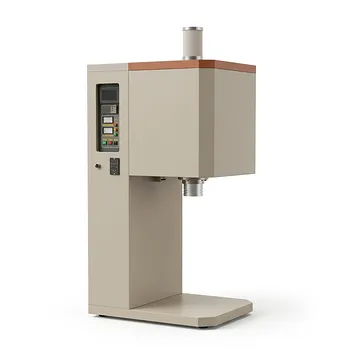
Vertical Openable Tube Furnace 0-1700c High Temperature Laboratory System for CVD and Vacuum Heat Treatment
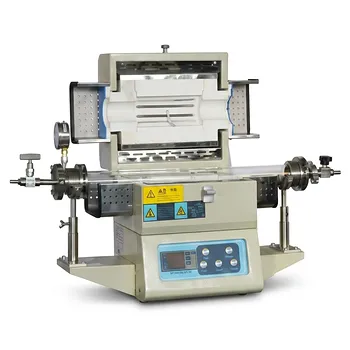
High Temperature 1200C Split Tube Furnace for CVD Research and Vacuum Atmosphere Heat Treatment
Double Zone Fast Heating Tube Furnace High Temperature Vacuum Atmosphere System
High Temperature Dual Zone Rotating Tube Furnace 1500C Silicon Carbide Heating for Advanced Material Synthesis
Chemical Vapor Deposition CVD System Slide PECVD Tube Furnace with Liquid Gasifier PECVD Machine
1200°C High Temperature 4 Inch Tube Furnace with Sliding Flange for CVD Systems

High Temperature 1700C Benchtop Tube Furnace with 5 Inch Heating Zone High Purity Alumina Tube and Vacuum Sealing Flanges
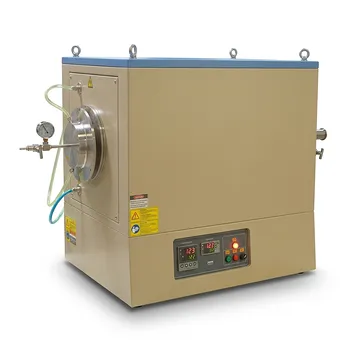
1100°C Large Diameter Quartz Tube Furnace with 24 Inch Heating Zone and Water Cooled Flanges
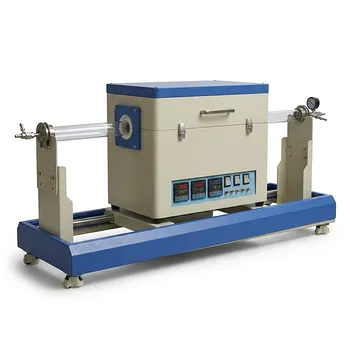
Double Temperature Zone Double Cover Tube Furnace for High Temperature CVD and Vacuum Annealing
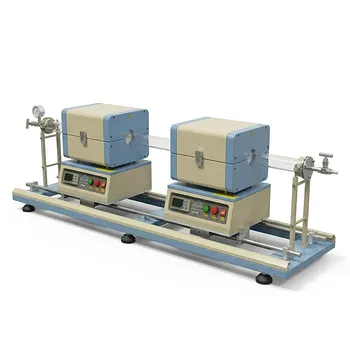
1200C Max Dual Sliding Tube Furnace with 50 mm Tube Flanges for CVD
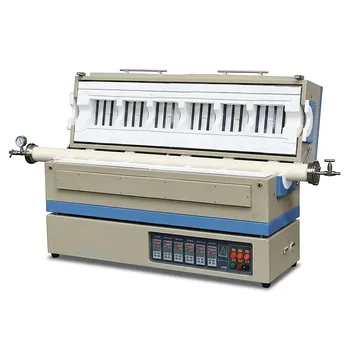
Six Zone Split Tube Furnace with Alumina Tube and Vacuum Flanges for 1500C High Temperature Thermal Processing and CVD
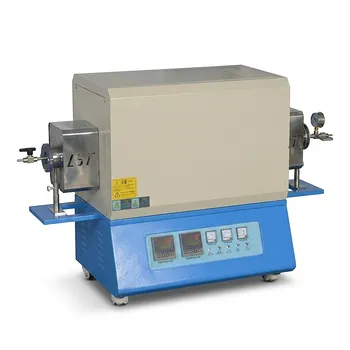
High Temperature Dual Zone Vacuum Tube Furnace for Material Research and CVD Processing
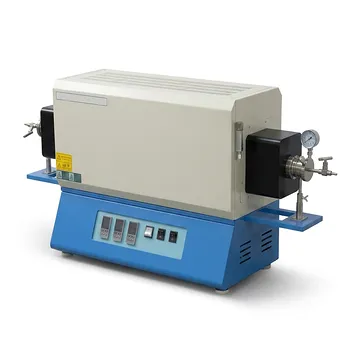
High Temperature Three Temperature Zone Tube Furnace for Advanced Material Science Sintering and Chemical Vapor Deposition Applications
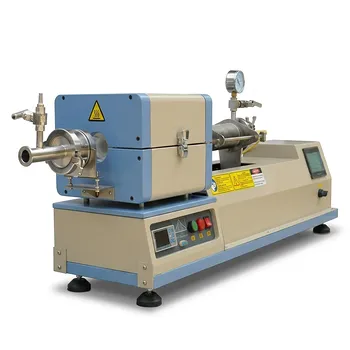
High Temperature 1200C Split Tube Furnace with Internal Travel Mechanism for HPCVD and Crystal Growth Research

High Temperature 1700C Tube Furnace with High Vacuum Turbomolecular Pump System and Multi Channel Mass Flow Controller Gas Mixer
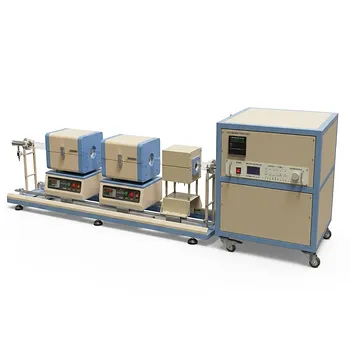
1200C Dual Sliding Tube Furnace with Dual Tubes and Flanges for PECVD Processes
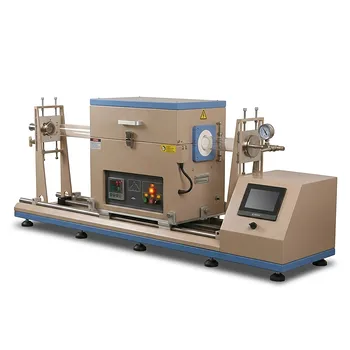
1200C Sliding Tube Furnace for Rapid Thermal Processing and CVD Graphene Growth with 100mm OD Capacity
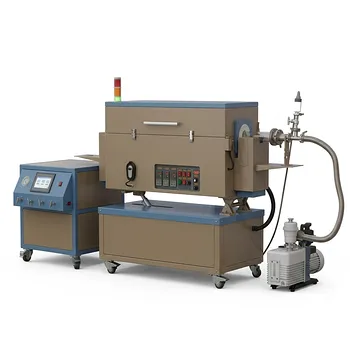
5 Inch Three Zone Rotary Tube Furnace with Integrated Gas Delivery System and 1200C Capability for Advanced Material CVD Processing