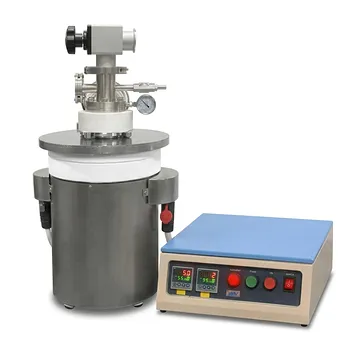
What role does a Rapid Thermal Processing (RTP) furnace play in Selenium recovery? Efficient Material Separation.
Updated 3 months ago
In the recycling of selenium-based optoelectronic devices, the Rapid Thermal Processing (RTP) furnace acts as the primary thermal engine for selective material separation. It utilizes high-speed heating to reach temperatures of 500 °C in approximately 20 seconds, triggering the selective sublimation of selenium. This allows the selenium to be physically isolated from glass substrates and gold electrodes with high efficiency and precision.
The core role of the RTP furnace is to exploit the massive vapor pressure differential between selenium and other device materials. By providing a rapid, controlled heat spike, it induces a phase change in the selenium while leaving the more stable functional layers intact.
The Mechanism of Selective Sublimation
Leveraging Vapor Pressure Differentials
The recovery process hinges on the unique physical properties of selenium compared to other materials in the device stack. At specific temperatures, selenium exhibits a significantly higher vapor pressure than gold or glass.
The RTP furnace exploits this gap to drive selenium into a gaseous state while the other components remain solid. This creates a clean, physical pathway for separation without the need for harsh chemical solvents.
High-Speed Thermal Ramping
Speed is a critical factor in the effectiveness of the RTP furnace within the Close-Spaced Evaporation (CSE) framework. The furnace is capable of ramping temperatures to 500 °C in roughly 20 seconds.
This rapid increase ensures that the energy is focused on the sublimation process rather than soaking the entire assembly. Fast ramping minimizes the window for potential side reactions or unwanted diffusion between layers.
The Role of RTP in the CSE Process
Maintaining Substrate Integrity
Because the thermal pulse is so targeted and brief, the structural integrity of the glass substrate is preserved. This is vital for circular economy goals where the goal is to reuse or cleanly recycle the base materials.
The RTP furnace allows for the removal of the active selenium layer without warping or damaging the underlying glass. This precision high-heat application is difficult to achieve with traditional, slower industrial ovens.
Precision Separation of Functional Layers
In many optoelectronic devices, selenium is in direct contact with delicate gold electrodes. The RTP furnace allows for the "peeling away" of selenium at a molecular level through sublimation.
By controlling the thermal environment so tightly, the furnace ensures that the gold remains on the substrate or can be collected separately. This results in a much higher purity of recovered selenium than bulk crushing or smelting methods.
Understanding the Potential Trade-offs
Equipment Complexity and Cost
While highly effective, RTP furnaces are technologically complex and more expensive to operate than batch furnaces. The control systems required for such rapid temperature changes demand significant capital investment.
This means the process is best suited for high-value recovery facilities rather than low-tech recycling centers. The precision comes at a premium in terms of both energy management and hardware maintenance.
Thermal Stress and Fragility
The rapid 20-second ramp-to-500 °C creates intense thermal gradients within the device. If the substrate has internal flaws or if the cooling phase is not managed correctly, the glass may crack or shatter.
Successful recovery requires a delicate balance between the speed of sublimation and the mechanical limits of the materials. Process parameters must be finely tuned to the specific dimensions of the device being recycled.
How to Apply This to Your Project
Refining Your Recovery Strategy
To successfully implement an RTP-based recovery process, you must align your furnace parameters with your specific material recovery goals.
- If your primary focus is Selenium Purity: Ensure your RTP furnace is calibrated to the exact sublimation point to avoid vaporizing trace impurities from the electrodes.
- If your primary focus is Substrate Reuse: Prioritize controlled cooling cycles after the 500 °C spike to prevent thermal shock and cracking of the glass.
- If your primary focus is High Throughput: Leverage the 20-second ramp time to create a continuous processing flow, but monitor for heat buildup in the furnace chamber.
The rapid thermal processing furnace transforms a complex chemical separation task into a precise, physical sublimation event, making it the cornerstone of modern selenium device recycling.
Summary Table:
| Feature | Details |
|---|---|
| Mechanism | Selective Sublimation via Vapor Pressure Differentials |
| Thermal Performance | Ramping to 500 °C in approximately 20 seconds |
| Primary Target | Recovery of Selenium from glass substrates and gold electrodes |
| Key Benefit | High purity recovery without harsh chemical solvents |
| Operational Focus | Preserving substrate integrity for circular economy goals |
Optimize Your Material Recovery with THERMUNITS
As a leading manufacturer of high-temperature laboratory equipment for material science and industrial R&D, THERMUNITS offers the precision tools you need for advanced recovery processes. Whether you require an RTP furnace for rapid sublimation or other specialized thermal solutions like Muffle, Vacuum, Atmosphere, Tube, or CVD/PECVD systems, our equipment is designed for maximum efficiency and control.
Our Value to You:
- Precision Heating: Achieve rapid thermal ramping for selective material separation.
- Versatile Solutions: From Dental Furnaces to Vacuum Induction Melting (VIM), we cover all heat treatment needs.
- Industrial Expertise: Supporting the recycling of high-value optoelectronic components with cutting-edge technology.
Ready to enhance your laboratory's heat treatment capabilities? Contact our experts today to find the perfect furnace for your specific application!
References
- Xia Wang, Ding‐Jiang Xue. Sustainable Recycling of Selenium‐Based Optoelectronic Devices. DOI: 10.1002/advs.202400615
Mentioned Products
- Rapid Thermal Processing RTP Atmosphere Controlled Bottom Loading Furnace 1100C High Throughput 50C per Second Heating Rate
- Rapid Thermal Processing Furnace 1100C Atmosphere Controlled Bottom Loading RTP System for Wafer Annealing and Catalysis Research
- 1200C Tube Furnace with Internal Magnetic Sample Sliding for Direct Vaporizing Deposition and Rapid Thermal Processing
- Compact Atmosphere Controlled Rapid Thermal Processing RTP Furnace with 4 Inch ID Quartz Tube 1100C
- High Temperature Ultrafast Heating Pressing Furnace 2900C Max 100kgf Rapid Thermal Processing System
People Also Ask
- What role does a SiC-coated graphite susceptor play in H2Se selenization? Boost RTP Thermal Uniformity & Film Purity.
- What are the functional advantages of an RTP system for surface deposition? Enhance Heterojunction Interface Integrity
- What are the advantages of using a Bottom-Loading High-Temperature Furnace in Barium Titanate Fast Firing? Superior Microstructure
- Why is a tube furnace required for FGM-PhG structural color ceramics? Key to Carbon Preservation & Vibrant Color
- In what ways does an atmosphere control system affect nanoporous gold structure? Control Oxygen for Precision Design.

Tech Team · ThermUnits
Last updated on Jun 02, 2026
Related Products
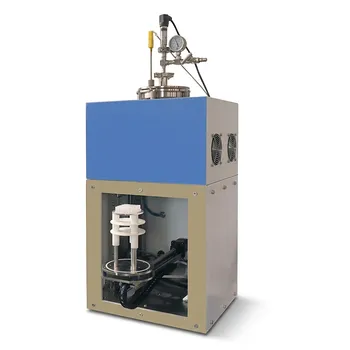
Rapid Thermal Processing RTP Atmosphere Controlled Bottom Loading Furnace 1100C High Throughput 50C per Second Heating Rate
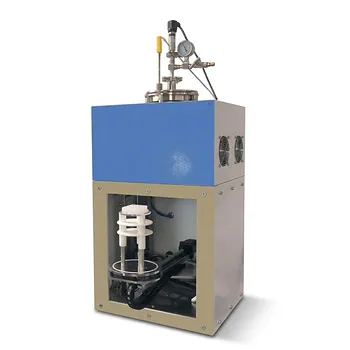
Rapid Thermal Processing Furnace 1100C Atmosphere Controlled Bottom Loading RTP System for Wafer Annealing and Catalysis Research
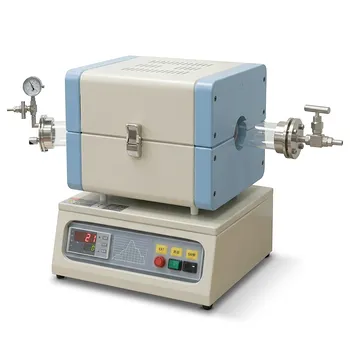
1200C Tube Furnace with Internal Magnetic Sample Sliding for Direct Vaporizing Deposition and Rapid Thermal Processing
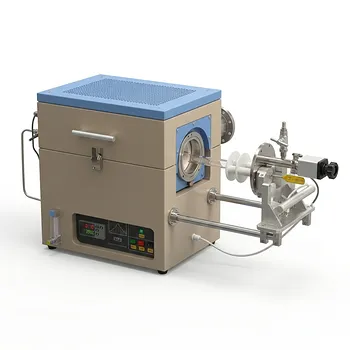
Compact Atmosphere Controlled Rapid Thermal Processing RTP Furnace with 4 Inch ID Quartz Tube 1100C
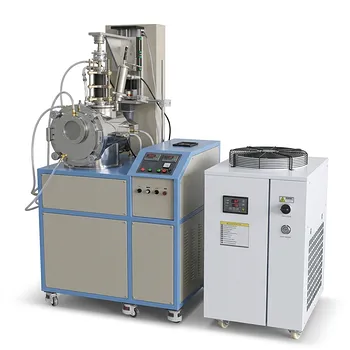
High Temperature Ultrafast Heating Pressing Furnace 2900C Max 100kgf Rapid Thermal Processing System
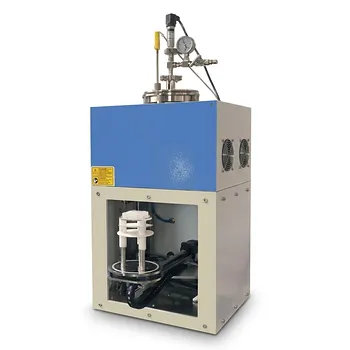
Rapid Thermal Processing Atmosphere Controlled Bottom Loading Furnace 1100C with 50C Per Second Heating Rate for Wafer Annealing
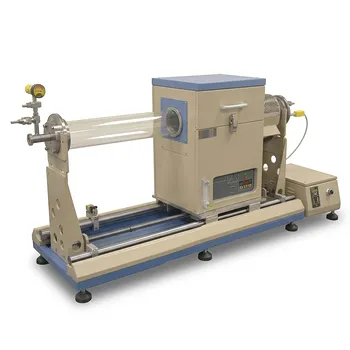
Rapid Thermal Processing Sliding Tube Furnace with 4 Inch OD Quartz Tube and 900C IR Heating
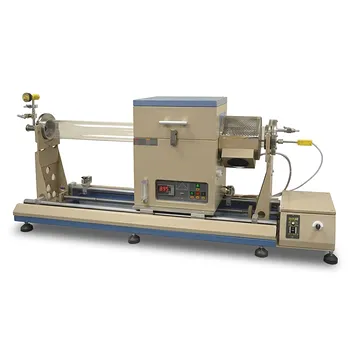
900 ºC Max Sliding RTP Tube Furnace with Rapid IR Heating and 4 Inch OD Quartz Tube
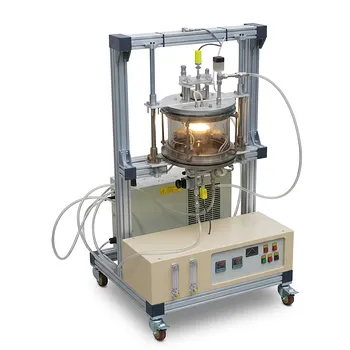
Two Zones CSS Furnace for Rapid Thermal Processing Thin Film Coating 3 Inch Diameter 650C
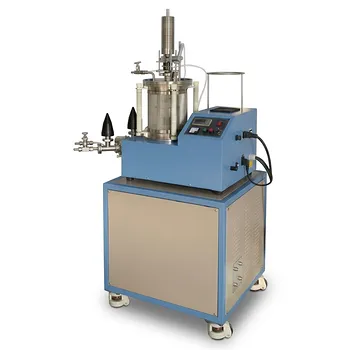
Ultrafast Thermal Pressing Furnace 2900C Max Temperature 200K per Second Heating Rate Vacuum Atmosphere Rapid Processing System
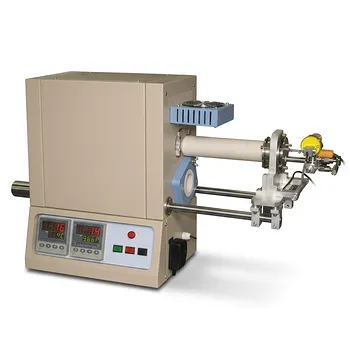
High Temperature Tube Furnace 1500C with Sliding Flanges and 50mm OD for Rapid Thermal Processing Fast Heating and Cooling
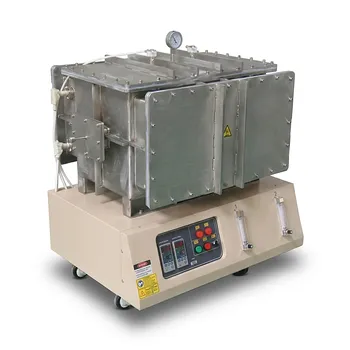
1500°C Atmosphere Controlled Rapid Heating Furnace for Material Science and Battery Powder Sintering
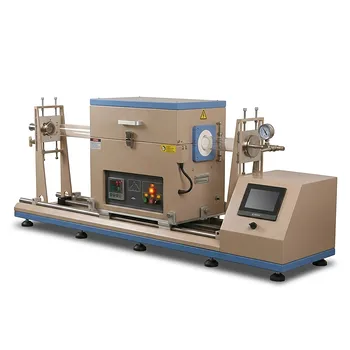
1200C Sliding Tube Furnace for Rapid Thermal Processing and CVD Graphene Growth with 100mm OD Capacity
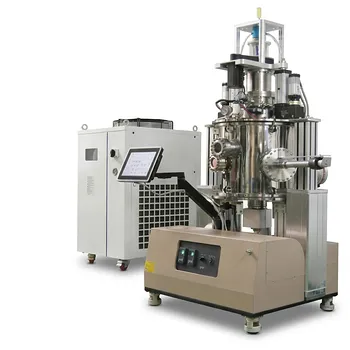
950C Rapid Thermal Processing Furnace for 12 Inch Wafer CSS Coating with Rotating Substrate Holder
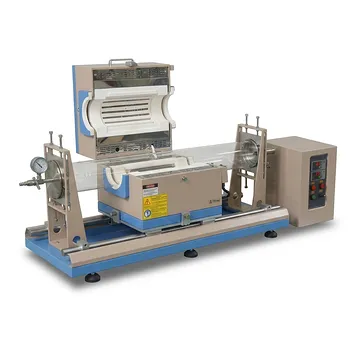
1200C High Temperature 5 Inch Sliding Tube Furnace for Rapid Thermal Processing RTP and Wafer Annealing
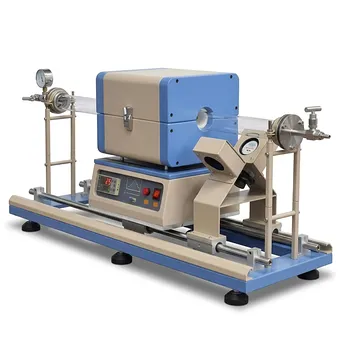
Automated Sliding Tube Furnace for Fast Heating and Cooling 2 Inch OD 1100C Max
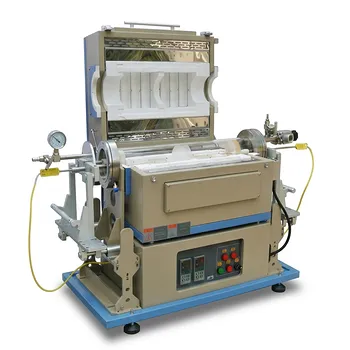
Two Zone IR Heating Rapid Thermal Processing RTP Tube Furnace with 4 Inch ID Quartz Tube and Sliding Sample Holders
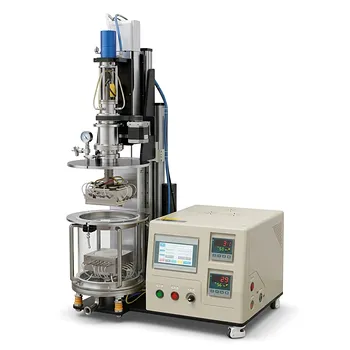
High Temperature 800C Rapid Thermal Processing Furnace with Rotating Sample Holder for Close Spaced Sublimation and Thin Film Solar Cell Research

Compact Vertical Split Quartz Tube Furnace with Stainless Steel Vacuum Flanges for Rapid Thermal Quenching and Controlled Atmosphere Material Processing