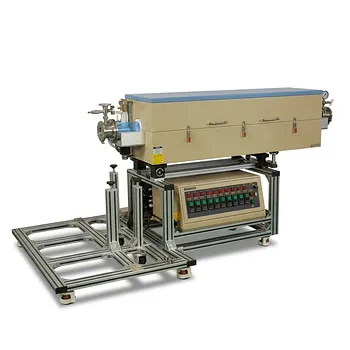
What role does a tubular electric heating furnace play in the ex situ reduction process of catalysts? Achieve Peak Activity.
Updated 6 months ago
The tubular electric heating furnace serves as a specialized, high-temperature environment designed to achieve large-scale, standardized activation of catalysts through precise thermal and atmospheric control. By utilizing a hydrogen/argon gas mixture, the furnace transforms inactive metal oxides into active metallic states before they are loaded into a production reactor. This ex situ approach significantly reduces industrial overhead by eliminating the requirement for primary reactors to reach the extreme temperatures necessary for activation.
Core Takeaway: A tubular furnace acts as a controlled "activation chamber" that decouples the high-temperature reduction process from the primary catalytic reaction. This ensures peak catalyst performance by preventing sintering while optimizing reactor design costs.
Achieving Precise Chemical Transformation
A tubular furnace is the primary tool for converting stable precursors into their reactive, functional forms.
Conversion of Oxide States to Metallic Centers
The furnace provides the stable thermal field required to reduce loaded metal oxide precursors, such as Nickel Oxide (NiO), into their metallic active centers. By maintaining specific temperatures (e.g., 350°C to 500°C), the furnace ensures that the chemical reduction is complete and uniform across the catalyst batch.
Controlled Atmospheric Environments
Through integrated gas control systems, the furnace facilitates a steady flow of reducing gases like hydrogen ($H_2$). This environment is critical for inducing the formation of unique structures, such as PtCux alloys, and for weakening the strong metal-support interaction (SMSI) which can otherwise hinder catalytic activity.
Atomic-Scale Rearrangement
High-precision heating curves allow metal species to rearrange at the atomic scale on the support surface. This level of control is essential for forming highly ordered intermetallic compound crystalline structures, which are the foundation of precise catalytic active sites.
Preserving Catalyst Morphology and Surface Area
Beyond chemical changes, the furnace is responsible for maintaining the physical integrity of the catalyst particles.
Prevention of Sintering and Agglomeration
One of the most critical roles of the furnace is the strict regulation of reduction time and temperature to prevent excessive sintering. By avoiding thermal overshoot, the furnace ensures that metal particles do not clump together, thereby preserving a high number of active sites and maintaining superior metal dispersion.
Management of Particle Size and Crystallinity
In the synthesis of nanocatalysts, the stable, long temperature zone of a tube furnace is used for precursor pyrolysis and calcination. This control is vital for defining the final particle size and crystallinity, which directly dictates the catalyst's effectiveness in dehydrogenation and electrocatalytic reactions.
Elimination of Lattice Defects
For specific catalysts like Iridium Oxide (IrO₂), the furnace provides extreme temperatures (650°C–1000°C) to convert precursors into high-crystallinity structures. This process eliminates lattice defects and enhances the thermodynamic stability of the material, ensuring it remains non-reducible in harsh hydrogen environments.
Economic and Operational Advantages
Using a tubular furnace for ex situ reduction provides significant benefits to the overall industrial workflow.
Optimization of Reactor Design Costs
By performing activation outside the main reactor, engineers can design industrial reactors for the reaction temperature rather than the much higher activation temperature. This optimization significantly reduces the cost of materials and construction for large-scale chemical reactors.
Large-Scale Standardized Activation
The furnace environment allows for the standardization of catalyst batches. Because the reduction parameters are strictly controlled in a dedicated vessel, the resulting catalyst performance is highly predictable, leading to more stable industrial processes.
Understanding the Trade-offs
While the use of a tubular furnace for ex situ reduction offers precision, it introduces specific technical challenges.
- Risk of Re-oxidation: Because the catalyst is activated outside the main reactor, there is a significant risk of surface re-oxidation during the transfer process unless specialized air-free handling techniques are used.
- Thermal Gradients: In larger tube furnaces, maintaining a perfectly uniform temperature field across the entire tube diameter can be difficult, potentially leading to slight variations in catalyst activity within the same batch.
- Gas Consumption: Maintaining a constant flow of high-purity hydrogen/argon mixtures over long reduction cycles can increase the operating expenditure (OPEX) compared to faster, less controlled activation methods.
How to Apply This to Your Project
To maximize the benefits of a tubular furnace in your catalyst workflow, align your furnace parameters with your specific performance goals.
- If your primary focus is Maximum Activity: Prioritize precise temperature control and high hydrogen flow rates to weaken strong metal-support interactions and maximize active site dispersion.
- If your primary focus is Long-Term Stability: Focus on high-temperature calcination steps (650°C+) to eliminate lattice defects and ensure high crystallinity in the final catalyst structure.
- If your primary focus is Cost Optimization: Utilize the furnace for large-batch ex situ reduction to allow for a simplified, lower-cost design of your primary industrial reactor.
A tubular electric heating furnace is not merely a heater, but a sophisticated reactor that defines the chemical and structural identity of a catalyst.
Summary Table:
| Feature | Role in Ex Situ Reduction | Impact on Catalyst |
|---|---|---|
| Atmospheric Control | Manages $H_2/Ar$ gas flow | Converts stable oxides to reactive metallic centers. |
| Thermal Stability | Maintains uniform high-temp fields | Prevents sintering and preserves high active surface area. |
| Process Decoupling | Separates activation from reaction | Optimizes industrial reactor design and construction costs. |
| Structural Tuning | Atomic-scale rearrangement | Facilitates formation of ordered intermetallic compounds. |
| Calcination Range | High-temp capability (up to 1000°C) | Eliminates lattice defects for superior thermodynamic stability. |
Elevate Your Catalyst Research with THERMUNITS
As a leading manufacturer of high-temperature laboratory equipment for material science and industrial R&D, THERMUNITS provides the precision heating solutions necessary for advanced catalyst activation. Our specialized systems, including Tube, Vacuum, Atmosphere, Muffle, and Rotary furnaces, are designed to deliver the exact thermal and atmospheric control required to prevent sintering and maximize active sites in your materials.
Why Choose THERMUNITS for Your Heat Treatment?
- Comprehensive Range: From CVD/PECVD systems and Hot Press furnaces to Vacuum Induction Melting (VIM) and electric rotary kilns.
- Precision Engineering: Optimized for ex situ reduction, pyrolysis, and calcination processes to ensure predictable, large-scale results.
- Expert Support: We supply thermal elements and specialized equipment tailored to the unique needs of chemical and material research.
Ready to optimize your catalyst performance and reduce industrial overhead? Contact THERMUNITS today for a custom solution!
References
- Mohamed Amine Lwazzani, Jordi Guilera. Unveiling the Influence of Activation Protocols on Cobalt Catalysts for Sustainable Fuel Synthesis. DOI: 10.3390/catal14120920
Mentioned Products
- High Temperature Tube Furnace 1500C with Sliding Flanges and 50mm OD for Rapid Thermal Processing Fast Heating and Cooling
- 1100°C Large Diameter Quartz Tube Furnace with 24 Inch Heating Zone and Water Cooled Flanges
- High Temperature Elongated Dual Zone Tube Furnace for Material Research and Industrial Heat Treatment
- Two Zone IR Heating Rapid Thermal Processing RTP Tube Furnace with 4 Inch ID Quartz Tube and Sliding Sample Holders
- High Temperature Dual Zone Tube Furnace for Material Science Research and Professional Thermal Processing
People Also Ask
- How are high-temperature tube furnaces utilized to repair etching damage? Precision Lattice Restoration Solutions
- How does precision tube furnace control influence CoFe nanoparticle formation? Master Your Bimetallic Synthesis.
- What role does a high-temperature tube furnace play in CVD synthesis of silicon nanowires? Master VLS Growth Precision.
- What role does a high-temperature tube furnace play in the sulfidation heat treatment of CoS@C/MXene nanocomposites? Guide
- What core conditions does a high-temperature tube furnace provide for rGO aerogels? Mastering Precision Synthesis.

Tech Team · ThermUnits
Last updated on Apr 14, 2026
Related Products
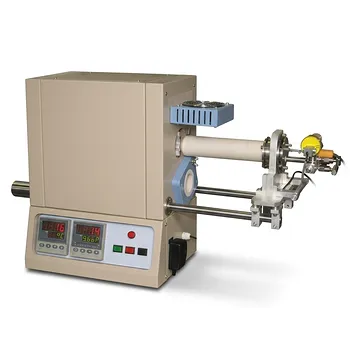
High Temperature Tube Furnace 1500C with Sliding Flanges and 50mm OD for Rapid Thermal Processing Fast Heating and Cooling
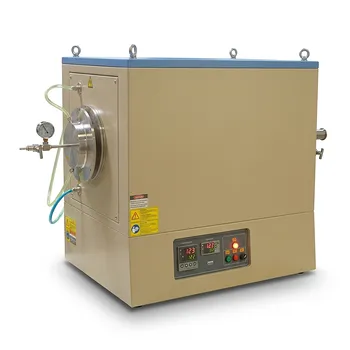
1100°C Large Diameter Quartz Tube Furnace with 24 Inch Heating Zone and Water Cooled Flanges
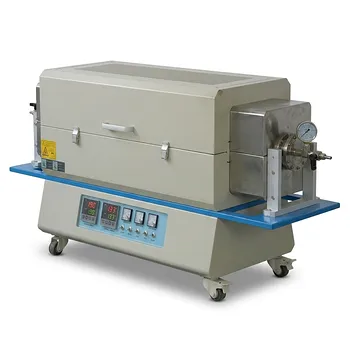
High Temperature Elongated Dual Zone Tube Furnace for Material Research and Industrial Heat Treatment
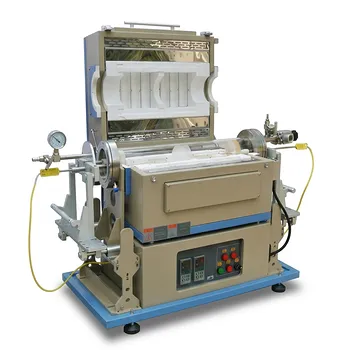
Two Zone IR Heating Rapid Thermal Processing RTP Tube Furnace with 4 Inch ID Quartz Tube and Sliding Sample Holders
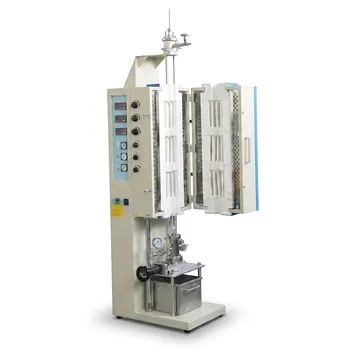
High Temperature Dual Zone Tube Furnace for Material Science Research and Professional Thermal Processing
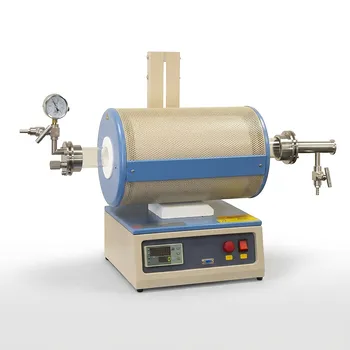
1100C Tube Furnace with Vacuum Flange and Programmable Temperature Controller for Material Science and Industrial Heat Treatment
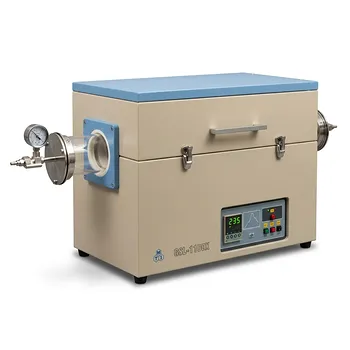
Single Zone Tube Furnace 5 Inch Quartz Tube 36 Inch Heating Zone Vacuum Flanges
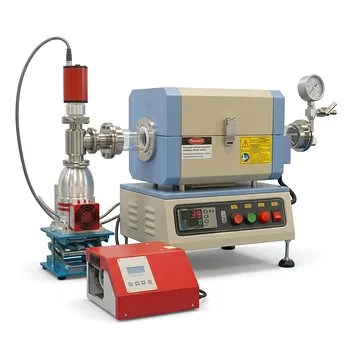
High Vacuum Compact Tube Furnace 1200C with Integrated Turbo Pump System and 8 Inch Heating Zone
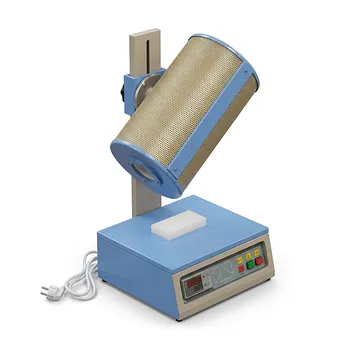
1100°C Vertical Laboratory Furnace for DIY Tubular Reactors with PID Temperature Controller
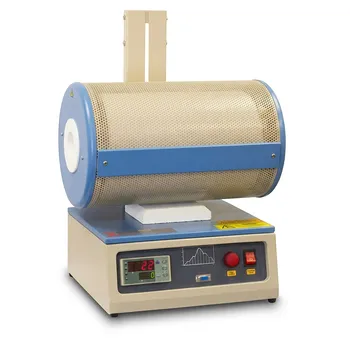
Multi Position Tube Furnace 1100C for Laboratory Material Research and Advanced Industrial Thermal Processing
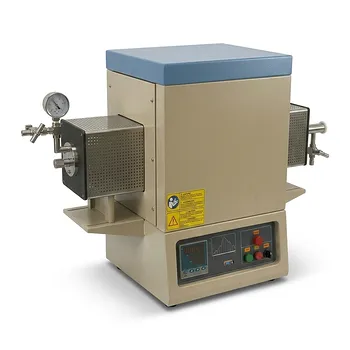
High Temperature 1700C Benchtop Tube Furnace with 5 Inch Heating Zone High Purity Alumina Tube and Vacuum Sealing Flanges
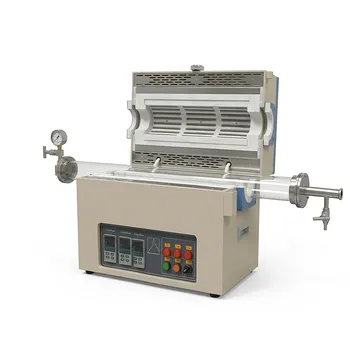
1200°C Three Zone Split Tube Furnace with 18 Inch Heating Length and Vacuum Flanges
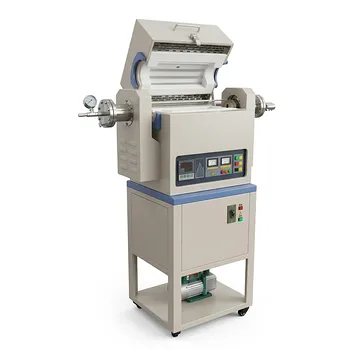
High Temperature Rotary Tilt Tubular Furnaces for Advanced Powder Sintering and Material Processing
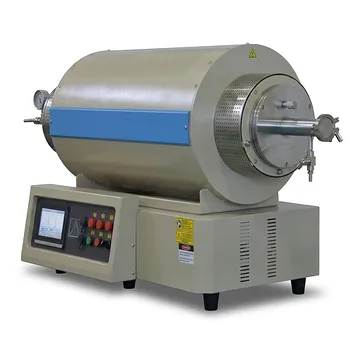
1200C Max Three Zone Tube Furnace 6 Inch OD Max with Tube and Flange
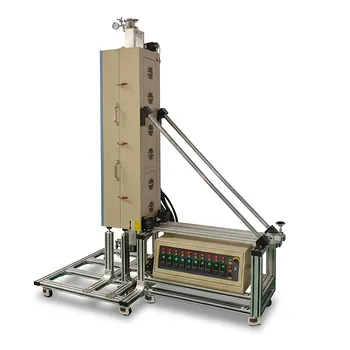
1200°C 10-Zone Split Tube Furnace with Horizontal and Vertical Mounting for Multi-Zone Thermal Gradients and Large Diameter Material Processing
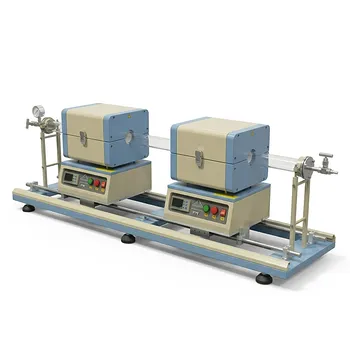
1200C Max Dual Sliding Tube Furnace with 50 mm Tube Flanges for CVD
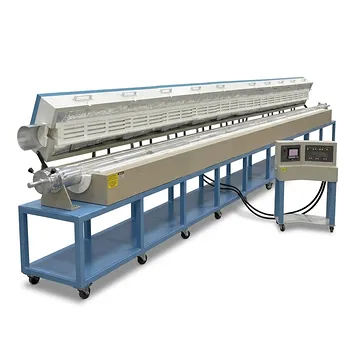
12 Zone Ultra Long Split Tube Furnace with 20 Foot Quartz Tube and 1100C Max Temperature
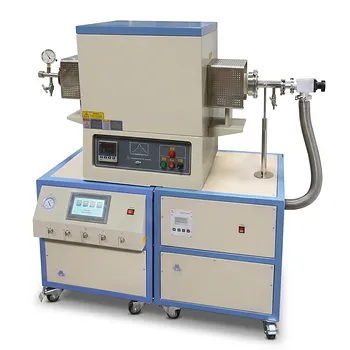
High Temperature 1700C Tube Furnace with High Vacuum Turbomolecular Pump System and Multi Channel Mass Flow Controller Gas Mixer
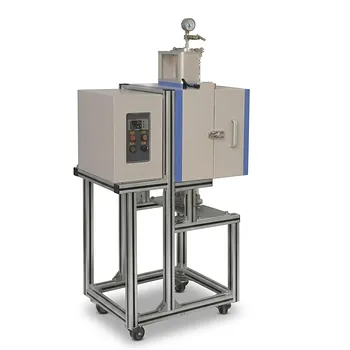
1200°C 5 Inch Vertical Quartz Tube Furnace with Stainless Steel Vacuum Flanges