What role does Freon (CHClF2) play in carbon nanotube purification? Safe and Effective Metal Impurity Removal
Updated 3 months ago
Freon (CHClF2) serves as a safe, controlled source of chlorine gas for the deep purification of carbon nanotubes. When introduced into a high-temperature furnace at approximately 800 °C, Freon decomposes to generate chlorine in-situ, which then reacts with iron impurities to form volatile ferric chloride. This localized chemical reaction allows for the removal of metal contaminants that are otherwise shielded from traditional cleaning methods.
Freon acts as a chemical precursor that enables the removal of encapsulated metal impurities by generating reactive chlorine directly within the high-temperature furnace. This method provides a safer, more effective alternative to traditional acid washing or direct gas injection.
The Mechanism of In-Situ Chlorine Generation
Thermal Decomposition at High Temperatures
Freon (CHClF2) undergoes thermal decomposition once it reaches the 800 °C high-temperature zone of the purification equipment. This process breaks the chemical bonds of the Freon molecule to release chlorine gas (Cl2) directly within the reaction chamber.
Formation of Volatile Ferric Chloride
The newly generated chlorine gas immediately reacts with exposed iron and iron oxides present in the carbon nanotube samples. This reaction transforms solid iron contaminants into ferric chloride (FeCl3), a compound with a notably low boiling point.
Efficient Impurity Removal
Because ferric chloride is highly volatile at these temperatures, it shifts into a gaseous state and is purged from the system. This gas-phase removal ensures that the metallic impurities are extracted from the carbon structure without leaving liquid residues.
Overcoming the Challenge of Encapsulated Impurities
Synergistic Role of CO2 Etching
Metal impurities in carbon nanotubes are often "encapsulated" within graphitized carbon layers that protect them from chemical attack. In a Freon-CO2 assisted process, the carbon dioxide acts as an oxidizing agent to peel away these carbon shells through controlled etching.
Reaching Inaccessible Contaminants
Once the CO2 atmosphere exposes the internal iron, the in-situ generated chlorine from the Freon can finally react with the metal. This dual-action approach addresses the core limitation of traditional acid washing, which often fails to reach impurities hidden inside carbon structures.
Precision Control in Tube Furnaces
High-temperature tube furnaces provide the strictly controlled thermal environment necessary for this chemistry to occur. By managing heating rates and soaking times between 600 °C and 900 °C, the equipment ensures the rearrangement of carbon atoms while simultaneously removing non-carbon elements.
Understanding the Trade-offs and Risks
Safety vs. Corrosivity
The primary advantage of using Freon is the avoidance of chlorine gas cylinders, which pose significant safety hazards and equipment corrosion risks. Generating the gas in-situ ensures that highly corrosive substances are only present where and when they are needed for the reaction.
Temperature Sensitivity
The process is highly dependent on precise temperature windows; if the furnace temperature is too low, the Freon will not decompose efficiently. Conversely, if temperatures exceed the required range without an inert protective atmosphere (like nitrogen), the carbon nanotubes themselves may be lost to oxidation.
Environmental and Equipment Maintenance
While safer for the operator, the byproduct of this process—ferric chloride vapor—is still corrosive to downstream components. Users must implement scrubbing systems or specialized exhaust management to handle the acidic byproducts and prevent damage to the furnace's structural integrity over time.
How to Apply This to Your Purification Project
Successful purification requires balancing the chemical etching of carbon shells with the volatilization of metallic impurities.
- If your primary focus is removing encapsulated metals: Use a combined Freon-CO2 cycle at 800 °C to etch the carbon shells before the chlorine reaction begins.
- If your primary focus is equipment longevity and safety: Utilize Freon as your chlorine source rather than direct gas injection to minimize the handling of pressurized corrosive cylinders.
- If your primary focus is maintaining carbon structure integrity: Ensure a strict nitrogen inert atmosphere is used during the final high-temperature stages to prevent unnecessary oxidation loss.
By utilizing Freon as an in-situ reagent, you can achieve ultra-high purity in carbon nanomaterials while maintaining a safer and more controllable laboratory environment.
Summary Table:
| Feature/Process | Mechanism in Purification | Key Benefit |
|---|---|---|
| Thermal Decomposition | Freon breaks down at ~800 °C to release Cl2 gas. | Safe, localized chlorine source without gas cylinders. |
| Chemical Reaction | Chlorine reacts with iron to form Ferric Chloride (FeCl3). | Converts solid metal contaminants into volatile gases. |
| Gas-Phase Removal | Volatile FeCl3 is purged from the furnace chamber. | Achieves high purity without leaving liquid or solid residues. |
| CO2 Synergy | CO2 etches graphitized carbon shells covering metals. | Allows chlorine to reach and remove encapsulated impurities. |
Achieve Ultra-High Purity in Your Carbon Nanomaterials
Are you looking to optimize your purification process for carbon nanotubes or other advanced materials? THERMUNITS is a leading manufacturer of high-temperature laboratory equipment specifically designed for material science and industrial R&D. Our precision-engineered Tube Furnaces, Vacuum Furnaces, and CVD/PECVD systems provide the stable thermal environments and gas control required for complex in-situ chemical reactions like Freon-assisted purification.
By partnering with us, you gain access to a comprehensive range of thermal solutions—including Atmosphere, Rotary, and Hot Press furnaces—tailored to enhance your lab's efficiency and safety.
Ready to upgrade your heat treatment capabilities? Contact THERMUNITS today to discuss your specific research needs with our experts!
References
- Yiman Huang, Xilai Jia. Freon–CO<sub>2</sub>-assisted purification of single-walled carbon nanotubes. DOI: 10.1039/d4na00610k
Mentioned Products
- High Temperature Vertical Atmosphere Controlled Furnace with Automatic Bottom Loading and 1700°C Capacity for Advanced Material Research
- High Temperature 1700C Vertical Tube Furnace for Powder Spherification and Material Sintering
- High Temperature 1700C Benchtop Tube Furnace with 5 Inch Heating Zone High Purity Alumina Tube and Vacuum Sealing Flanges
- Vertical Openable Tube Furnace 0-1700c High Temperature Laboratory System for CVD and Vacuum Heat Treatment
- High Temperature Automated 5 Inch Tube Furnace for Autonomous Material Research and Advanced Laboratory R&D
People Also Ask
- What role does atmosphere control play in technical ceramics and glass? Master Material Purity and Precision
- What is the function of a vertical tube furnace in MnOx-SiO2 research? Precision Control & Quenching
- What's the Role of Tube Furnaces in FeCuS-N-C Synthesis? Precision Pyrolysis & Atmosphere Control
- What role does a high-temperature atmosphere furnace play in the direct electrochemical reduction of CO2? - Key Insights
- What is the function of a high-temperature tube furnace with atmosphere control? Optimize Carbonization of Composites

Tech Team · ThermUnits
Last updated on Jun 02, 2026
Related Products
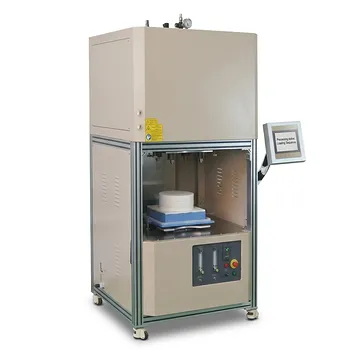
High Temperature Vertical Atmosphere Controlled Furnace with Automatic Bottom Loading and 1700°C Capacity for Advanced Material Research

High Temperature 1700C Vertical Tube Furnace for Powder Spherification and Material Sintering

High Temperature 1700C Benchtop Tube Furnace with 5 Inch Heating Zone High Purity Alumina Tube and Vacuum Sealing Flanges
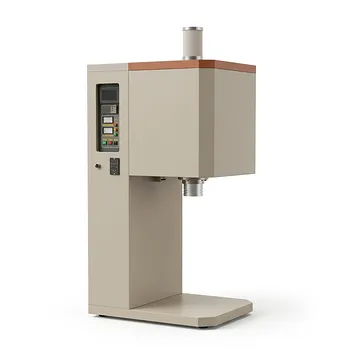
Vertical Openable Tube Furnace 0-1700c High Temperature Laboratory System for CVD and Vacuum Heat Treatment

High Temperature Automated 5 Inch Tube Furnace for Autonomous Material Research and Advanced Laboratory R&D
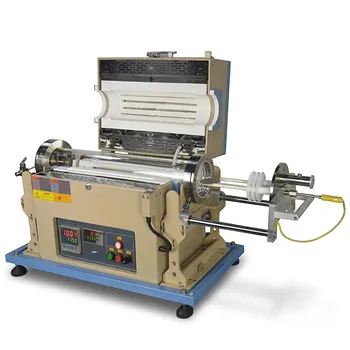
1200°C High Temperature 4 Inch Tube Furnace with Sliding Flange for CVD Systems
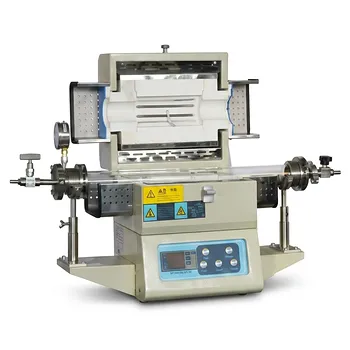
High Temperature 1200C Split Tube Furnace for CVD Research and Vacuum Atmosphere Heat Treatment
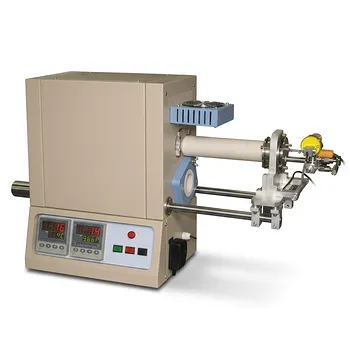
High Temperature Tube Furnace 1500C with Sliding Flanges and 50mm OD for Rapid Thermal Processing Fast Heating and Cooling
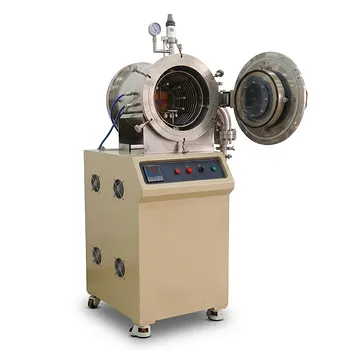
High Temperature Cold Wall High Vacuum Chamber Furnace 1400C for Advanced Material Processing
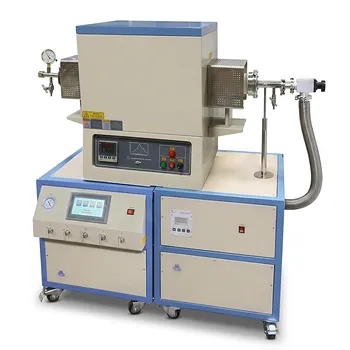
High Temperature 1700C Tube Furnace with High Vacuum Turbomolecular Pump System and Multi Channel Mass Flow Controller Gas Mixer
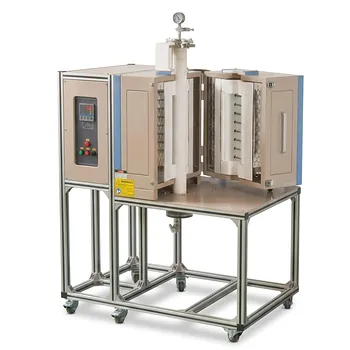
High Temperature 1700C Vertical Split Tube Furnace for Material Quenching and Single Crystal Growth
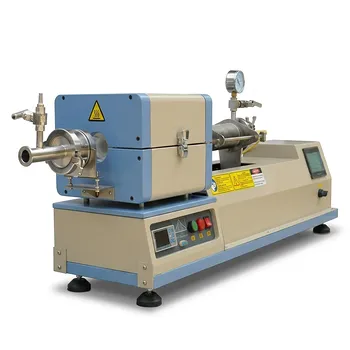
High Temperature 1200C Split Tube Furnace with Internal Travel Mechanism for HPCVD and Crystal Growth Research
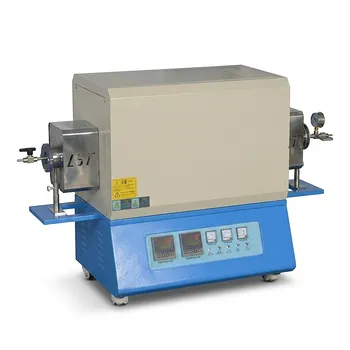
High Temperature Dual Zone Vacuum Tube Furnace for Material Research and CVD Processing
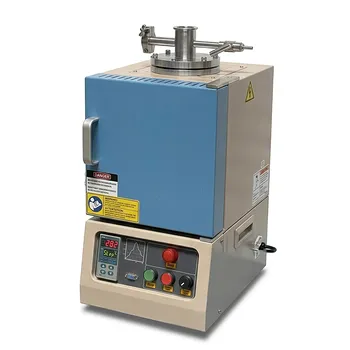
High Temperature Hybrid Muffle and Tube Furnace with Vacuum Capability and PID Control
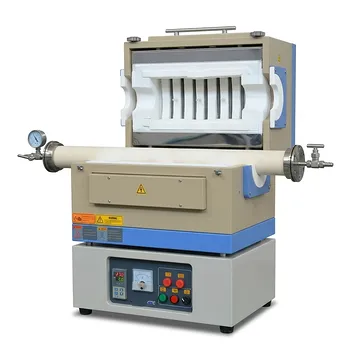
High Temperature 1600C Split Tube Furnace Vacuum Flanges Valves Optional 60mm 80mm Alumina Tube
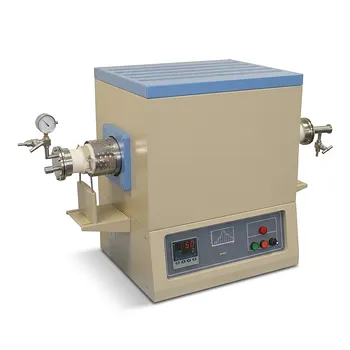
1700C High Temperature Alumina Tube Furnace with 18 Inch Heated Zone and Vacuum Sealing Flanges
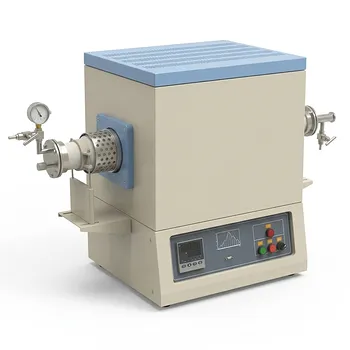
1750°C High Temperature Benchtop Vacuum Atmosphere Tube Furnace with Kanthal Super 1800 Heating Elements and 60mm Alumina Processing Tube
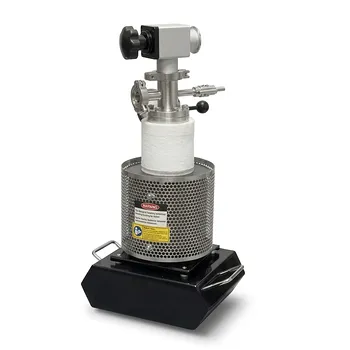
High Temperature 1100C Compact Top Loading Vertical Vacuum Tube Furnace for High Vacuum Noble Metal Melting and Material Research

1800C High Temperature Compact Vacuum Tube Furnace with 60mm OD Alumina Tube and Kanthal MoSi2 Heating Elements