What role does ion bombardment play in the formation of thin films during PECVD? Key to High-Quality Low-Temp Coatings
Updated 5 months ago
Ion bombardment is a critical kinetic driver in Plasma Enhanced Chemical Vapor deposition (PECVD) that dictates the physical and structural integrity of the resulting thin film. By accelerating positive ions across the plasma sheath toward the substrate, the process provides the necessary surface energy to facilitate film growth at temperatures far lower than traditional thermal CVD. This energy transfer allows for the creation of dense, high-quality films without requiring extreme heat that could damage sensitive components.
Core Takeaway: Ion bombardment serves as a non-thermal energy source that enables film densification, improves adhesion, and controls internal stress, making high-performance thin-film deposition possible at temperatures as low as 200°C.
The Mechanics of Kinetic Energy Transfer
The Plasma Sheath and Ion Acceleration
In a capacitively coupled PECVD system, a Radio Frequency (RF) power supply generates a glow discharge between electrodes. This discharge creates a plasma sheath, an electric field that naturally accelerates positive ions toward the substrate surface.
Surface Energy Supplementation
Unlike thermal CVD, which relies on high ambient heat to drive chemical reactions, PECVD uses this ion bombardment to provide localized energy. This kinetic energy allows reactive species—decomposed from gases like silane (SiH4) and methane (CH4)—to migrate and bond effectively at the surface.
Activation of Reactive Radicals
The plasma environment decomposes precursor gases into active radicals. While these radicals are the primary building blocks of the film, the physical impact of ions ensures these blocks are packed efficiently and bonded strongly to the underlying material.
Structural and Chemical Impacts on the Film
Promotion of Film Densification
As ions strike the growing surface, they compress the accumulating material, leading to film densification. This process reduces porosity and ensures the film is robust enough for industrial applications, such as protecting semiconductor layers.
Controlling Internal Film Stress
One of the most vital roles of ion bombardment is its ability to manipulate internal film stress. By adjusting the intensity of the bombardment, engineers can tune the film to be more compressive or tensile, preventing the film from cracking or peeling over time.
Improving Adhesion and Cross-linking
The energy from ion impacts helps "scrub" the surface, aiding in the removal of contaminants before they can be buried in the film. Furthermore, the bombardment promotes cross-linking in the molecular structure, which significantly strengthens the bond between the thin film and the substrate.
Understanding the Trade-offs
Risk of Substrate Damage
While energy is required for quality, excessive ion bombardment can lead to physical damage of the substrate. High-energy impacts can disrupt the lattice structure of the underlying material, which is particularly risky for delicate semiconductor devices.
Unwanted Sputtering Effects
If the ion energy is too high, it may cause unwanted sputtering, where atoms are actually ejected from the film or substrate rather than being deposited. This leads to a decrease in deposition rate and can introduce impurities into the vacuum chamber.
Amorphous Structure Constraints
In processes like silicon carbide film formation, maintaining an amorphous structure is often a priority. Intense bombardment must be carefully balanced to ensure it improves density without inadvertently causing unwanted crystallization or structural defects.
How to Apply This to Your Process
When configuring a PECVD process, the intensity of ion bombardment must be tailored to the specific thermal and structural requirements of your project.
- If your primary focus is heat-sensitive substrates: Maintain a lower temperature (approx. 200°C) and rely on RF power to provide the necessary ion energy for deposition without thermal degradation.
- If your primary focus is mechanical durability: Increase the ion bombardment intensity to maximize film densification and promote stronger chemical cross-linking.
- If your primary focus is minimizing film peeling: Fine-tune the plasma sheath voltage to adjust internal stress levels, ensuring the film's expansion coefficient matches the substrate.
By treating ion bombardment as a precision tool for energy delivery, you can achieve superior film properties while operating within the strict thermal budgets of modern microelectronics.
Summary Table:
| Feature | Effect of Ion Bombardment | Primary Benefit |
|---|---|---|
| Energy Source | Provides localized kinetic energy | Enables deposition at low temperatures (200°C) |
| Film Structure | Promotes material densification | Reduces porosity and increases mechanical durability |
| Stress Control | Adjusts internal lattice tension | Prevents film cracking, peeling, or delamination |
| Adhesion | Surface "scrubbing" and cross-linking | Strengthens the bond between film and substrate |
| Purity | Removal of surface contaminants | Higher chemical integrity of the deposited layers |
Elevate Your Material Research with THERMUNITS
Precision in ion bombardment is the key to superior thin-film performance. THERMUNITS is a leading manufacturer of high-temperature laboratory equipment, providing the advanced thermal processing solutions required for cutting-edge material science and industrial R&D.
Whether you are developing semiconductors or advanced coatings, our comprehensive range of equipment—including PECVD/CVD systems, Vacuum, Atmosphere, Tube, and Hot Press furnaces—is engineered to provide the accuracy and reliability your lab demands. From VIM (Vacuum Induction Melting) to Electric Rotary Kilns, we empower researchers to achieve perfect results every time.
Ready to optimize your deposition process? Contact our technical experts today to discuss your specific requirements and find the ideal heat treatment solution for your facility.
Mentioned Products
- Chemical Vapor Deposition CVD System Slide PECVD Tube Furnace with Liquid Gasifier PECVD Machine
- Inclined Rotary Plasma Enhanced Chemical Vapor Deposition PECVD System for Thin Film Deposition and Nanomaterial Synthesis
- Radio Frequency Plasma Enhanced Chemical Vapor Deposition RF PECVD System for Laboratory and Industrial Thin Film Growth
- 1200C Max Compact Auto-Sliding PECVD Furnace with 2 Inch Tube and Vacuum Pump
- 1200C Dual Sliding Tube Furnace with Dual Tubes and Flanges for PECVD Processes
People Also Ask
- What are the advantages of PECVD systems for nano flame retardant films? Protect Heat-Sensitive Polymers with Precision
- How does a sliding rail design benefit the CVD process within a furnace ventilation hood? Enhance Control & Quenching
- What is the role of CVD/PECVD systems in the research of optoelectronic materials and functional coatings? Expert Guide
- How does PECVD differ from conventional thermal CVD? Key Advantages of Low-Temperature Deposition for R&D
- What role do by-product desorption and evacuation play in CVD film quality? Key Factors for High-Purity Films

Tech Team · ThermUnits
Last updated on Apr 14, 2026
Related Products
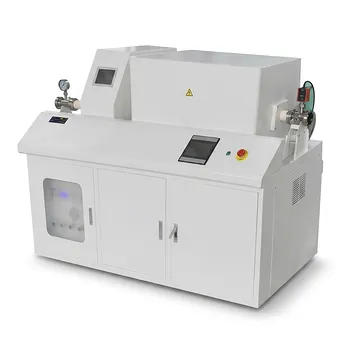
Chemical Vapor Deposition CVD System Slide PECVD Tube Furnace with Liquid Gasifier PECVD Machine
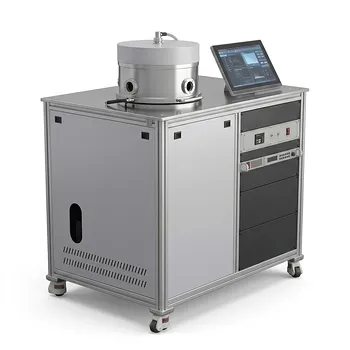
Inclined Rotary Plasma Enhanced Chemical Vapor Deposition PECVD System for Thin Film Deposition and Nanomaterial Synthesis
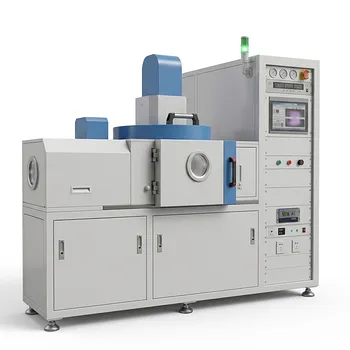
Radio Frequency Plasma Enhanced Chemical Vapor Deposition RF PECVD System for Laboratory and Industrial Thin Film Growth
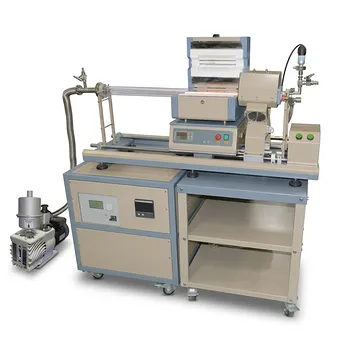
1200C Max Compact Auto-Sliding PECVD Furnace with 2 Inch Tube and Vacuum Pump
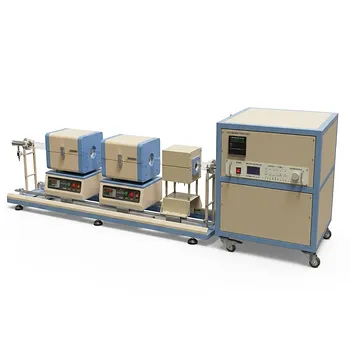
1200C Dual Sliding Tube Furnace with Dual Tubes and Flanges for PECVD Processes
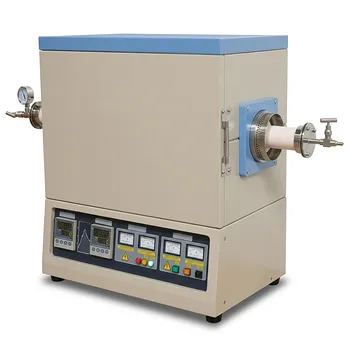
High Temperature 1700C Dual Zone Tube Furnace for Material Science and Industrial Chemical Vapor Deposition Research
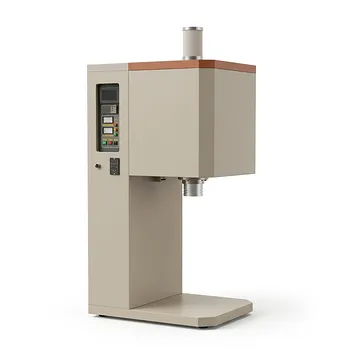
Vertical Openable Tube Furnace 0-1700c High Temperature Laboratory System for CVD and Vacuum Heat Treatment
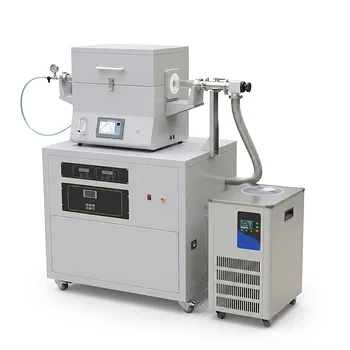
Split Chamber CVD Tube Furnace with Vacuum Station Chemical Vapor Deposition System Machine

High Temperature 1700C Tube Furnace with High Vacuum Turbomolecular Pump System and Multi Channel Mass Flow Controller Gas Mixer
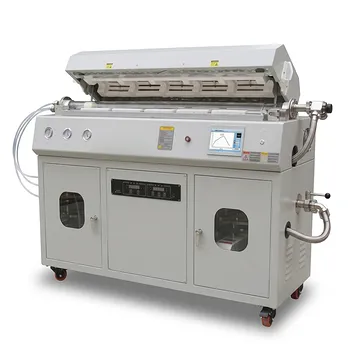
Multi Heating Zones CVD Tube Furnace System for Precision Chemical Vapor Deposition and Advanced Material Synthesis
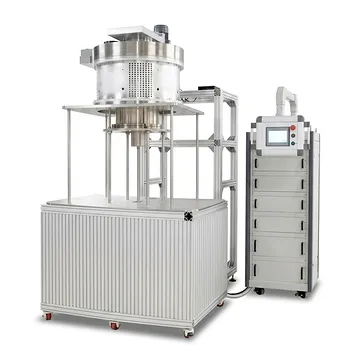
915MHz MPCVD Diamond Machine Microwave Plasma Chemical Vapor Deposition System Reactor
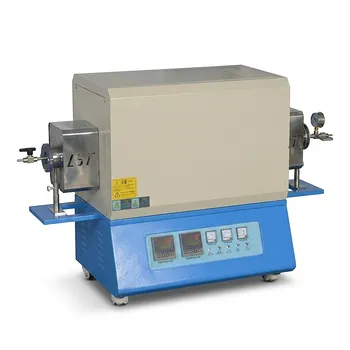
High Temperature Dual Zone Vacuum Tube Furnace for Material Research and CVD Processing
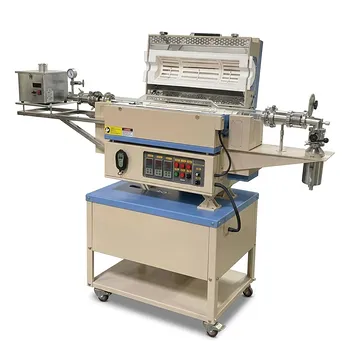
5 Inch Rotary Tube Furnace with Automatic Feeding and Receiving System 1200C Three Zone CVD Powder Processing
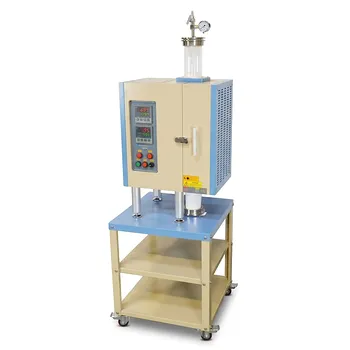
1100°C Dual Zone Split Vertical Tube Furnace with 4 Inch Quartz Tube and Vacuum Sealing Flanges
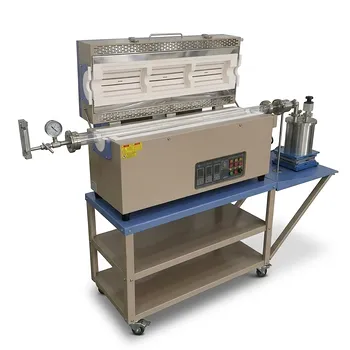
5 Inch Two Zone Rotary Tube Furnace 1100C for Powder CVD and Material Synthesis
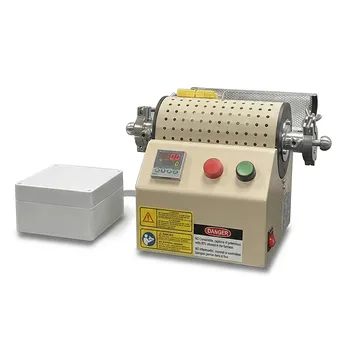
1000C Mini Tube Furnace with 20mm Quartz Tube and Vacuum Flanges for Material Science Research and Controlled Atmosphere Small Sample Processing
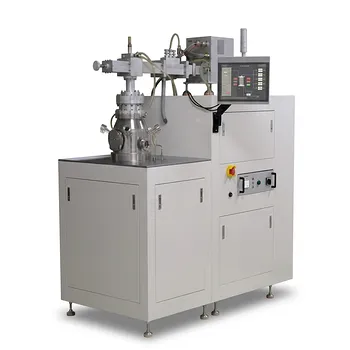
Cylindrical Resonator MPCVD Machine System for Microwave Plasma Chemical Vapor Deposition and Lab Diamond Growth
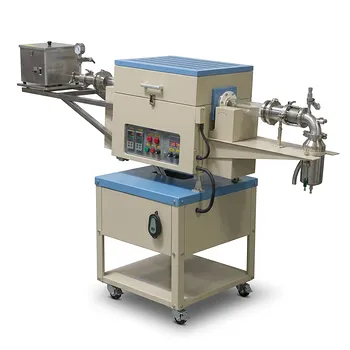
Two Zone Rotary CVD Furnace with Automatic Feeding and Receiving System for Powder Processing
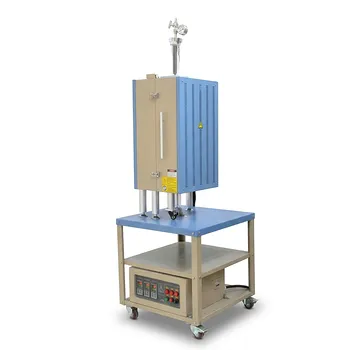
1200C Three Zone Vertical Tube Furnace with 2 Inch Quartz Tube and Vacuum Flanges