What unique value does a Drop Tube Furnace (DTF) provide? Real-time Slagging & Kinetic Analysis for Coal/SRF Blends
Updated 3 months ago
The Drop Tube Furnace (DTF) provides unique value by simulating the dynamic kinetic environment of an industrial boiler, which static empirical indices cannot replicate. While empirical indices rely on the chemical composition of ash at rest, a DTF captures the real-time interaction of fuel particles under extreme heating rates (10⁴–10⁵ K/s) and short residence times. This allows researchers to directly observe ash melting, deposition, and capture efficiency, providing a high-fidelity prediction of how coal and Solid Recovered Fuel (SRF) blends will actually behave on furnace walls.
Core Takeaway: A Drop Tube Furnace bridges the gap between theoretical ash chemistry and industrial reality by simulating the high-velocity, high-temperature kinetics of suspension combustion, enabling the direct measurement of slagging risks that empirical indices often miscalculate.
The Limitations of Static Empirical Indices
The Failure of Kinetic Representation
Empirical indices are typically derived from the chemical analysis of ash produced in a controlled, slow-heating environment. These indices are static and fail to account for the complex interactions that occur when coal and SRF are co-fired at high speeds. Because they ignore the kinetic processes of combustion, they often provide an incomplete or misleading picture of slagging potential in a live boiler.
Inadequacy for Complex Fuel Blends
Co-firing coal with SRF introduces diverse chemical species and varying particle sizes that react differently under heat. Static indices struggle to predict how these heterogeneous materials will interact during the transient phases of combustion. Without simulating the actual furnace atmosphere, these formulas cannot account for the synergistic effects that accelerate or inhibit slagging.
Simulating Industrial Combustion Conditions
High Heating Rates and Short Residence Times
A DTF replicates the extreme thermal shock experienced by fuel particles, reaching heating rates of 10⁴ to 10⁵ K/s. This is critical because the way ash forms and melts is heavily dependent on how quickly the particle reaches peak temperature. Furthermore, the DTF simulates short residence times (often less than 5 seconds), mirroring the rapid travel of particles through a utility boiler.
Controlled Flue Gas Atmospheres
The DTF allows for the precise manipulation of the air-fuel ratio and the resulting gas composition. By creating a quasi-one-dimensional reaction environment, researchers can isolate how specific flue gas atmospheres impact ash chemistry. This provides a level of experimental control that is impossible to achieve in a full-scale industrial furnace but far more accurate than a laboratory crucible.
Real-Time Observation of Slagging Behavior
Direct Capture of Deposition Dynamics
Unlike indices that guess slagging risk, a DTF allows for the direct observation of ash melting and adhesion. By using deposition probes placed within the furnace, researchers can physically collect and analyze the slag as it forms on a surface. This provides tangible data on capture efficiency, showing exactly what percentage of ash actually sticks to the heating surfaces.
Monitoring Aerosol and Fouling Processes
The DTF is a dynamic platform that can track the formation of aerosols and sub-micron particles. These fine particles often act as the "glue" for larger slag deposits, a phenomenon that empirical indices completely overlook. Observing these processes in real-time allows for a deeper understanding of fouling and slagging sequences during suspension combustion.
Understanding the Trade-offs
Complexity and Resource Requirements
While a DTF provides superior data, it is significantly more complex and expensive to operate than performing a standard ash fusion test for an empirical index. Setting up a DTF requires specialized equipment, precise calibration, and significant time to process small batches of fuel. Consequently, it is an intensive research tool rather than a quick, daily screening method for fuel quality.
Scale and Representative Sampling
The DTF operates on a much smaller scale than a commercial utility boiler, which can introduce sampling biases. Because only small amounts of fuel are tested, the results may not always capture the full variability of a large SRF stockpile. However, it remains far more accurate than Thermogravimetric Analysis (TGA), which lacks the heating rate necessary to simulate industrial reality.
Applying DTF Data to Your Combustion Strategy
Strategic Recommendations
The choice between using empirical indices or DTF simulation depends on the stage of your project and the complexity of your fuel blend.
- If your primary focus is initial fuel screening: Use empirical indices as a cost-effective way to flag potentially problematic coal and SRF batches before more intensive testing.
- If your primary focus is boiler life-cycle protection: Utilize DTF testing to determine the exact co-firing ratios that minimize slagging and prevent costly unplanned outages.
- If your primary focus is optimizing new fuel blends: Lean on DTF data to understand the kinetic behavior of non-standard SRF components that do not fit traditional empirical models.
By integrating the dynamic insights of a Drop Tube Furnace, operators can move beyond theoretical estimates to a data-driven understanding of furnace slagging.
Summary Table:
| Feature | Empirical Indices | Drop Tube Furnace (DTF) |
|---|---|---|
| Environment | Static / Slow-heating | Dynamic / High-velocity |
| Heating Rate | Low (Standard lab) | High (10⁴–10⁵ K/s) |
| Fuel Complexity | Struggles with SRF blends | Handles heterogeneous fuels |
| Data Type | Theoretical chemistry | Real-time ash deposition |
| Reliability | Estimated / Often misleading | High-fidelity simulation |
Optimize Your Thermal Research with THERMUNITS
Achieve unparalleled precision in your material science and industrial R&D projects. THERMUNITS is a leading manufacturer specializing in high-performance laboratory equipment, including specialized Drop Tube Furnaces, Muffle, Vacuum, and CVD/PECVD systems.
Whether you are analyzing complex coal/SRF co-firing kinetics or developing advanced thermal processes, our comprehensive range—from Rotary and Tube furnaces to Vacuum Induction Melting (VIM) and Hot Press systems—provides the reliability you need to bridge the gap between laboratory theory and industrial reality.
Ready to enhance your lab's efficiency and data accuracy? Contact our expert team today for a tailored solution!
References
- Hafizh Ghazidin, Arif Darmawan. Investigation of slagging-fouling tendency for high-sulfur coal and solid recovered fuel (SRF). DOI: 10.1088/1755-1315/1344/1/012003
Mentioned Products
- 1200C Dual Temperature Zone Slidable Tube Furnace for 2D Material Growth and TCVD Synthesis
- Double Temperature Zone Double Cover Tube Furnace for High Temperature CVD and Vacuum Annealing
- 1200C Max Three Zone Tube Furnace 6 Inch OD Max with Tube and Flange
- 1200C Tube Furnace with Internal Magnetic Sample Sliding for Direct Vaporizing Deposition and Rapid Thermal Processing
- Compact Vertical Split Quartz Tube Furnace with Stainless Steel Vacuum Flanges for Rapid Thermal Quenching and Controlled Atmosphere Material Processing
People Also Ask
- How is a dual-temperature zone tube furnace configured for MXene-based metal phosphides? Expert Synthesis Guide
- What is the function of a dual-zone tube furnace in CVD for 2D perovskites? Optimize Precision & Film Uniformity
- What are the technical advantages of a dual-zone tube furnace for phosphidation? Optimize Cobalt Nanowall Synthesis.
- What is the function of a high-precision dual-zone tube furnace in MAPbI3 deposition? Expert Perovskite Synthesis.
- Why is a double-temperature zone tube furnace utilized for the preparation of monolayer MoS2? Precision CVD Explained

Tech Team · ThermUnits
Last updated on Jun 03, 2026
Related Products
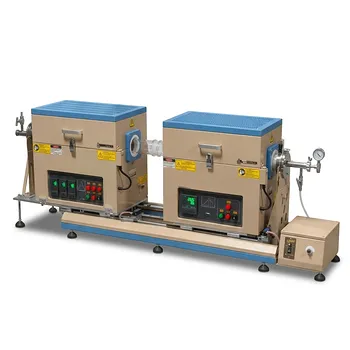
1200C Dual Temperature Zone Slidable Tube Furnace for 2D Material Growth and TCVD Synthesis
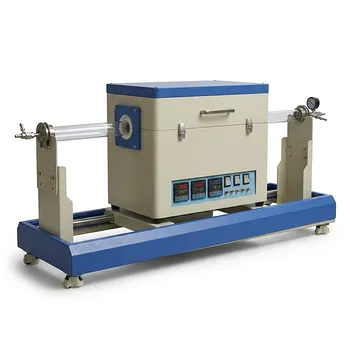
Double Temperature Zone Double Cover Tube Furnace for High Temperature CVD and Vacuum Annealing
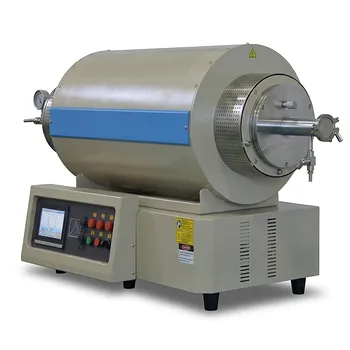
1200C Max Three Zone Tube Furnace 6 Inch OD Max with Tube and Flange
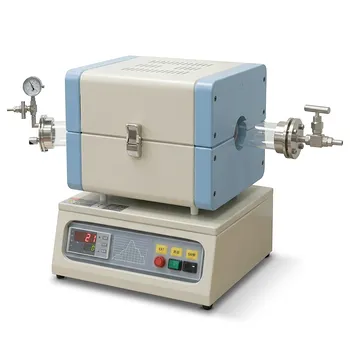
1200C Tube Furnace with Internal Magnetic Sample Sliding for Direct Vaporizing Deposition and Rapid Thermal Processing

Compact Vertical Split Quartz Tube Furnace with Stainless Steel Vacuum Flanges for Rapid Thermal Quenching and Controlled Atmosphere Material Processing
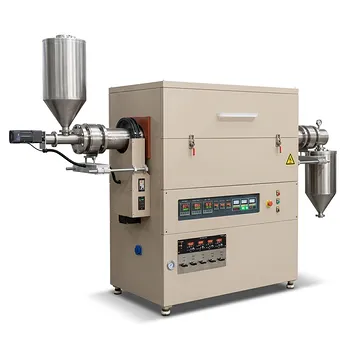
High Temperature Tilting Rotary Tube Furnace with Integrated Mass Flow Control and Multi Zone Heating
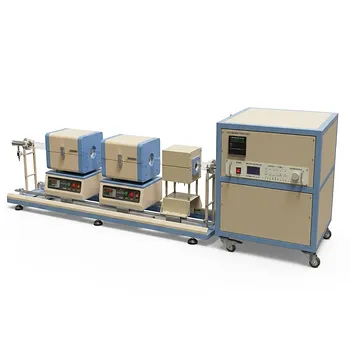
1200C Dual Sliding Tube Furnace with Dual Tubes and Flanges for PECVD Processes
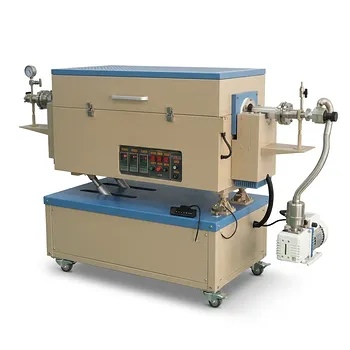
Three Zone Rotary Tube Furnace for High Temperature Powder Processing and Material Research
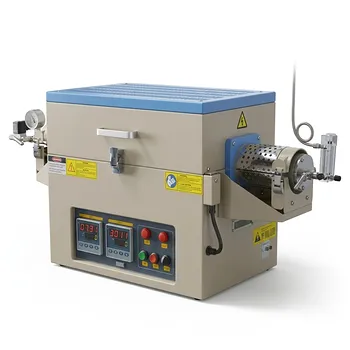
1100C Dual Zone Hydrogen Gas Tube Furnace with Quartz Tube and Integrated H2 Leak Detection System
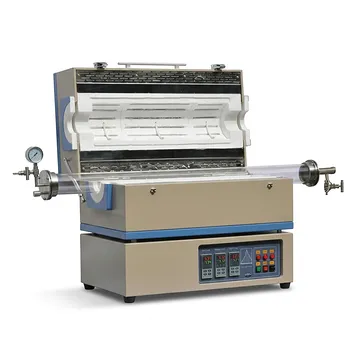
24 Inch Three Zone Split Tube Furnace with Optional Quartz Tube and Vacuum Flange System for High Temperature Material Synthesis
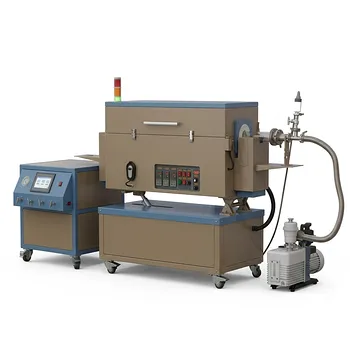
5 Inch Three Zone Rotary Tube Furnace with Integrated Gas Delivery System and 1200C Capability for Advanced Material CVD Processing
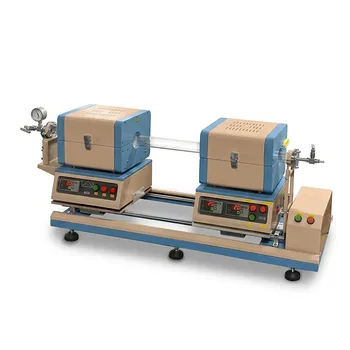
High Temperature 1200C Automatic Sliding Dual Zone Tube Furnace for 2D Transition Metal Dichalcogenides Growth and Material Sublimation Research
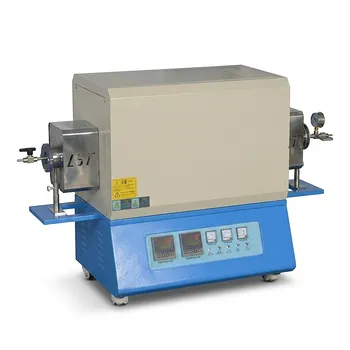
High Temperature Dual Zone Vacuum Tube Furnace for Material Research and CVD Processing
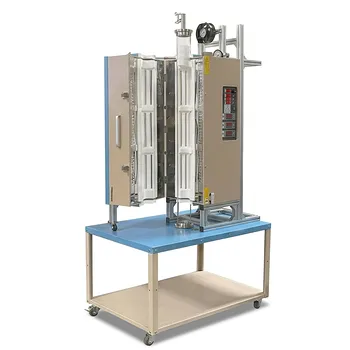
1200C Three Zone Split Vertical Tube Furnace 4 Inch Quartz Tube Stainless Steel Vacuum Flanges
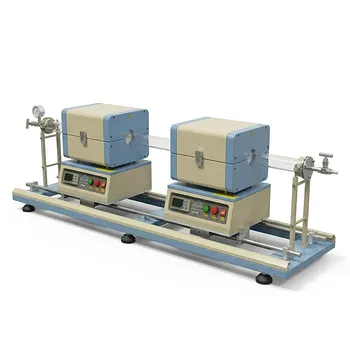
1200C Max Dual Sliding Tube Furnace with 50 mm Tube Flanges for CVD
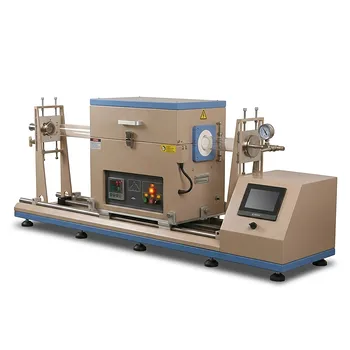
1200C Sliding Tube Furnace for Rapid Thermal Processing and CVD Graphene Growth with 100mm OD Capacity
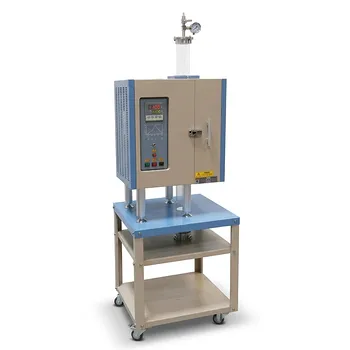
1100°C Split Vertical Tube Furnace with 80mm Quartz Tube and Stainless Steel Vacuum Flanges
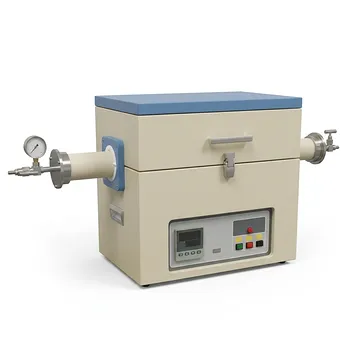
1250C Split Tube Furnace with 3 Inch Mullite Tube and Vacuum Sealing Flanges for Precision Thermal Processing
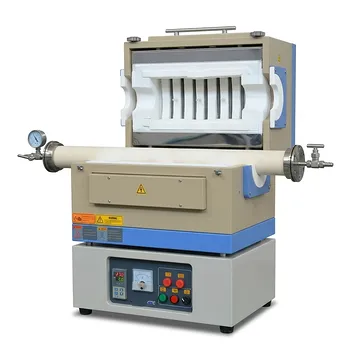
High Temperature 1600C Split Tube Furnace Vacuum Flanges Valves Optional 60mm 80mm Alumina Tube
