Which precursor gases are commonly used for depositing silicon nitride and silicon dioxide via PECVD? Expert Selection Guide
Updated 5 months ago
Depositing silicon nitride and silicon dioxide via Plasma Enhanced Chemical Vapor Deposition (PECVD) relies on specific precursor chemistries to achieve high-quality thin films. For silicon nitride ($SiN_x:H$), the most common precursors are silane ($SiH_4$) mixed with either ammonia ($NH_3$) or nitrogen ($N_2$). Silicon dioxide ($SiO_2$) is typically deposited using silane and oxygen ($O_2$), or through the decomposition of Tetraethyl Orthosilicate (TEOS) in the presence of oxygen.
Core Takeaway: Precursor selection in PECVD determines not only the chemical composition of the film but also the level of hydrogen incorporation, which is a critical factor for surface passivation in semiconductor and solar cell manufacturing.
Depositing Silicon Nitride ($SiN_x:H$)
The Silane and Ammonia Combination
The industry standard for silicon nitride involves reacting silane ($SiH_4$) with ammonia ($NH_3$). This reaction is highly efficient at low temperatures because the plasma provides the energy necessary to break molecular bonds that would otherwise require high thermal heat.
The Role of Hydrogen Passivation
A significant amount of hydrogen from the $SiH_4$ and $NH_3$ precursors remains embedded in the film. For photovoltaic applications, this hydrogen migrates to the silicon interface to passivate dangling bonds, which significantly increases the open-circuit voltage ($V_{oc}$) and overall efficiency of the solar cell.
Using Nitrogen as an Alternative
In some processes, nitrogen ($N_2$) is used instead of ammonia as the nitrogen source. While this can reduce the total hydrogen content in the film, it often requires higher plasma power to effectively dissociate the strong triple bond of the $N_2$ molecule.
Depositing Silicon Dioxide ($SiO_2$)
Silane-Based Oxidation
For rapid deposition of silicon dioxide, a mixture of silane ($SiH_4$) and oxygen ($O_2$) (or sometimes nitrous oxide, $N_2O$) is used. This path is favored for applications requiring high deposition rates at temperatures typically below 400°C.
TEOS-Based Deposition
Tetraethyl Orthosilicate (TEOS) is a common liquid precursor used in conjunction with oxygen plasma. TEOS is often preferred when superior step coverage and film uniformity are required over complex or high-aspect-ratio topography.
Precision Control of Film Properties
By adjusting the flow rates of these precursor gases alongside plasma power and pressure, engineers can precisely tune the refractive index and thickness of the layers. This level of control is essential for creating effective anti-reflection coatings (ARC) in optical devices.
Understanding the Trade-offs
Hydrogen Content vs. Film Stability
While hydrogen is beneficial for passivation in solar cells, excessive hydrogen can lead to film instability or "bubbling" during subsequent high-temperature processing steps. Engineers must balance the precursor flow to achieve the desired electronic benefits without compromising the physical integrity of the film.
Safety and Handling Considerations
Silane is a pyrophoric gas that ignites spontaneously in air, requiring sophisticated gas delivery and safety systems. In contrast, TEOS is a stable liquid at room temperature, making it safer to store, though it requires specialized vaporizers or "bubblers" to introduce it into the PECVD vacuum chamber.
Precursor-Induced Contamination
Using ammonia as a nitrogen source can sometimes introduce more hydrogen than desired for certain microelectronic applications. Conversely, using oxygen with silane can lead to gas-phase reactions (known as "silane dust") if the pressure and flow ratios are not strictly controlled.
Selecting the Right Precursor for Your Goal
Selecting the appropriate gas chemistry depends entirely on the thermal budget of your substrate and the required electronic properties of the film.
- If your primary focus is solar cell passivation: Use the silane and ammonia pathway to ensure high hydrogen content for defect neutralization.
- If your primary focus is high-quality anti-reflection coatings: Utilize silane and nitrogen while carefully tuning gas flow ratios to achieve the exact refractive index needed.
- If your primary focus is conformal coating over complex structures: Prioritize TEOS and oxygen to ensure uniform thickness across vertical and horizontal surfaces.
- If your primary focus is high-speed dielectric insulation: Opt for silane and oxygen to maximize deposition throughput at lower temperatures.
The strategic choice of precursor gases allows PECVD to remain the most versatile tool for thin-film engineering across the semiconductor and renewable energy industries.
Summary Table:
| Film Type | Common Precursors | Primary Benefit | Typical Application |
|---|---|---|---|
| Silicon Nitride ($SiN_x:H$) | $SiH_4$ + $NH_3$ | Excellent surface passivation | Solar cells (PV) |
| Silicon Nitride ($SiN_x$) | $SiH_4$ + $N_2$ | Reduced hydrogen content | Microelectronics |
| Silicon Dioxide ($SiO_2$) | $SiH_4$ + $O_2$ / $N_2O$ | High deposition rates | Dielectric insulation |
| Silicon Dioxide ($SiO_2$) | TEOS + $O_2$ | Superior step coverage | High-aspect-ratio structures |
Elevate Your Thin-Film Research with THERMUNITS
Achieving precise film properties in PECVD processes requires reliable thermal control and high-performance equipment. THERMUNITS is a leading manufacturer of high-temperature laboratory equipment for material science and industrial R&D. We empower researchers with a comprehensive range of thermal processing solutions designed for precision and durability.
Our specialized product lineup includes:
- CVD/PECVD Systems for advanced material deposition.
- Muffle, Vacuum, Atmosphere, Tube, and Rotary Furnaces.
- Hot Press Furnaces and Vacuum Induction Melting (VIM) systems.
- Dental Furnaces, Electric Rotary Kilns, and high-quality Thermal Elements.
Whether you are optimizing solar cell passivation or developing next-generation semiconductors, THERMUNITS provides the expertise and equipment to ensure your success. Contact our technical team today to find the perfect solution for your lab!
Mentioned Products
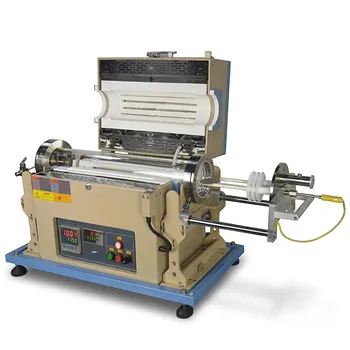
- Chemical Vapor Deposition CVD System Slide PECVD Tube Furnace with Liquid Gasifier PECVD Machine
- Inclined Rotary Plasma Enhanced Chemical Vapor Deposition PECVD System for Thin Film Deposition and Nanomaterial Synthesis
- Radio Frequency Plasma Enhanced Chemical Vapor Deposition RF PECVD System for Laboratory and Industrial Thin Film Growth
- 1200C Max Compact Auto-Sliding PECVD Furnace with 2 Inch Tube and Vacuum Pump
- 1200C Dual Sliding Tube Furnace with Dual Tubes and Flanges for PECVD Processes
People Also Ask
- What are the advantages of PECVD systems for nano flame retardant films? Protect Heat-Sensitive Polymers with Precision
- How does a sliding rail design benefit the CVD process within a furnace ventilation hood? Enhance Control & Quenching
- What is the role of CVD/PECVD systems in the research of optoelectronic materials and functional coatings? Expert Guide
- How does PECVD differ from conventional thermal CVD? Key Advantages of Low-Temperature Deposition for R&D
- What role do by-product desorption and evacuation play in CVD film quality? Key Factors for High-Purity Films

Tech Team · ThermUnits
Last updated on Apr 14, 2026
Related Products
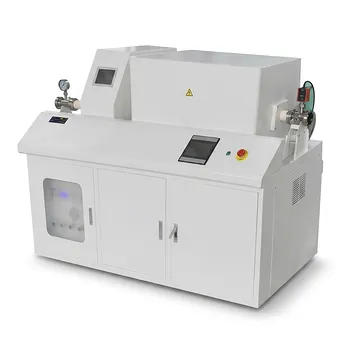
Chemical Vapor Deposition CVD System Slide PECVD Tube Furnace with Liquid Gasifier PECVD Machine
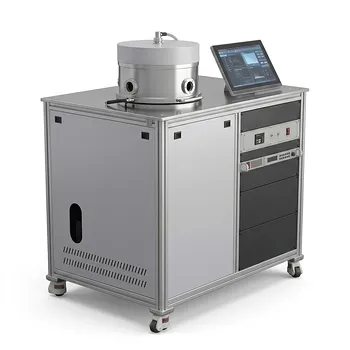
Inclined Rotary Plasma Enhanced Chemical Vapor Deposition PECVD System for Thin Film Deposition and Nanomaterial Synthesis
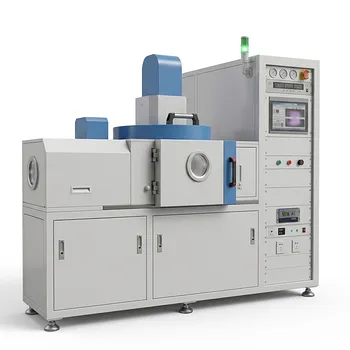
Radio Frequency Plasma Enhanced Chemical Vapor Deposition RF PECVD System for Laboratory and Industrial Thin Film Growth
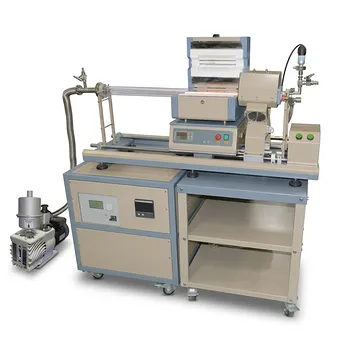
1200C Max Compact Auto-Sliding PECVD Furnace with 2 Inch Tube and Vacuum Pump
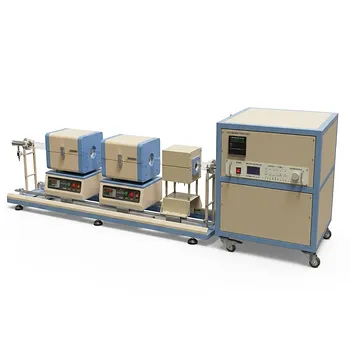
1200C Dual Sliding Tube Furnace with Dual Tubes and Flanges for PECVD Processes
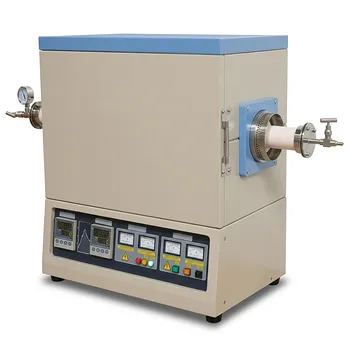
High Temperature 1700C Dual Zone Tube Furnace for Material Science and Industrial Chemical Vapor Deposition Research
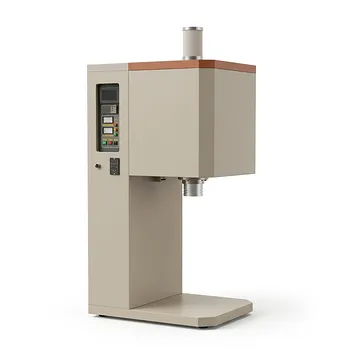
Vertical Openable Tube Furnace 0-1700c High Temperature Laboratory System for CVD and Vacuum Heat Treatment
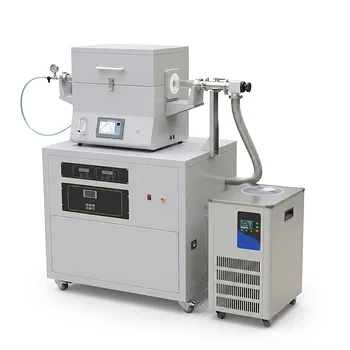
Split Chamber CVD Tube Furnace with Vacuum Station Chemical Vapor Deposition System Machine

High Temperature 1700C Tube Furnace with High Vacuum Turbomolecular Pump System and Multi Channel Mass Flow Controller Gas Mixer
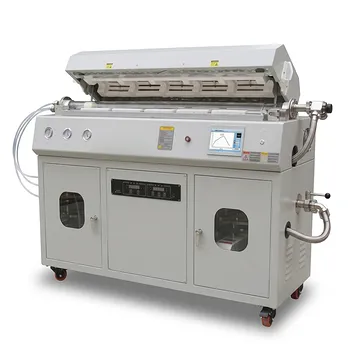
Multi Heating Zones CVD Tube Furnace System for Precision Chemical Vapor Deposition and Advanced Material Synthesis
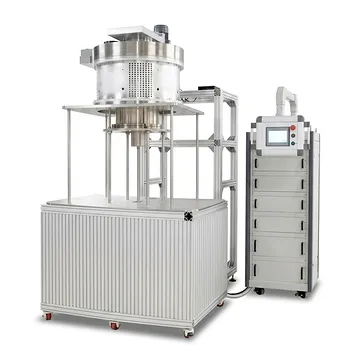
915MHz MPCVD Diamond Machine Microwave Plasma Chemical Vapor Deposition System Reactor
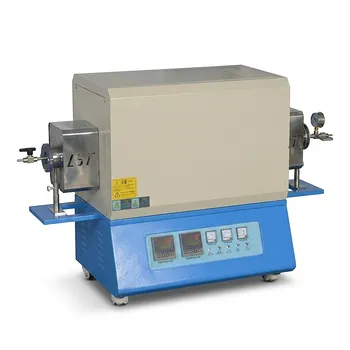
High Temperature Dual Zone Vacuum Tube Furnace for Material Research and CVD Processing
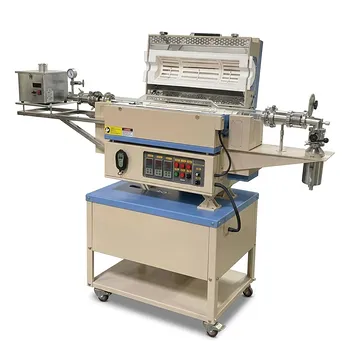
5 Inch Rotary Tube Furnace with Automatic Feeding and Receiving System 1200C Three Zone CVD Powder Processing
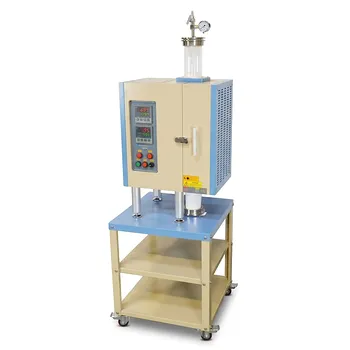
1100°C Dual Zone Split Vertical Tube Furnace with 4 Inch Quartz Tube and Vacuum Sealing Flanges
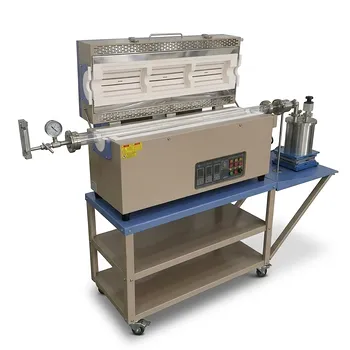
5 Inch Two Zone Rotary Tube Furnace 1100C for Powder CVD and Material Synthesis
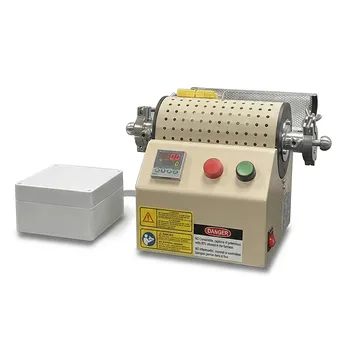
1000C Mini Tube Furnace with 20mm Quartz Tube and Vacuum Flanges for Material Science Research and Controlled Atmosphere Small Sample Processing
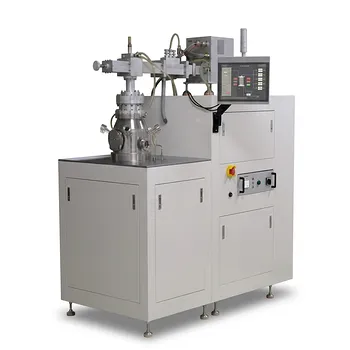
Cylindrical Resonator MPCVD Machine System for Microwave Plasma Chemical Vapor Deposition and Lab Diamond Growth
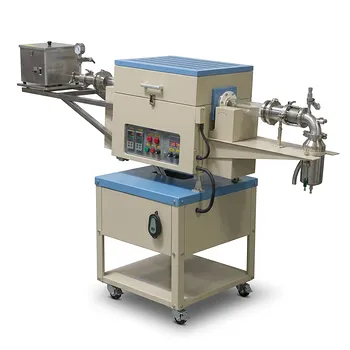
Two Zone Rotary CVD Furnace with Automatic Feeding and Receiving System for Powder Processing
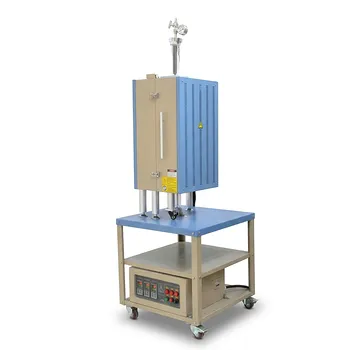
1200C Three Zone Vertical Tube Furnace with 2 Inch Quartz Tube and Vacuum Flanges