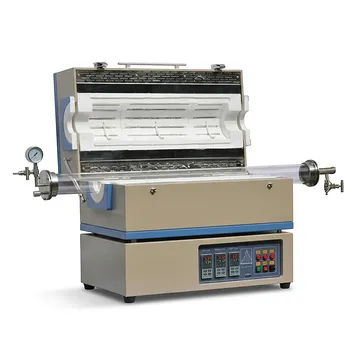
Why is a Drop-tube Furnace commonly used to study slagging behavior during biomass co-combustion? Replicate Boiler Reality
Updated 6 months ago
The Drop-tube Furnace (DTF) is the preferred tool for studying slagging because it accurately replicates the extreme thermal and kinetic conditions found inside industrial boilers. It subjects coal and biomass particles to high heating rates (typically $10^4$ to $10^5$ K/s) and short residence times, allowing researchers to observe real-time ash melting and adhesion that static laboratory tests cannot capture.
By simulating the dynamic reaction environment of a utility boiler, the Drop-tube Furnace bridges the gap between lab-scale chemical analysis and industrial-scale operational reality. It provides a precise platform to assess how different biomass co-combustion ratios influence ash deposition and slagging risks.
Simulating Industrial Realities
High-Intensity Thermal Environments
DTFs achieve isothermal temperatures up to 1500°C, mirroring the intense heat found in the furnace zones of large-scale boilers. This ensures that the chemical reactions and phase changes in ash occur just as they would during actual power generation.
Extreme Heating Rates
Biomass particles experience "flash" heating rates of $10^4$ to $10^5$ K/s as they pass through the furnace. This rapid temperature spike is critical for understanding the immediate melting and "stickiness" of ash particles during suspension combustion.
Representative Residence Times
The equipment mimics the short residence times characteristic of pulverized fuel combustion. This allows researchers to analyze thermal decomposition dynamics at a microsecond scale, providing a more realistic view of particle behavior.
Dynamic Slagging Observations
Moving Beyond Static Indices
Traditional empirical indices rely on static ash analysis, which often fails to account for the kinetic forces at play during active combustion. DTFs allow for the observation of dynamic deposition behavior, capturing how ash actually hits and sticks to surfaces in motion.
Real-Time Deposition Monitoring
By placing deposition probes inside the high-temperature zone, researchers can observe the melting and adhesion characteristics of different ash compositions. This enables the direct measurement of ash capture efficiency and slagging risks on boiler heating surfaces.
Analyzing Complex Fuel Blends
DTFs provide a stable environment to study how high-sulfur coal interacts with various biomass wastes, such as sawdust or rice husks. This helps in determining the optimal co-combustion ratios to minimize fouling and aerosol formation.
Understanding the Trade-offs
Scale and Turbulence Limitations
While DTFs provide excellent data on individual particle behavior, they utilize a quasi-one-dimensional flow. This simplifies the environment, meaning it may not fully capture the complex, chaotic turbulence found in full-scale industrial boilers.
Sample Quantity Constraints
Because DTFs are laboratory-scale instruments, they produce relatively small amounts of ash. Collecting enough material for exhaustive post-combustion chemical analysis can be time-consuming compared to bulk static heating methods.
Operational Complexity
Maintaining a stable isothermal environment and precise gas distribution requires high-precision equipment and careful calibration. This makes DTF experiments more resource-intensive than traditional muffle furnace tests.
How to Apply This to Your Research
If you are looking to optimize your combustion process, the DTF provides the specific data needed to balance fuel efficiency with equipment longevity.
- If your primary focus is predicting boiler maintenance cycles: Use DTF data to identify the exact "stickiness" temperature of your fuel blend to prevent unexpected slagging.
- If your primary focus is optimizing fuel costs: Utilize the DTF to test higher ratios of cheaper biomass wastes to see where the threshold for unmanageable ash deposition lies.
- If your primary focus is emissions reduction: Use the controlled atmosphere of the DTF to measure how different air-fuel ratios impact both slagging behavior and pollutant formation simultaneously.
The Drop-tube Furnace remains the gold standard for transforming theoretical ash chemistry into actionable industrial insights.
Summary Table:
| Key Feature | Industrial Boilers Parallel | Drop-tube Furnace (DTF) Benefit |
|---|---|---|
| Heating Rate | $10^4$ to $10^5$ K/s | Replicates "flash" heating of particles |
| Temperature | Up to 1500°C | Isothermal control for phase change analysis |
| Residence Time | Microseconds to seconds | Matches short pulverized fuel combustion cycles |
| Slagging Analysis | Dynamic ash deposition | Real-time monitoring via deposition probes |
| Fuel Flexibility | Complex coal/biomass blends | Precise testing of co-combustion ratios |
Elevate Your Combustion Research with THERMUNITS
Precision is the foundation of breakthrough material science. THERMUNITS is a leading manufacturer of high-temperature laboratory equipment, providing the advanced thermal processing solutions needed for rigorous industrial R&D and academic study.
Whether you are analyzing biomass slagging behavior or developing next-generation materials, our comprehensive range of equipment ensures unmatched accuracy and reliability:
- Advanced Furnaces: Muffle, Vacuum, Atmosphere, Tube, Rotary, and Hot Press furnaces.
- Specialized Systems: CVD/PECVD systems, Dental Furnaces, and Electric Rotary Kilns.
- Industrial R&D Tools: Vacuum Induction Melting (VIM) furnaces and high-quality Thermal Elements.
Ready to optimize your heat treatment processes? Contact THERMUNITS today to discuss your specific requirements and let our experts help you find the perfect high-temperature solution for your laboratory.
References
- Miguel Doria Oviedo, Jesús D. Rhenals-Julio. EFFECT OF BIOMASS ADDITION ON SOX, NOX, AND CO2 EMISSIONS DURING COFIRING OF PULVERIZED COAL. DOI: 10.35741/issn.0258-2724.59.4.8
Mentioned Products
- Compact Split Tube Furnace with Integrated Vacuum System and Precision Temperature Calibrator
- 1200C Sliding Tube Furnace for Rapid Thermal Processing and CVD Graphene Growth with 100mm OD Capacity
- Compact Split Tube Furnace with Insertable Temperature Calibrator and Integrated Vacuum System
- 1200C Tube Furnace with Internal Magnetic Sample Sliding for Direct Vaporizing Deposition and Rapid Thermal Processing
- Compact Vertical Split Quartz Tube Furnace with Stainless Steel Vacuum Flanges for Rapid Thermal Quenching and Controlled Atmosphere Material Processing
People Also Ask
- What is the primary engineering purpose for using a customized ventilation hood when operating a split tube furnace? RCF Safety
- How does a split tube furnace contribute to the thermal stabilization of Clignin@H-TiO2? Achieve Structural Precision
- What are the specific advantages and use cases for a split tube furnace? Optimize Lab Efficiency & Material Research
- What are the advantages of using a split tube furnace for heating a catalytic reactor? Boost Efficiency and Precision
- How does a split tube furnace facilitate debinding of ceramic green bodies? Master Precise Thermal & Atmosphere Control

Tech Team · ThermUnits
Last updated on Apr 14, 2026
Related Products
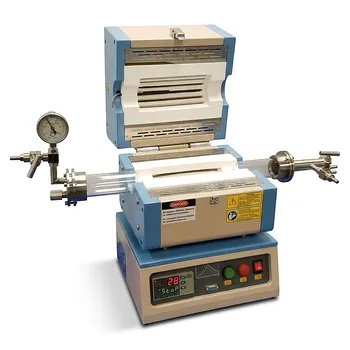
Compact Split Tube Furnace with Integrated Vacuum System and Precision Temperature Calibrator
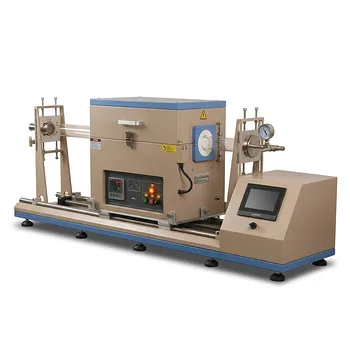
1200C Sliding Tube Furnace for Rapid Thermal Processing and CVD Graphene Growth with 100mm OD Capacity
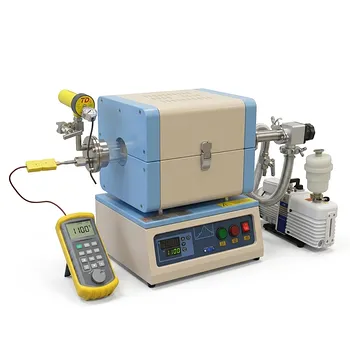
Compact Split Tube Furnace with Insertable Temperature Calibrator and Integrated Vacuum System
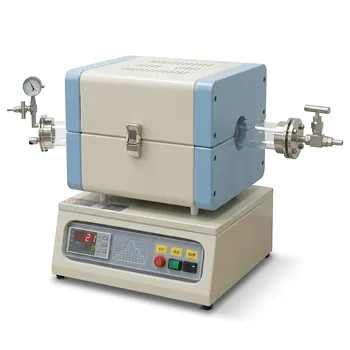
1200C Tube Furnace with Internal Magnetic Sample Sliding for Direct Vaporizing Deposition and Rapid Thermal Processing
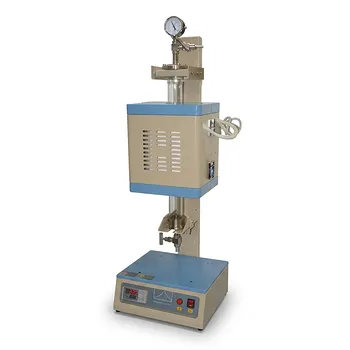
Compact Vertical Split Quartz Tube Furnace with Stainless Steel Vacuum Flanges for Rapid Thermal Quenching and Controlled Atmosphere Material Processing
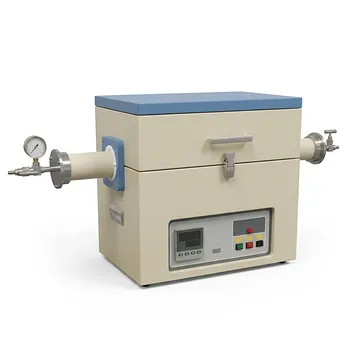
1250C Split Tube Furnace with 3 Inch Mullite Tube and Vacuum Sealing Flanges for Precision Thermal Processing
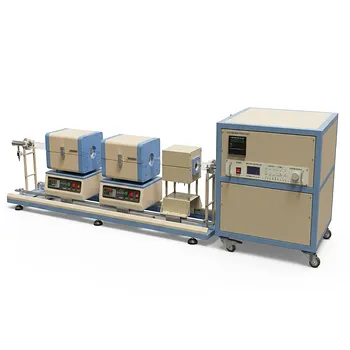
1200C Dual Sliding Tube Furnace with Dual Tubes and Flanges for PECVD Processes
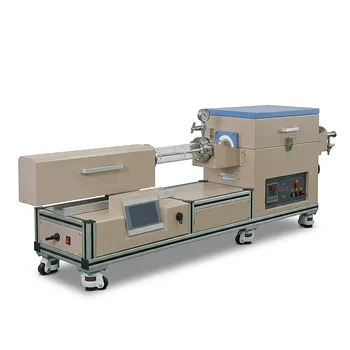
1200C Sliding Internal Crucible Tube Furnace for Controlled Atmosphere Thin Film Deposition and Material Sublimation Research
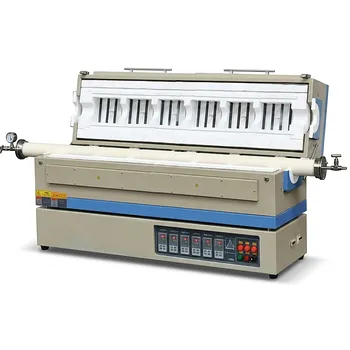
High Temperature 1700C Six Zone Split Tube Furnace with Alumina Tube and Water Cooled Flanges
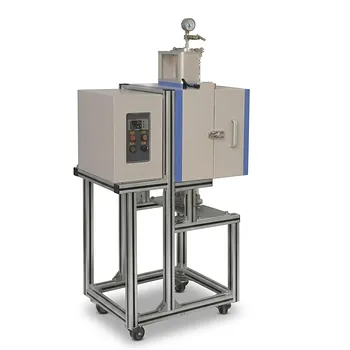
1200°C 5 Inch Vertical Quartz Tube Furnace with Stainless Steel Vacuum Flanges
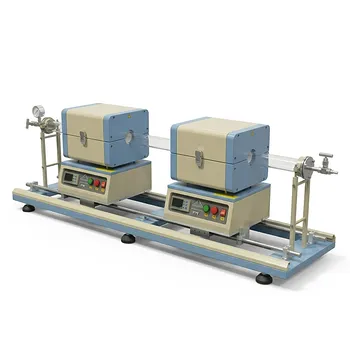
1200C Max Dual Sliding Tube Furnace with 50 mm Tube Flanges for CVD
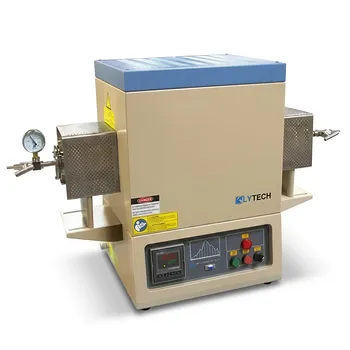
1800C High Temperature Compact Vacuum Tube Furnace with 60mm OD Alumina Tube and Kanthal MoSi2 Heating Elements
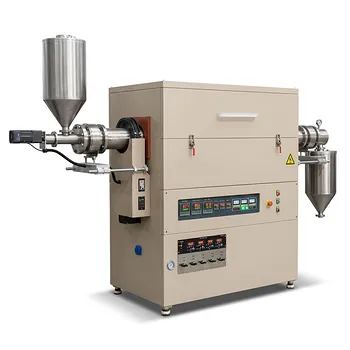
High Temperature Tilting Rotary Tube Furnace with Integrated Mass Flow Control and Multi Zone Heating
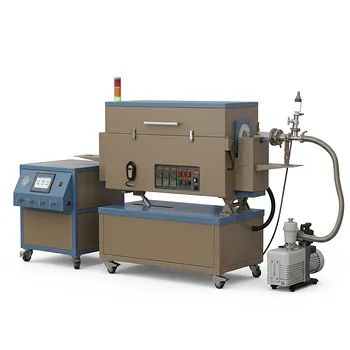
5 Inch Three Zone Rotary Tube Furnace with Integrated Gas Delivery System and 1200C Capability for Advanced Material CVD Processing
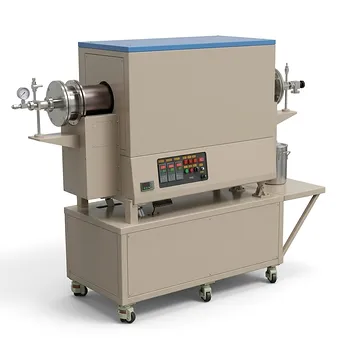
900°C Max Rotary Tube Furnace with 8 Inch 310S Alloy Tube and Optional Multi Zone Heating for Industrial Material Calcination
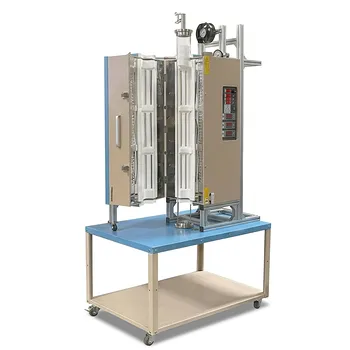
1200C Three Zone Split Vertical Tube Furnace 4 Inch Quartz Tube Stainless Steel Vacuum Flanges
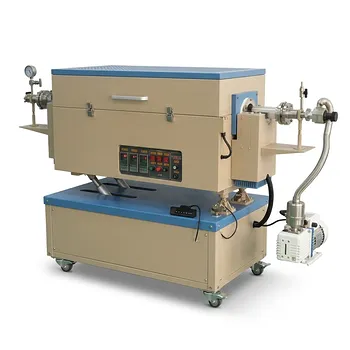
Three Zone Rotary Tube Furnace for High Temperature Powder Processing and Material Research
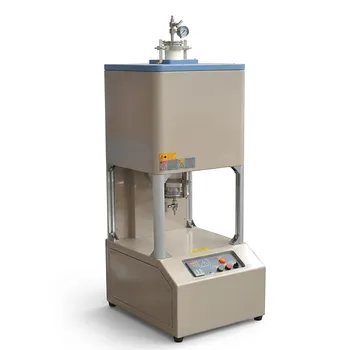
Vertical 1700C Vacuum and Atmosphere Tube Furnace with 80mm Alumina Tube
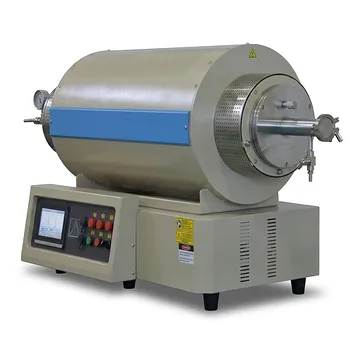
1200C Max Three Zone Tube Furnace 6 Inch OD Max with Tube and Flange