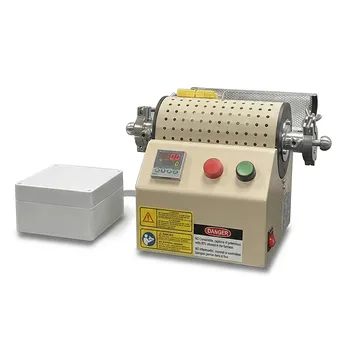
Why use a tube furnace for 500°C AZO thin film annealing? Enhance material structure and electrical performance.
Updated 3 months ago
Annealing Aluminum-doped Zinc Oxide (AZO) thin films at 500°C in a high-temperature tube furnace is the critical step for transforming a raw, electrochemically deposited layer into a functional semiconductor. This process provides the necessary thermal energy to eliminate internal stresses and facilitate the recrystallization of the material. By enabling Aluminum ions ($Al^{3+}$) to effectively substitute Zinc sites in the crystal lattice, the furnace significantly enhances the film’s crystalline quality, carrier concentration, and thermoelectric performance.
The high-temperature tube furnace acts as a controlled reactor that reorganizes the material at an atomic level. This treatment is essential to transition the film from a high-stress, potentially disordered state into a stable, highly conductive, and crystalline structure.
Structural Transformation and Stress Relief
Thermal Energy for Recrystallization
Electrochemical deposition often results in thin films that lack a perfectly ordered crystal structure. The tube furnace provides a constant 500°C environment, giving the atoms within the AZO film sufficient energy for thermal diffusion and lattice rearrangement.
Eliminating Internal Stresses
The deposition process inherently generates internal mechanical stresses that can compromise film integrity. High-temperature annealing allows these stresses to relax, preventing micro-cracks and ensuring the mechanical stability of the film on its substrate.
Improving Crystalline Quality
By maintaining a stable thermal environment, the furnace promotes the growth of larger, more uniform grains. This reduction in grain boundaries minimizes electron scattering, which is vital for improving the overall mobility of charge carriers within the AZO layer.
Optimizing Electrical and Thermoelectric Properties
Facilitating Dopant Substitution
For Aluminum to act as an effective dopant, $Al^{3+}$ ions must replace Zinc atoms within the lattice rather than sitting in interstitial spaces. The 500°C environment provides the energy required for this effective substitution, which is the primary driver for increasing the material’s carrier concentration.
Enhancing the Power Factor
The primary goal of annealing AZO is often to optimize its thermoelectric power factor. By simultaneously improving the crystallinity (which affects mobility) and the dopant activation (which affects carrier density), the furnace ensures the film can efficiently convert thermal gradients into electrical voltage.
Atmosphere Control and Chemical Stability
Tube furnaces allow for a controlled atmosphere, such as air or inert gases, which is necessary to stabilize the crystal structure and electrical properties. This control ensures that the transformation into a metal oxide is complete and that unwanted nitrogen or precursor residuals are removed.
Understanding the Trade-offs
The Risk of Grain Overgrowth
While higher temperatures generally improve crystallinity, excessive heat can lead to grain overgrowth. If grains become too large or irregular, it can lead to surface roughness issues that interfere with the performance of optoelectronic devices.
Thermal Expansion Mismatch
A significant pitfall at 500°C is the potential for a thermal expansion mismatch between the AZO thin film and the underlying substrate. If the cooling process is not strictly controlled within the tube furnace, the resulting strain can cause the film to peel or delaminate.
Oxygen Vacancy Management
The presence of oxygen during annealing can decrease the number of oxygen vacancies, which are often responsible for secondary conductivity in AZO. Depending on the intended use, an air-rich environment might inadvertently lower the conductivity while improving optical transparency.
How to Apply This to Your Project
Recommendations Based on Your Goal
- If your primary focus is Maximum Conductivity: Prioritize the effective substitution of $Al^{3+}$ by ensuring the furnace maintains a precise 500°C setpoint to maximize dopant activation.
- If your primary focus is Optical Transparency: Perform the annealing in a stable air atmosphere within the furnace to ensure full conversion to the metal oxide phase and reduce metallic clusters.
- If your primary focus is Mechanical Durability: Use the tube furnace’s programmable cooling functions to implement a slow "ramp-down" phase, which prevents structural failure due to thermal shock.
Ultimately, the high-temperature tube furnace serves as the definitive tool for engineering the atomic architecture and functional efficiency of AZO thin films.
Summary Table:
| Annealing Aspect | Impact on AZO Thin Films |
|---|---|
| Recrystallization | Provides energy for thermal diffusion and lattice rearrangement. |
| Stress Relief | Relaxes internal mechanical stresses to prevent micro-cracks. |
| Dopant Activation | Facilitates $Al^{3+}$ substitution in Zinc sites for higher conductivity. |
| Atmosphere Control | Ensures chemical stability and removes unwanted precursors. |
| Grain Growth | Optimizes grain size to minimize electron scattering and improve mobility. |
Precision Thermal Solutions for Your Material Science Research
Achieving the perfect 500°C annealing environment for AZO thin films requires absolute temperature uniformity and atmospheric control. THERMUNITS is a leading manufacturer of high-performance laboratory equipment designed specifically for advanced material R&D.
Our comprehensive range of thermal processing solutions includes:
- Tube & Atmosphere Furnaces: Perfect for precise AZO and semiconductor annealing.
- CVD/PECVD Systems: For advanced thin-film deposition and growth.
- Muffle, Vacuum, & Rotary Furnaces: For diverse heat treatment needs.
- Specialized Equipment: Including Vacuum Induction Melting (VIM) and Hot Press furnaces.
Whether you are focusing on thermoelectric power factors or optical transparency, THERMUNITS provides the reliability your project demands. Contact our technical experts today to find the ideal furnace configuration for your laboratory.
References
- Mustafa Majid Rashak Al-Fartoos, Asif Ali Tahir. A semi-transparent thermoelectric glazing nanogenerator with aluminium doped zinc oxide and copper iodide thin films. DOI: 10.1038/s44172-024-00291-4
Mentioned Products
- 1200C Sliding Internal Crucible Tube Furnace for Controlled Atmosphere Thin Film Deposition and Material Sublimation Research
- Double Temperature Zone Double Cover Tube Furnace for High Temperature CVD and Vacuum Annealing
- 1200C High Throughput Multi Channel Tube Furnace with 50mm Quartz Tubes for Annealing and Material Phase Diagram Research
- 950C Rapid Thermal Processing Furnace for 12 Inch Wafer CSS Coating with Rotating Substrate Holder
- High Throughput 1200C Four Channel Tube Furnace with 3 Inch Quartz Tubes for Multi Zone Annealing and Material Research
People Also Ask
- What are the advantages of a tube atmosphere furnace for CdS thin films? Enhance Crystallinity & Prevent Sulfur Loss
- Why is an atmosphere tube furnace considered core equipment for CVD? Essential for Precision Thin-Film & 2D Materials
- Why is an atmosphere-controlled tube furnace required for the annealing of Sb2S3? Optimize Semi-conductor Performance
- How does a slanted tube furnace contribute to the crystal growth of Sr4Os3O12? Optimize Thermal Fields and Purity
- Why must deposited LiMn2O4 thin films undergo annealing in a digital tube furnace? Unlock High-Performance Cathodes

Tech Team · ThermUnits
Last updated on Jun 03, 2026
Related Products
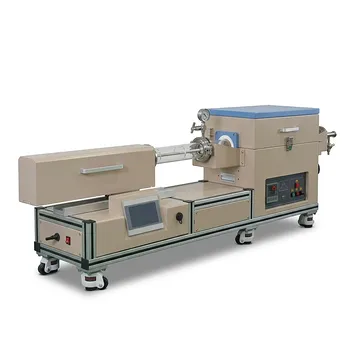
1200C Sliding Internal Crucible Tube Furnace for Controlled Atmosphere Thin Film Deposition and Material Sublimation Research
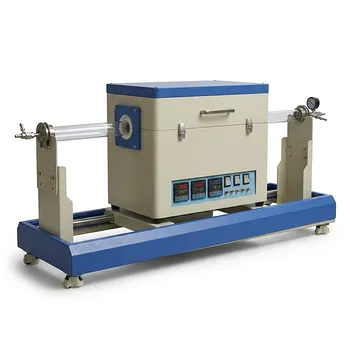
Double Temperature Zone Double Cover Tube Furnace for High Temperature CVD and Vacuum Annealing
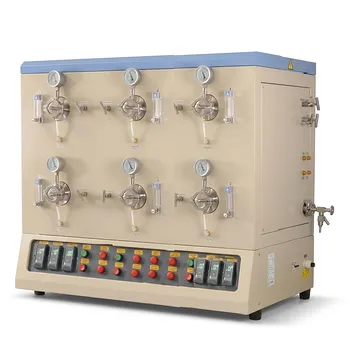
1200C High Throughput Multi Channel Tube Furnace with 50mm Quartz Tubes for Annealing and Material Phase Diagram Research
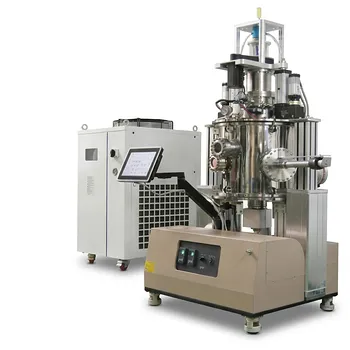
950C Rapid Thermal Processing Furnace for 12 Inch Wafer CSS Coating with Rotating Substrate Holder
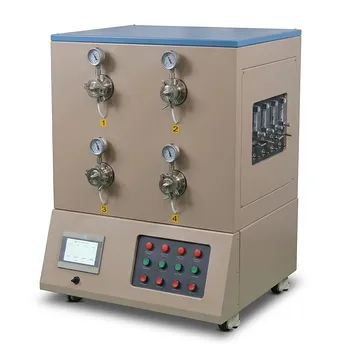
High Throughput 1200C Four Channel Tube Furnace with 3 Inch Quartz Tubes for Multi Zone Annealing and Material Research
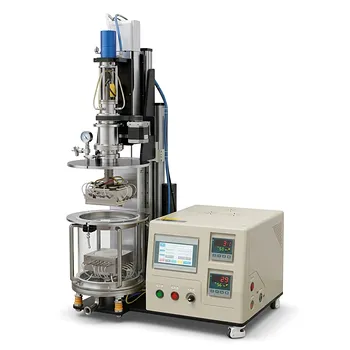
High Temperature 800C Rapid Thermal Processing Furnace with Rotating Sample Holder for Close Spaced Sublimation and Thin Film Solar Cell Research
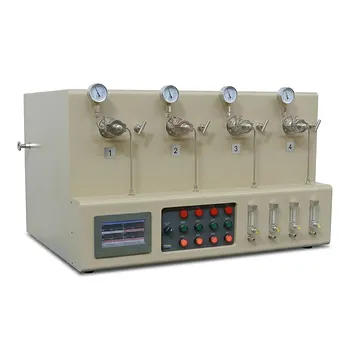
High Temperature 1700C 4 Channel Tube Furnace 1 Inch Alumina Tube for Hi-Throughput Annealing
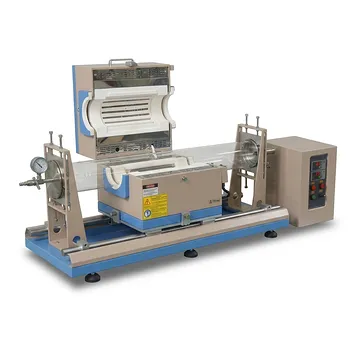
1200C High Temperature 5 Inch Sliding Tube Furnace for Rapid Thermal Processing RTP and Wafer Annealing
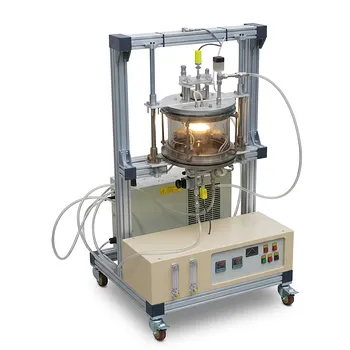
Two Zones CSS Furnace for Rapid Thermal Processing Thin Film Coating 3 Inch Diameter 650C
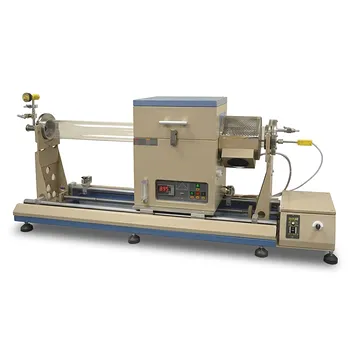
900 ºC Max Sliding RTP Tube Furnace with Rapid IR Heating and 4 Inch OD Quartz Tube

Compact Vertical Split Quartz Tube Furnace with Stainless Steel Vacuum Flanges for Rapid Thermal Quenching and Controlled Atmosphere Material Processing
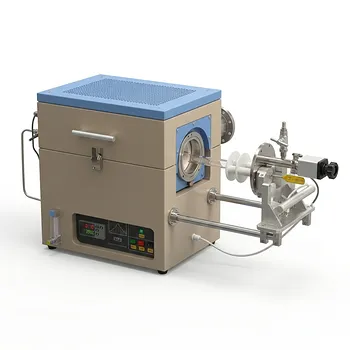
Compact Atmosphere Controlled Rapid Thermal Processing RTP Furnace with 4 Inch ID Quartz Tube 1100C
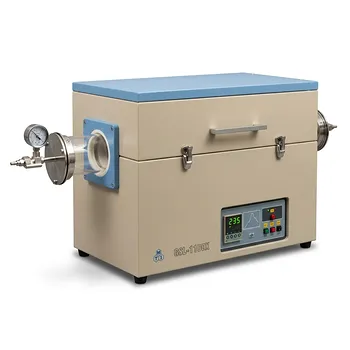
Single Zone Tube Furnace 5 Inch Quartz Tube 36 Inch Heating Zone Vacuum Flanges
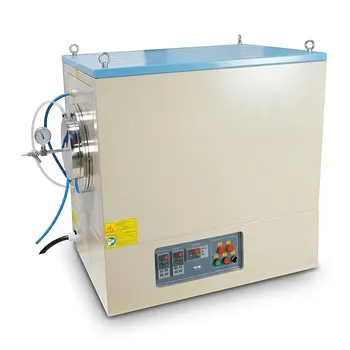
Dual Zone Tube Furnace 1100C with 11 Inch Quartz Tube and Vacuum Flanges for 8 Inch Wafer Processing
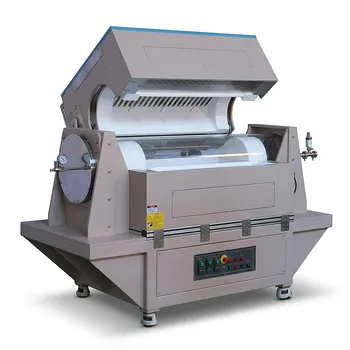
Three Zone Tube Furnace with 11 Inch or 15 Inch Quartz Tube and Hinged Flanges for Vacuum Atmosphere Heat Treatment
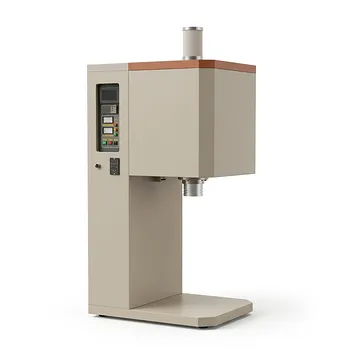
Vertical Openable Tube Furnace 0-1700c High Temperature Laboratory System for CVD and Vacuum Heat Treatment
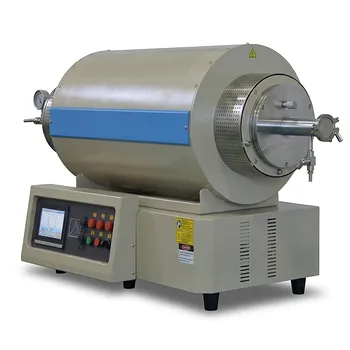
1200C Max Three Zone Tube Furnace 6 Inch OD Max with Tube and Flange
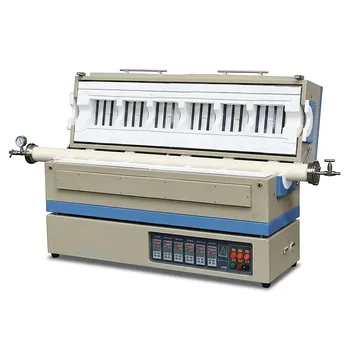
Six Zone Split Tube Furnace with Alumina Tube and Vacuum Flanges for 1500C High Temperature Thermal Processing and CVD

Vertical 1700C Vacuum and Atmosphere Tube Furnace with 80mm Alumina Tube