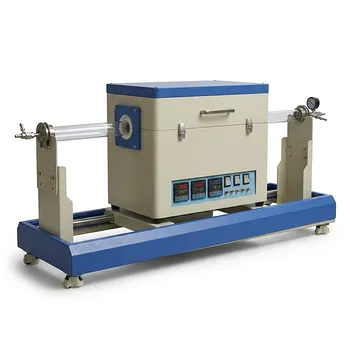
Why is high-purity nitrogen injected into the tube furnace during selenium paper CVD? Ensure Material Purity
Updated 5 months ago
In the Chemical Vapor Deposition (CVD) growth of selenium paper, high-purity nitrogen is injected to create an inert atmosphere by completely displacing oxygen within the tube furnace. This protective environment prevents selenium from reacting with oxygen at high temperatures, which would otherwise form oxide impurities that degrade the material's semiconductor properties.
The primary role of high-purity nitrogen is to safeguard the chemical integrity and photoconductive performance of selenium by eliminating oxidative reactions and managing the transport of volatile species during the growth process.
Prevention of Chemical Degradation
Avoiding Selenium Oxidation
At the elevated temperatures required for CVD, elemental selenium is highly reactive with oxygen. Injecting high-purity nitrogen ensures that air is purged from the chamber, preventing the formation of selenium oxides that would compromise the structure of the "paper."
Maintaining P-Type Semiconductor Integrity
The purity of selenium is critical for its function as a p-type semiconductor. By excluding oxygen, nitrogen preservation ensures the material retains its superior photoconductive characteristics, which are essential for its application in light-sensing technologies.
Preventing Material "Ashing" or Combustion
Similar to how nitrogen prevents carbon materials from burning at high temperatures, it ensures that the selenium precursors and the resulting paper do not undergo oxidative degradation. This process allows the selenium to deposit and structure itself correctly without being consumed by secondary chemical reactions.
Role as a Flow and Transport Medium
Uniform Vapor Distribution
In CVD processes, nitrogen acts as a carrier gas that helps distribute sublimated vapors uniformly across the target surface. This steady flow is vital for achieving a homogeneous morphology and consistent thickness across the selenium paper.
Removal of Volatile By-products
The continuous flow of nitrogen helps sweep away any volatile by-products generated during the reaction. Removing these impurities prevents them from being re-incorporated into the growing selenium layer and maintains the reaction equilibrium.
Protecting Equipment from Corrosion
By carrying away reactive or corrosive by-products, the nitrogen flow extends the operational life of the tube furnace. It prevents these substances from settling on the internal components of the furnace, which could cause long-term structural damage.
Understanding the Trade-offs
Purity Level Requirements
Using nitrogen that is not sufficiently pure (e.g., lower than 99.99%) can introduce trace moisture or oxygen. These small amounts of contaminants can still lead to non-selective oxidation, which impacts the pore quality and yield of the final product.
Flow Rate Management
If the nitrogen flow rate is too high, it may cool the furnace prematurely or disrupt the deposition of selenium vapors. Conversely, a flow that is too low may fail to effectively displace oxygen or remove by-products, leading to inhomogeneity in the semiconductor phase.
Making the Right Choice for Your Goal
How to Apply This to Your Project
Implementing a robust nitrogen purging system is essential for any high-temperature synthesis involving sensitive elements like selenium.
- If your primary focus is material purity: Ensure you are using high-purity nitrogen (99.99% or higher) and a sealed gas flow control system to eliminate all traces of atmospheric oxygen.
- If your primary focus is structural homogeneity: Calibrate the nitrogen flow rate to act as a stable carrier gas, ensuring even distribution of vapors across the entire substrate.
- If your primary focus is equipment longevity: Maintain a continuous post-reaction flow to ensure all corrosive volatile by-products are fully purged from the furnace chamber before cooling.
By meticulously controlling the inert environment within the tube furnace, you ensure that the selenium paper achieves the precise chemical and physical properties required for advanced electronic applications.
Summary Table:
| Role of Nitrogen | Key Benefit | Impact on Selenium Paper |
|---|---|---|
| Inert Atmosphere | Prevents Selenium Oxidation | Maintains p-type semiconductor integrity and chemical purity. |
| Carrier Gas | Uniform Vapor Distribution | Achieves homogeneous morphology and consistent material thickness. |
| By-product Removal | Purges Volatile Impurities | Maintains reaction equilibrium and protects furnace components from corrosion. |
Optimize Your CVD Synthesis with THERMUNITS Expertise
Achieving the precise chemical and physical properties required for advanced selenium paper depends on superior atmosphere control and thermal stability. THERMUNITS is a leading manufacturer of high-temperature laboratory equipment, providing state-of-the-art Tube Furnaces, CVD/PECVD systems, and Vacuum Atmosphere Furnaces tailored for material science and industrial R&D.
Our thermal processing solutions are designed to provide the stable gas flow and uniform temperature distribution necessary for high-stakes research. Whether you are working on semiconductor growth or complex heat treatments, we can help you achieve consistent, high-quality results.
Ready to upgrade your lab? Contact our engineering team today to discuss your specific requirements and explore our comprehensive range of high-performance furnaces.
References
- Xuewei Yu, Pingping Yu. Self-Powered Photodetectors with High Stability Based on Se Paper/P3HT:Graphene Heterojunction. DOI: 10.3390/nano14231923
Mentioned Products
- Dual Tube 100mm 80mm CVD Sliding Furnace with 4 Channel Gas Mixing and Vacuum System
- 1200C Sliding Tube Furnace for Rapid Thermal Processing and CVD Graphene Growth with 100mm OD Capacity
- High Temperature 1200C Automatic Sliding Dual Zone Tube Furnace for 2D Transition Metal Dichalcogenides Growth and Material Sublimation Research
- High Temperature 1700C Vertical Split Tube Furnace for Material Quenching and Single Crystal Growth
- 1200C Max Dual Sliding Tube Furnace with 50 mm Tube Flanges for CVD
People Also Ask
- How does the Sweet Spot region within a chemical vapor deposition reactor influence the morphology control of VOx particles?
- What is the purpose of placing quartz crystals at the inlet and outlet of a CVD reaction tube? Optimize MoS2 Synthesis
- Why is a double-zone tube furnace required for CVD of WS2? Master Thermal Precision for High-Quality 2D Materials
- What are the temperature control requirements for a tube furnace used in pyrolysis and CVD? Master Thermal Precision
- What is the primary function of a dual-zone tube furnace in CVD MoS2 synthesis? Achieve Precise Thermal Control

Tech Team · ThermUnits
Last updated on Apr 14, 2026
Related Products
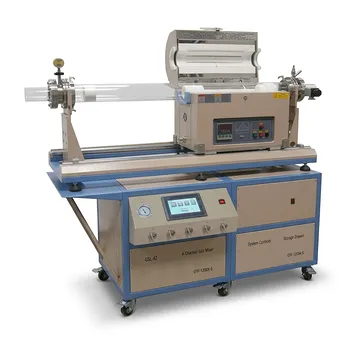
Dual Tube 100mm 80mm CVD Sliding Furnace with 4 Channel Gas Mixing and Vacuum System
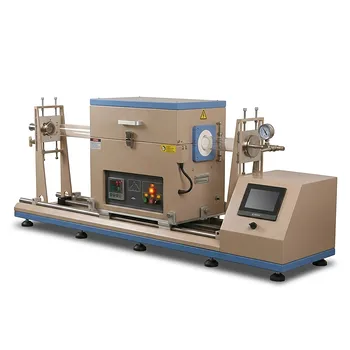
1200C Sliding Tube Furnace for Rapid Thermal Processing and CVD Graphene Growth with 100mm OD Capacity
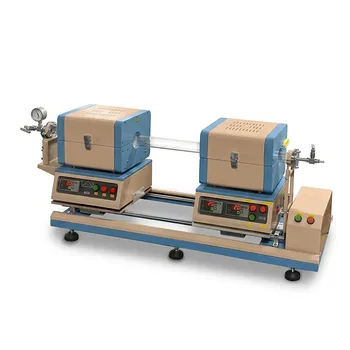
High Temperature 1200C Automatic Sliding Dual Zone Tube Furnace for 2D Transition Metal Dichalcogenides Growth and Material Sublimation Research
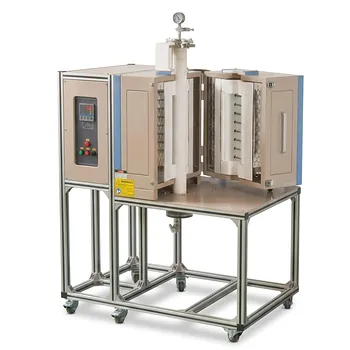
High Temperature 1700C Vertical Split Tube Furnace for Material Quenching and Single Crystal Growth
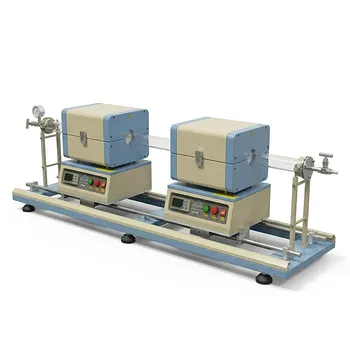
1200C Max Dual Sliding Tube Furnace with 50 mm Tube Flanges for CVD
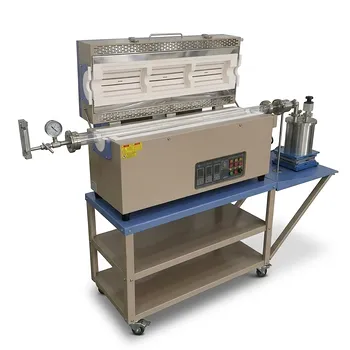
5 Inch Two Zone Rotary Tube Furnace 1100C for Powder CVD and Material Synthesis
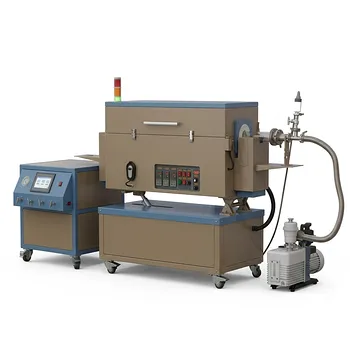
5 Inch Three Zone Rotary Tube Furnace with Integrated Gas Delivery System and 1200C Capability for Advanced Material CVD Processing
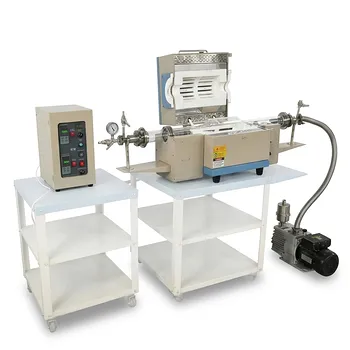
Two Zone Rotary Tube Furnace for Powder CVD Coating and Core Shell Material Synthesis 1100C
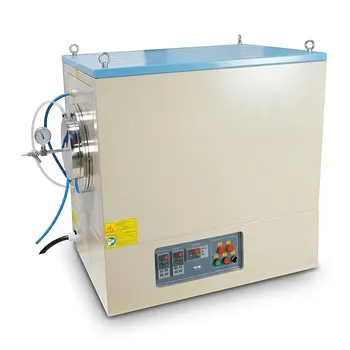
Dual Zone Tube Furnace 1100C with 11 Inch Quartz Tube and Vacuum Flanges for 8 Inch Wafer Processing
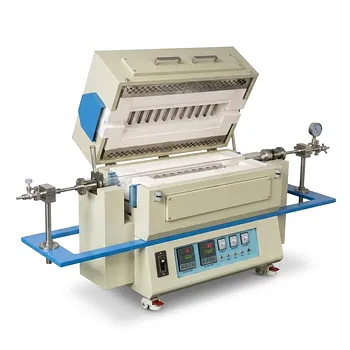
High Temperature Dual Zone Rotating Tube Furnace 1500C Silicon Carbide Heating for Advanced Material Synthesis
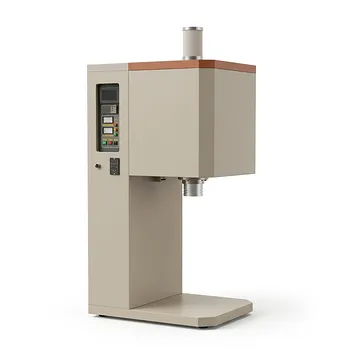
Vertical Openable Tube Furnace 0-1700c High Temperature Laboratory System for CVD and Vacuum Heat Treatment
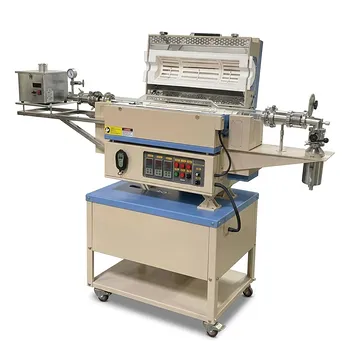
5 Inch Rotary Tube Furnace with Automatic Feeding and Receiving System 1200C Three Zone CVD Powder Processing
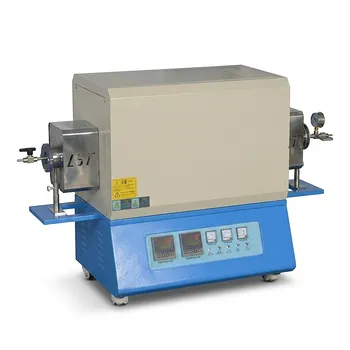
High Temperature Dual Zone Vacuum Tube Furnace for Material Research and CVD Processing
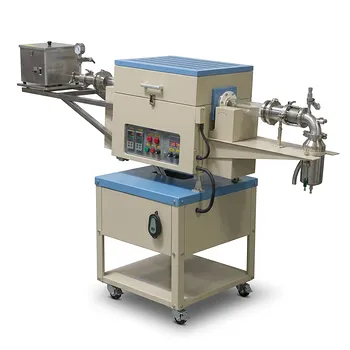
Two Zone Rotary CVD Furnace with Automatic Feeding and Receiving System for Powder Processing
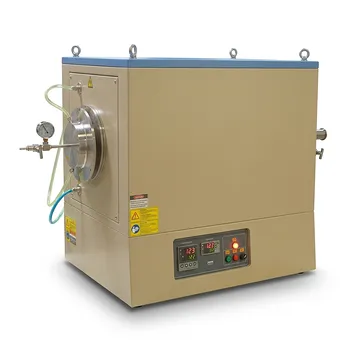
1100°C Large Diameter Quartz Tube Furnace with 24 Inch Heating Zone and Water Cooled Flanges
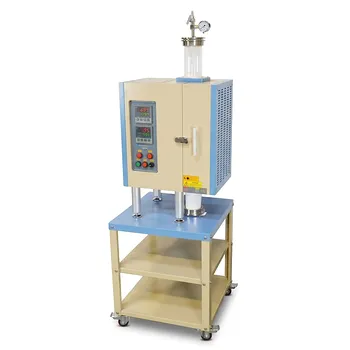
1100°C Dual Zone Split Vertical Tube Furnace with 4 Inch Quartz Tube and Vacuum Sealing Flanges

High Temperature 1700C Tube Furnace with High Vacuum Turbomolecular Pump System and Multi Channel Mass Flow Controller Gas Mixer
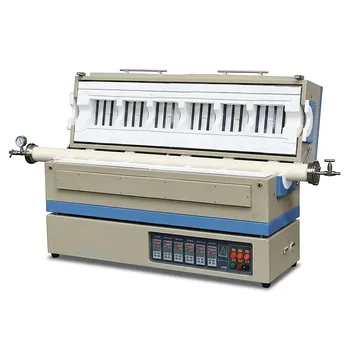
Six Zone Split Tube Furnace with Alumina Tube and Vacuum Flanges for 1500C High Temperature Thermal Processing and CVD
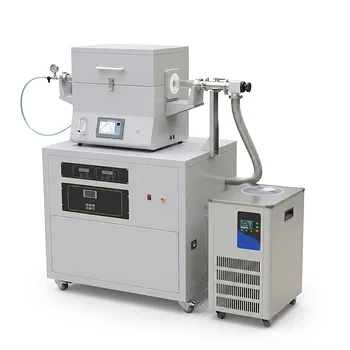
Split Chamber CVD Tube Furnace with Vacuum Station Chemical Vapor Deposition System Machine