What is the purpose of placing quartz crystals at the inlet and outlet of a CVD reaction tube? Optimize MoS2 Synthesis
Updated 3 months ago
Placing quartz crystals at the inlet and outlet of a CVD reaction tube is a strategic measure used to stabilize gas flow velocity and normalize the ambient temperature within the reaction zone. This configuration functions as a combined thermal buffer and fluid stabilizer, effectively eliminating internal turbulence and ensuring a highly consistent environment for the growth of monolayer molybdenum disulfide ($MoS_2$) throughout the deposition cycle.
The use of quartz crystals at the tube boundaries transforms the reaction chamber from a simple pipe into a controlled fluidic environment. By mitigating turbulence and thermal fluctuations, these inserts provide the high-precision stability required for uniform monolayer synthesis across the entire substrate.
Fluid Stabilization: Minimizing Internal Turbulence
Managing Gas Velocity at the Inlet
The introduction of carrier gases into a heated tube often creates localized turbulence due to pressure differentials and entry effects. Quartz crystals act as flow straighteners, breaking up large-scale eddies and ensuring that the precursor vapors—such as sulfur and molybdenum—reach the substrate with a laminar, predictable velocity.
Preventing Back-Flow and Outlet Fluctuations
The outlet of a CVD system is often a point of pressure instability as gases exit toward a vacuum pump or exhaust. Placing crystals at the outlet creates a slight, controlled impedance that prevents back-streaming and pressure pulses. This ensures that the gas-phase transport of reactants remains steady, which is critical for maintaining a constant deposition rate.
Thermal Buffering: Ensuring Zone Uniformity
Eliminating Cold Spots and Edge Effects
CVD furnaces naturally exhibit temperature gradients where the heating elements end. By placing quartz crystals at the inlet and outlet, the system gains thermal mass that radiates heat back into the tube, effectively extending the isothermal "sweet spot" of the furnace.
Stabilization of the Reaction Environment
Consistent temperature is vital for the sequential vaporization of sulfur powder and molybdenum oxide precursors. The crystals act as a thermal buffer, shielding the central reaction zone from the cooler ambient temperatures found at the tube's sealed ends. This ensures that the precursors vaporize and react at the exact intended thermal profile.
The Impact on $MoS_2$ Monolayer Quality
Achieving Atomic-Level Uniformity
The growth of monolayer $MoS_2$ is highly sensitive to the concentration of precursors in the gas phase. By eliminating turbulence, the quartz crystals ensure that the precursor-to-carrier-gas ratio remains constant over the substrate, preventing the formation of multi-layer "islands" or incomplete films.
Maintaining Chemical Purity
Quartz is selected for these stabilizers because of its high-temperature resistance and chemical inertness. At temperatures exceeding 800°C, quartz does not react with sulfur or molybdenum vapors, ensuring that no metal impurities or unwanted oxides are introduced into the high-purity $MoS_2$ thin films.
Understanding the Trade-offs and Limitations
Potential for Flow Restriction
While these crystals stabilize flow, they also increase the resistance within the tube. If the packing is too dense, it can lead to unintended pressure increases that may shift the reaction from a mass-transport-limited regime to a surface-reaction-limited regime, potentially slowing down the growth process.
Maintenance and Precursor Accumulation
The high surface area of the crystals can lead to the unwanted deposition of precursors (like sulfur) on the crystals themselves rather than the substrate. Over time, this buildup can flake off or change the flow characteristics, requiring regular cleaning or replacement of the crystals to maintain process repeatability.
How to Optimize Your CVD Setup
To achieve the best results with quartz crystals in your $MoS_2$ synthesis, consider your specific experimental goals:
- If your primary focus is film uniformity across large substrates: Prioritize the placement of crystals at the inlet to ensure a perfectly laminar flow of precursor vapors before they reach the deposition zone.
- If your primary focus is preventing multi-layer growth (thickness control): Focus on the thermal buffering aspect by placing larger crystal masses at the boundaries to ensure the temperature remains perfectly static during the entire growth cycle.
- If your primary focus is purity and minimizing defects: Ensure the quartz crystals are of the same high-purity grade as the reaction tube (optical grade quartz) to prevent any outgassing of trace metals at temperatures above 800°C.
By meticulously controlling the fluidic and thermal boundaries of the reaction chamber, you move from a stochastic growth process to a repeatable, precision engineering environment for two-dimensional materials.
Summary Table:
| Feature | Function | Benefit for MoS2 Growth |
|---|---|---|
| Fluid Stabilization | Acts as flow straighteners to reduce turbulence | Ensures a constant precursor-to-carrier-gas ratio |
| Thermal Buffering | Radiates heat to eliminate cold spots | Maintains the isothermal zone for consistent vaporization |
| Back-flow Prevention | Creates controlled impedance at the outlet | Prevents pressure pulses and maintains deposition rates |
| Chemical Inertness | Resists reaction with sulfur/molybdenum | Ensures high purity and minimizes atomic-level defects |
Elevate Your R&D with THERMUNITS Precision Solutions
As a leading manufacturer of high-temperature laboratory equipment, THERMUNITS provides the advanced thermal processing solutions required for cutting-edge material science. Whether you are synthesizing 2D materials like $MoS_2$ using our CVD/PECVD systems or requiring high-precision Tube, Vacuum, or Muffle furnaces, our equipment is designed for maximum repeatability and stability.
From industrial R&D to laboratory heat treatment, we offer a comprehensive range including Dental Furnaces, Hot Press furnaces, and Vacuum Induction Melting (VIM) systems to meet your specific research goals.
Ready to optimize your synthesis process? Contact THERMUNITS today to discuss your custom furnace requirements and enhance your lab's efficiency.
References
- Moha Feroz Hossen, Shyam Aravamudhan. Quantitative Defect Analysis in CVD‐Grown Monolayer MoS<sub>2</sub> via In‐Plane Raman Vibration. DOI: 10.1002/nano.202400103
Mentioned Products
- Versatile Chemical Vapor Deposition Tube Furnace System for Advanced Material Research and Industrial Coating Processes
- Multi Heating Zones CVD Tube Furnace System for Precision Chemical Vapor Deposition and Advanced Material Synthesis
- 4 Inch Two Zone Rotary CVD Tube Furnace for High Temperature Battery Material Synthesis and Advanced Material Calcination
- Dual Tube 100mm 80mm CVD Sliding Furnace with 4 Channel Gas Mixing and Vacuum System
- Chemical Vapor Deposition CVD System Slide PECVD Tube Furnace with Liquid Gasifier PECVD Machine
People Also Ask
- How does a sliding rail design benefit the CVD process within a furnace ventilation hood? Enhance Control & Quenching
- What role do by-product desorption and evacuation play in CVD film quality? Key Factors for High-Purity Films
- How does the deposition process occur within a Chemical Vapor Deposition (CVD) reactor? Explore the 5-Stage Growth Cycle
- Why is CVD preferred over PVD for high-aspect-ratio features? Superior Conformality for Semiconductor Fabrication
- How do temperature regimes influence the growth rate of films in a CVD system? Master CVD Kinetics for Superior Thin Films

Tech Team · ThermUnits
Last updated on Jun 02, 2026
Related Products
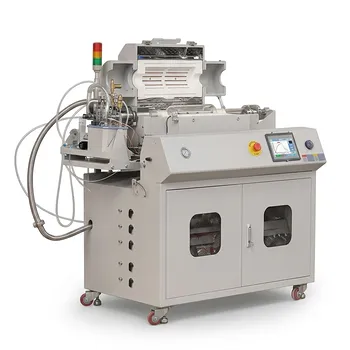
Versatile Chemical Vapor Deposition Tube Furnace System for Advanced Material Research and Industrial Coating Processes
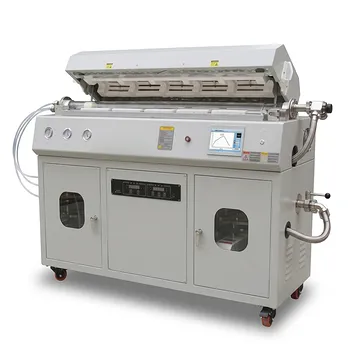
Multi Heating Zones CVD Tube Furnace System for Precision Chemical Vapor Deposition and Advanced Material Synthesis
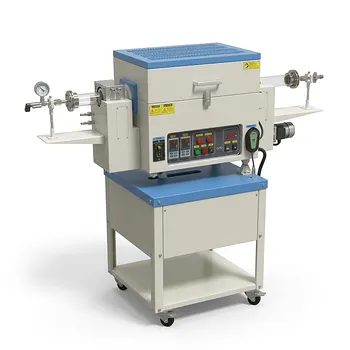
4 Inch Two Zone Rotary CVD Tube Furnace for High Temperature Battery Material Synthesis and Advanced Material Calcination
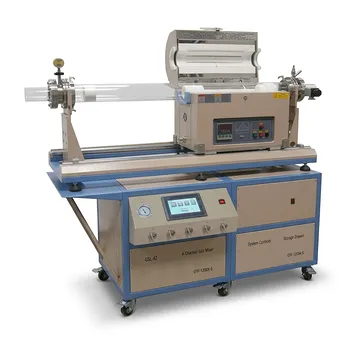
Dual Tube 100mm 80mm CVD Sliding Furnace with 4 Channel Gas Mixing and Vacuum System
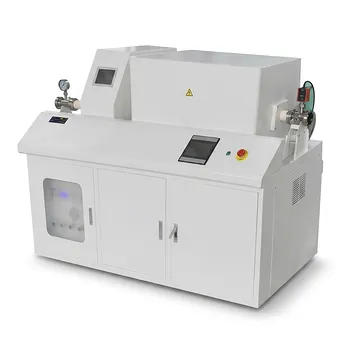
Chemical Vapor Deposition CVD System Slide PECVD Tube Furnace with Liquid Gasifier PECVD Machine
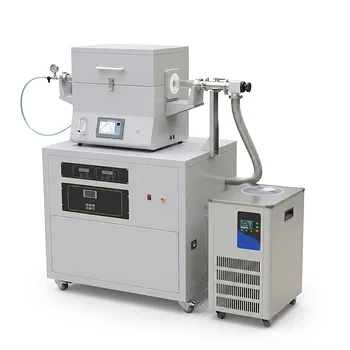
Split Chamber CVD Tube Furnace with Vacuum Station Chemical Vapor Deposition System Machine
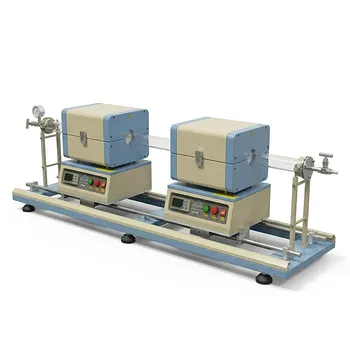
1200C Max Dual Sliding Tube Furnace with 50 mm Tube Flanges for CVD
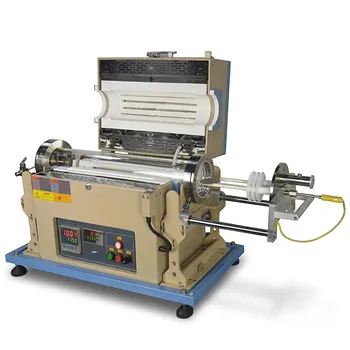
1200°C High Temperature 4 Inch Tube Furnace with Sliding Flange for CVD Systems
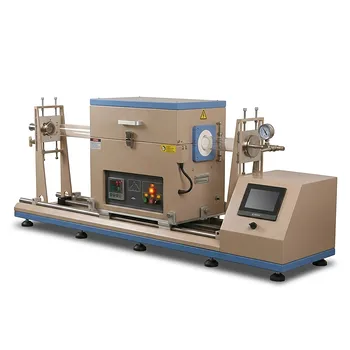
1200C Sliding Tube Furnace for Rapid Thermal Processing and CVD Graphene Growth with 100mm OD Capacity
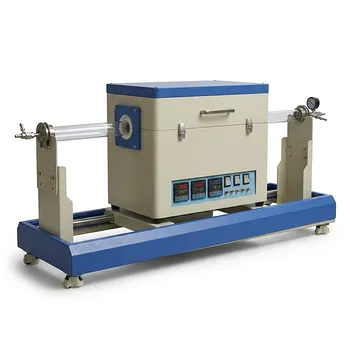
Double Temperature Zone Double Cover Tube Furnace for High Temperature CVD and Vacuum Annealing
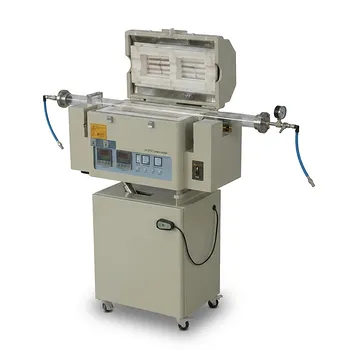
Double Temperature Revolving Tube Furnace with Precision Rotation and Adjustable Inclination for Advanced Material Research
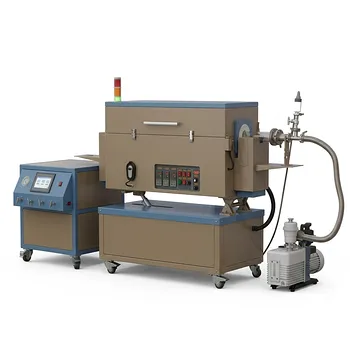
5 Inch Three Zone Rotary Tube Furnace with Integrated Gas Delivery System and 1200C Capability for Advanced Material CVD Processing
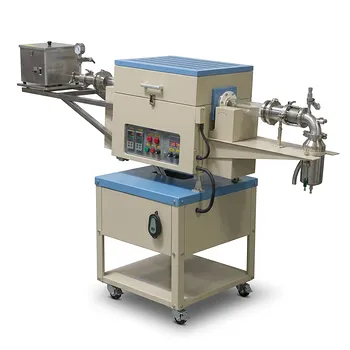
Two Zone Rotary CVD Furnace with Automatic Feeding and Receiving System for Powder Processing
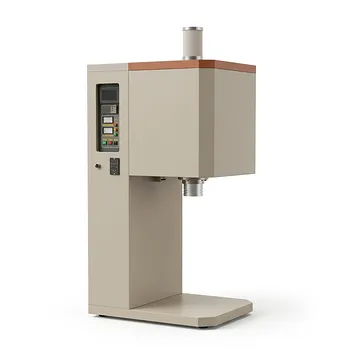
Vertical Openable Tube Furnace 0-1700c High Temperature Laboratory System for CVD and Vacuum Heat Treatment
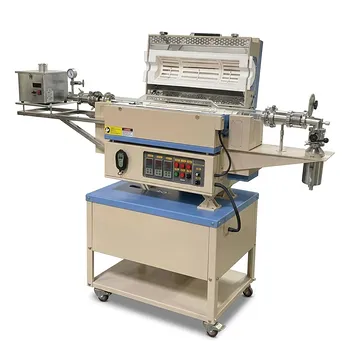
5 Inch Rotary Tube Furnace with Automatic Feeding and Receiving System 1200C Three Zone CVD Powder Processing
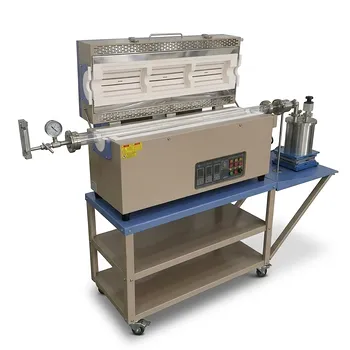
5 Inch Two Zone Rotary Tube Furnace 1100C for Powder CVD and Material Synthesis
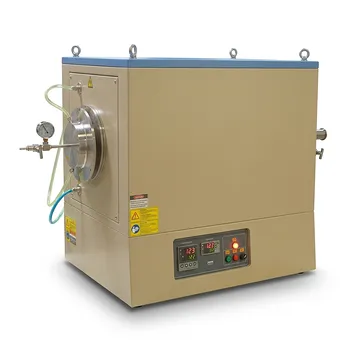
1100°C Large Diameter Quartz Tube Furnace with 24 Inch Heating Zone and Water Cooled Flanges
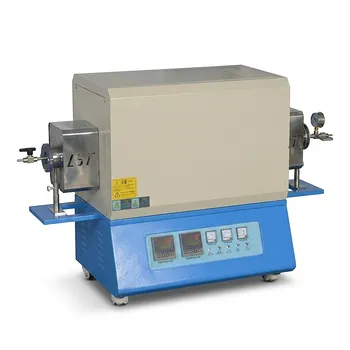
High Temperature Dual Zone Vacuum Tube Furnace for Material Research and CVD Processing
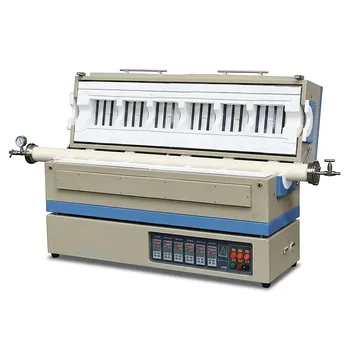
Six Zone Split Tube Furnace with Alumina Tube and Vacuum Flanges for 1500C High Temperature Thermal Processing and CVD
