Why is it necessary to continuously supply inert protective gas during AACVD cooling? Prevent Oxidation & Ensure Purity
Updated 3 months ago
Maintaining a continuous flow of inert gas during the cooling phase is critical for preserving material integrity. This process serves two immediate functions: it purges hazardous residual reaction byproducts from the tube furnace and prevents the hot thin films from undergoing quenching oxidation. Without this protection, the high temperatures of the system would cause the alloy surface to react instantly with oxygen upon exposure to air, destroying its metallic properties.
To ensure the success of an AACVD experiment, inert gas must be supplied until the system reaches room temperature. This protects the thin film's surface chemistry and ensures that catalytic activity remains intact by preventing unwanted oxidative reactions and removing chemical residues.
The Role of Inert Gas in Material Preservation
Preventing Quenching Oxidation
After the deposition process concludes, the tube furnace and the CuPd alloy thin films remain at extreme temperatures. At these levels, the metal atoms are highly reactive and will bond with oxygen the moment they are exposed to the atmosphere.
By maintaining a flow of nitrogen or another inert gas, you create a protective blanket that excludes oxygen. This allows the alloy to stabilize in its metallic state as it cools, preventing the formation of an unwanted oxide layer.
Purging Reaction Byproducts
The AACVD process often leaves behind residual chemicals and byproducts within the furnace environment. If these are not actively flushed out during the cooling phase, they can settle onto the cooling film and cause contamination.
Continuous gas flow ensures these volatiles are moved out of the system. This results in a cleaner film surface and prevents secondary reactions that could occur as the temperature drops.
Maintaining Catalytic Integrity
Preserving Metallic Characteristics
For alloys like CuPd, the metallic state of the surface is essential for its function. If the surface oxidizes during cooling, the electronic structure of the film changes fundamentally.
This loss of metallic character often results in a material that no longer meets the design specifications of the experiment. Proper cooling under inert gas ensures the thin film retains the exact phase and composition intended during deposition.
Protecting Surface Active Sites
The usefulness of thin films often depends on their catalytic activity. Oxidation can block or alter the active sites on the alloy surface where chemical reactions are supposed to take place.
By preventing quenching oxidation, the inert gas flow preserves these active sites. This ensures the material is "ready to use" for its intended application immediately after removal from the furnace.
Common Pitfalls to Avoid
Premature Exposure to Ambient Air
The most common mistake is opening the furnace or stopping the gas flow while the samples are still thermally activated. Even at a few hundred degrees Celsius, oxidation can occur rapidly enough to ruin the sample.
Insufficient Flow Rates
If the inert gas flow is too low, back-diffusion of oxygen into the tube can occur. This results in "patchy" oxidation, where parts of the film are metallic and others are oxidized, leading to inconsistent experimental data.
Neglecting Post-Deposition Cleanliness
Stopping the gas flow too early can trap precursor vapors inside the tube. As the system cools, these vapors may condense onto your samples, introducing impurities that are difficult to remove without damaging the film.
How to Apply This to Your Project
To ensure your AACVD thin films maintain their desired properties, follow these cooling protocols:
- If your primary focus is Catalytic Performance: Maintain inert gas flow until the furnace temperature is below 50°C to ensure surface active sites remain unoxidized and metallic.
- If your primary focus is Material Purity: Increase the flow rate slightly during the initial cooling phase to rapidly purge any high-concentration reaction byproducts.
- If your primary focus is Structural Consistency: Ensure a steady, uninterrupted supply of gas to prevent thermal gradients or oxygen pockets from affecting the alloy's crystal structure.
Consistent gas management during the cooling phase is just as vital as the deposition itself for achieving high-quality metallic thin films.
Summary Table:
| Key Function | Primary Benefit | Impact on Thin Film Integrity |
|---|---|---|
| Prevent Quenching Oxidation | Blocks oxygen contact at high temperatures | Preserves metallic state and electronic structure. |
| Purge Reaction Byproducts | Flushes residual volatiles and chemicals | Ensures surface cleanliness and prevents contamination. |
| Maintain Catalytic Activity | Protects surface active sites from bonding | Retains intended phase, composition, and performance. |
| Thermal Stabilization | Creates a controlled cooling environment | Prevents thermal gradients and structural inconsistencies. |
Optimize Your AACVD Research with THERMUNITS
Precise gas management and thermal control are the keys to high-quality material synthesis. THERMUNITS is a leading manufacturer of high-temperature laboratory equipment for material science and industrial R&D. We empower researchers with reliable, high-performance thermal processing solutions designed to prevent oxidation and ensure experimental success.
Our comprehensive range includes:
- CVD/PECVD Systems & Tube Furnaces for precise gas-phase deposition.
- Vacuum & Atmosphere Furnaces for controlled environment heat treatment.
- Muffle, Rotary, and Hot Press Furnaces for diverse material applications.
- Advanced Equipment: VIM (Vacuum Induction Melting), Dental Furnaces, and high-quality Thermal Elements.
Ready to elevate your thin film production? Our engineering team is here to help you select the ideal furnace and gas control system for your specific R&D needs.
Contact THERMUNITS Today to Discuss Your Project
References
- Muhammad Ali Ehsan, Wasif Farooq. Facile fabrication of binary copper–palladium alloy thin film catalysts for exceptional hydrogen evolution performance. DOI: 10.1039/d4ma00410h
Mentioned Products
- Versatile Chemical Vapor Deposition Tube Furnace System for Advanced Material Research and Industrial Coating Processes
- Radio Frequency Plasma Enhanced Chemical Vapor Deposition RF PECVD System for Laboratory and Industrial Thin Film Growth
- Chemical Vapor Deposition CVD System Slide PECVD Tube Furnace with Liquid Gasifier PECVD Machine
- Two Zone Rotary CVD Furnace with Automatic Feeding and Receiving System for Powder Processing
- Split Chamber CVD Tube Furnace with Vacuum Station Chemical Vapor Deposition System Machine
People Also Ask
- How does a sliding rail design benefit the CVD process within a furnace ventilation hood? Enhance Control & Quenching
- What role do by-product desorption and evacuation play in CVD film quality? Key Factors for High-Purity Films
- How does the deposition process occur within a Chemical Vapor Deposition (CVD) reactor? Explore the 5-Stage Growth Cycle
- Why is CVD preferred over PVD for high-aspect-ratio features? Superior Conformality for Semiconductor Fabrication
- How do temperature regimes influence the growth rate of films in a CVD system? Master CVD Kinetics for Superior Thin Films

Tech Team · ThermUnits
Last updated on Jun 03, 2026
Related Products
Versatile Chemical Vapor Deposition Tube Furnace System for Advanced Material Research and Industrial Coating Processes
Radio Frequency Plasma Enhanced Chemical Vapor Deposition RF PECVD System for Laboratory and Industrial Thin Film Growth
Chemical Vapor Deposition CVD System Slide PECVD Tube Furnace with Liquid Gasifier PECVD Machine
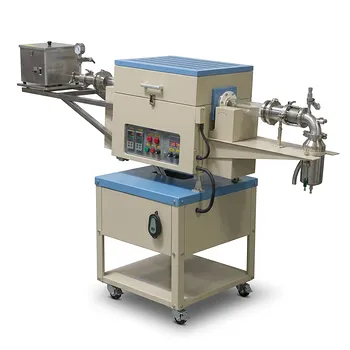
Two Zone Rotary CVD Furnace with Automatic Feeding and Receiving System for Powder Processing
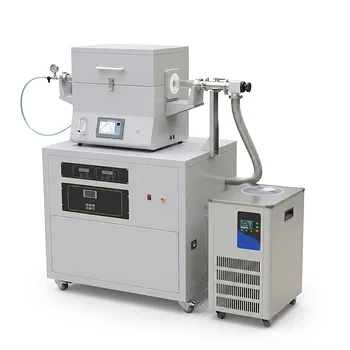
Split Chamber CVD Tube Furnace with Vacuum Station Chemical Vapor Deposition System Machine
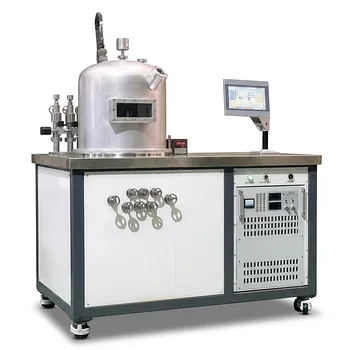
HFCVD Machine System for Nano Diamond Coating on Drawing Dies and Industrial Tools
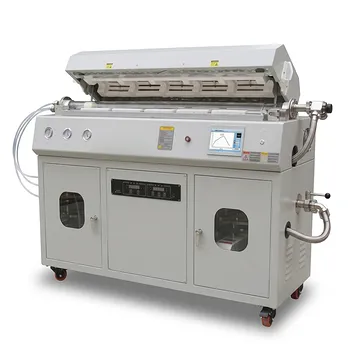
Multi Heating Zones CVD Tube Furnace System for Precision Chemical Vapor Deposition and Advanced Material Synthesis
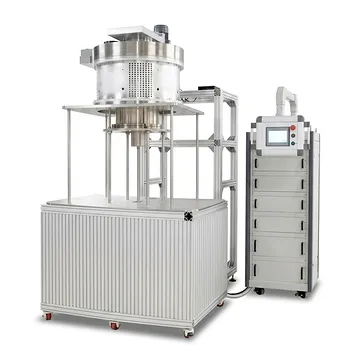
915MHz MPCVD Diamond Machine Microwave Plasma Chemical Vapor Deposition System Reactor
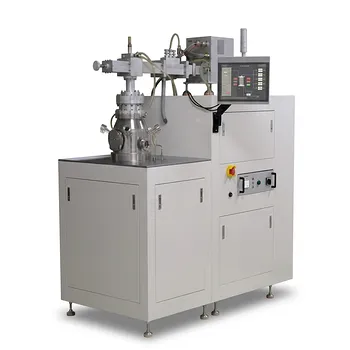
Cylindrical Resonator MPCVD Machine System for Microwave Plasma Chemical Vapor Deposition and Lab Diamond Growth
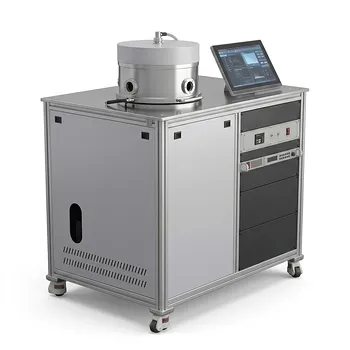
Inclined Rotary Plasma Enhanced Chemical Vapor Deposition PECVD System for Thin Film Deposition and Nanomaterial Synthesis
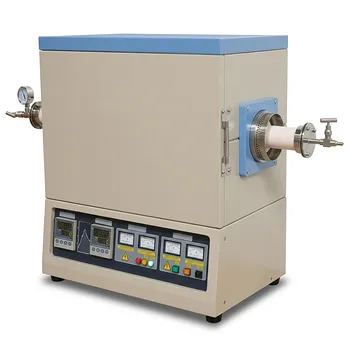
High Temperature 1700C Dual Zone Tube Furnace for Material Science and Industrial Chemical Vapor Deposition Research
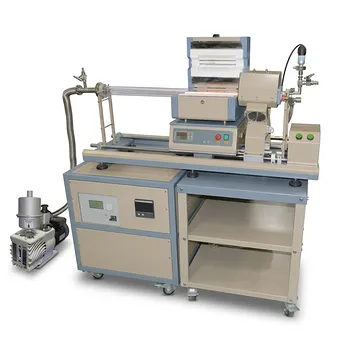
1200C Max Compact Auto-Sliding PECVD Furnace with 2 Inch Tube and Vacuum Pump
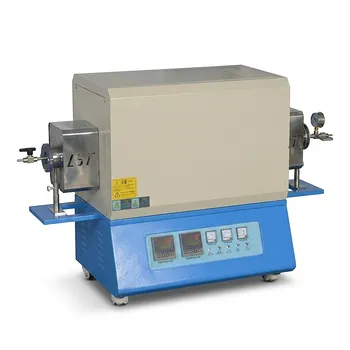
High Temperature Dual Zone Vacuum Tube Furnace for Material Research and CVD Processing
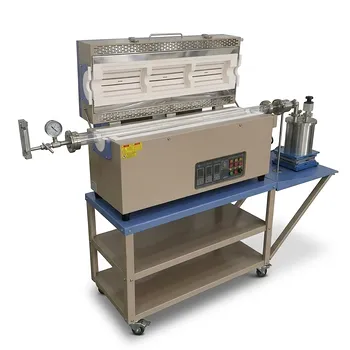
5 Inch Two Zone Rotary Tube Furnace 1100C for Powder CVD and Material Synthesis
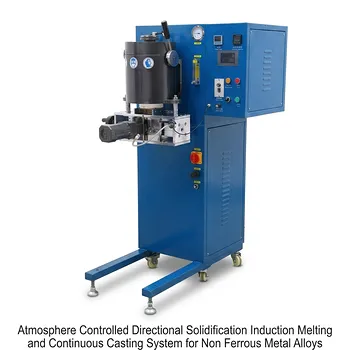
Atmosphere Controlled Directional Solidification Induction Melting and Continuous Casting System for Non Ferrous Metal Alloys
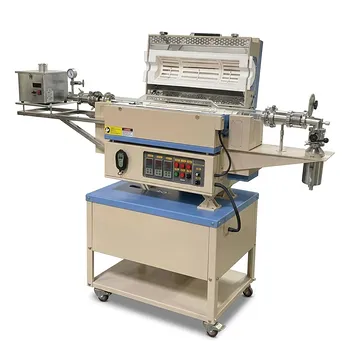
5 Inch Rotary Tube Furnace with Automatic Feeding and Receiving System 1200C Three Zone CVD Powder Processing
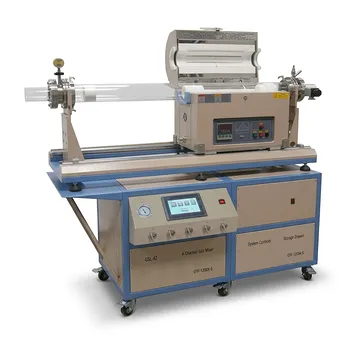
Dual Tube 100mm 80mm CVD Sliding Furnace with 4 Channel Gas Mixing and Vacuum System
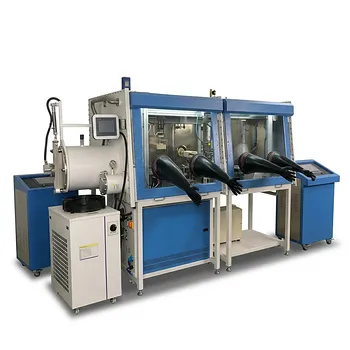
Automatic 10 Crucible Induction Melting and Casting System with Stirring Function and Glovebox Integration 2000C
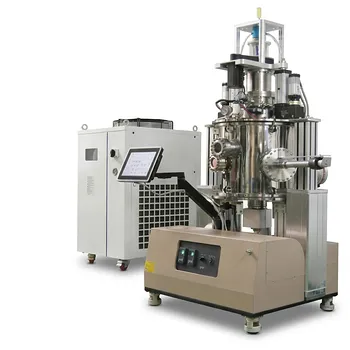
950C Rapid Thermal Processing Furnace for 12 Inch Wafer CSS Coating with Rotating Substrate Holder