How does a horizontal tube furnace control CNT growth? Master High-Precision CVD and CNT/DE Synthesis
Updated 3 months ago
Precise control in a horizontal tube furnace is achieved through the integration of a highly stable thermal field and a sealed, multi-component gas delivery system. By maintaining a constant temperature (typically around 750 °C) and regulating the flow ratios of argon, hydrogen, and acetylene, the furnace creates a strictly controlled reducing atmosphere. This environment ensures the efficient cracking of carbon sources and the ordered deposition of nanotubes onto the diatomite substrate.
Core Takeaway: The horizontal tube furnace acts as a closed-loop thermochemical reactor that dictates the morphology and density of CNTs by balancing thermal energy for gas pyrolysis with precise chemical concentrations for catalytic growth.
Managing the Thermal Field for Carbon Cracking
Achieving Thermodynamic Stability
The furnace provides a consistent heat zone that is critical for providing the activation energy required for chemical vapor deposition (CVD). This stable thermal field ensures that the temperature remains uniform across the diatomite substrate, preventing localized defects in the nanotube structure.
Facilitating Precursor Pyrolysis
At temperatures like 750 °C, the furnace enables the cracking of carbon-containing gases such as acetylene into free carbon atoms. Precise temperature regulation prevents over-pyrolysis, which can lead to the formation of amorphous carbon instead of structured nanotubes.
Controlling the Crystallization Rate
The thermal environment governs the rate at which carbon atoms diffuse and precipitate onto catalyst active sites. By maintaining a steady heat flux, the furnace allows for the ordered growth of high-density and uniformly distributed primary carbon nanotube arrays.
Atmospheric Regulation and Gas Dynamics
Establishing a Reducing Atmosphere
The furnace uses a sealed quartz tube to maintain a specific mixture of gases, often including hydrogen and argon. This reducing atmosphere is essential for keeping metal catalysts in an active state and preventing the oxidation of the diatomite substrate during the growth phase.
Optimizing Gas Flow Ratios
Precise control over the volume ratios of gases—such as an acetylene-to-nitrogen or acetylene-to-hydrogen mix—directly influences the growth yield. These ratios determine the concentration of available carbon at the catalyst surface, which dictates the final morphology of the CNT/DE composite.
Leveraging Laminar Flow in Horizontal Layouts
The horizontal configuration of the furnace tube is specifically designed to promote stable, laminar gas flow over the substrate. This ensures that the reactant gases are distributed evenly across the diatomite spread within a quartz boat, leading to consistent integration across the entire batch.
The Role of Substrate and Catalyst Interaction
Site-Specific Nucleation
The furnace provides the energy necessary for carbon atoms to rearrange into tubular structures at pre-set catalyst sites on the diatomite. This in-situ growth mechanism allows the carbon nanotubes to bond securely to the porous diatomite surface, enhancing the composite’s final electrical performance.
Regulating Growth Directionality
By controlling the temperature gradient and gas velocity, the horizontal furnace influences the orientation of the nanotubes. High-quality synthesis requires this directional control to ensure the nanotubes form structurally intact networks rather than tangled, inefficient clusters.
Understanding the Trade-offs and Pitfalls
Temperature Gradients vs. Uniformity
While the furnace aims for a stable field, natural temperature gradients can exist near the ends of the tube. If the diatomite is placed outside the "sweet spot" of the furnace, the nanotubes may exhibit inconsistent density or structural flaws.
Gas Saturation and Catalyst Poisoning
If the flow rate of the carbon source (like acetylene) is too high, it can lead to "catalyst poisoning" where the active sites are smothered by excess carbon. Conversely, insufficient flow will result in low yields and sparse nanotube coverage on the diatomite.
Pressure Sensitivity
Maintaining specific internal pressures, such as 180 Torr in some CVD systems, is vital for managing the mean free path of gas molecules. Deviations from the target pressure can disrupt the diffusion mechanism, leading to uneven growth rates across the substrate.
How to Apply This to Your Project
When utilizing a horizontal tube furnace for CNT/DE synthesis, your approach should be dictated by your specific material requirements:
- If your primary focus is high electrical conductivity: Prioritize a stable, higher-temperature thermal field (near 750-800 °C) and a higher acetylene-to-hydrogen ratio to maximize nanotube density.
- If your primary focus is structural integrity and surface area: Opt for a slower growth rate by reducing the carbon source flow and maintaining a strictly laminar gas path to ensure uniform coverage without clogging diatomite pores.
- If your primary focus is batch consistency: Utilize a longer quartz boat and map the furnace's thermal center accurately to ensure all diatomite particles experience identical thermochemical conditions.
The horizontal tube furnace remains the definitive tool for CNT/DE synthesis because it provides the essential trifecta of thermal stability, atmospheric purity, and precise gas kinetics.
Summary Table:
| Control Factor | Mechanism in Horizontal Furnace | Impact on CNT/DE Synthesis |
|---|---|---|
| Thermal Field | Stable heating at ~750 °C | Ensures uniform pyrolysis and prevents amorphous carbon. |
| Gas Dynamics | Regulated Ar/H2/C2H2 ratios | Dictates CNT morphology, density, and growth yield. |
| Atmosphere | Sealed quartz tube environment | Maintains active catalyst states; prevents substrate oxidation. |
| Flow Type | Horizontal laminar gas flow | Promotes even distribution of precursors across substrates. |
| Pressure | Constant internal pressure (e.g. 180 Torr) | Manages molecular mean free path for consistent deposition. |
Elevate Your Nanomaterial Synthesis with THERMUNITS
Precise thermal processing is the backbone of successful material science and industrial R&D. As a leading manufacturer of high-temperature laboratory equipment, THERMUNITS provides the advanced tools you need to achieve consistent, high-quality results in CVD/PECVD and specialized heat treatments.
From high-precision Tube and Atmosphere furnaces to specialized Rotary kilns, Muffle, Vacuum, and Hot Press furnaces, our equipment is engineered for accuracy and durability. Whether you are developing CNT/DE composites or exploring advanced electronic materials, we offer the technical expertise to support your journey from the lab to production.
Ready to optimize your thermal processing? Contact our specialists today to discuss how our solutions—including Dental, VIM, and induction melting furnaces—can empower your next breakthrough.
References
- Francesca Romana Lamastra, Manuela Scarselli. Form-Stable Phase-Change Materials Using Chemical Vapor Deposition-Derived Porous Supports: Carbon Nanotube/Diatomite Hybrid Powder and Carbon Nanotube Sponges. DOI: 10.3390/ma17235721
Mentioned Products
- Vertical Openable Tube Furnace 0-1700c High Temperature Laboratory System for CVD and Vacuum Heat Treatment
- 1200C Sliding Tube Furnace for Rapid Thermal Processing and CVD Graphene Growth with 100mm OD Capacity
- 5 Inch Three Zone Rotary Tube Furnace with Integrated Gas Delivery System and 1200C Capability for Advanced Material CVD Processing
- High Temperature 1800C Atmosphere Tube Furnace for CVD Research and Vacuum Sintering Precision Heat Treatment
- 1200C Max Dual Sliding Tube Furnace with 50 mm Tube Flanges for CVD
People Also Ask
- Why is a Tube Furnace typically utilized for CVD? Achieve Precision in Graphene and 2D Material Synthesis
- What role does a high-temperature vertical tube furnace play in simulating high-carbon ferromanganese slag formation?
- What functions does a vertical high-temperature tube furnace perform? Master Industrial Sintering & R&D Simulation
- How does a vertical tube furnace facilitate thermoelectric alloy melting? Precision synthesis for material homogeneity.
- How is an industrial-grade vertical tube furnace utilized in smelting leaching residues? Enhance Metal Recovery Efficiency

Tech Team · ThermUnits
Last updated on Jun 02, 2026
Related Products
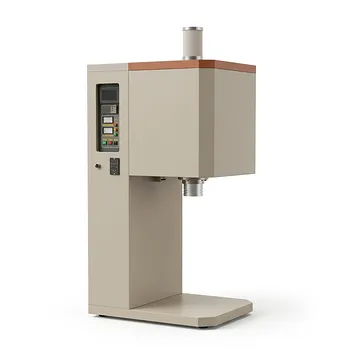
Vertical Openable Tube Furnace 0-1700c High Temperature Laboratory System for CVD and Vacuum Heat Treatment
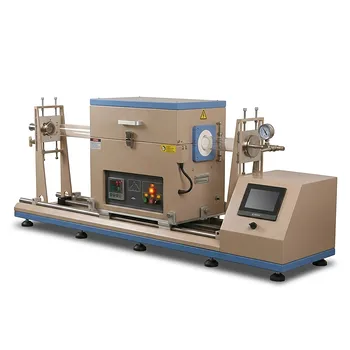
1200C Sliding Tube Furnace for Rapid Thermal Processing and CVD Graphene Growth with 100mm OD Capacity
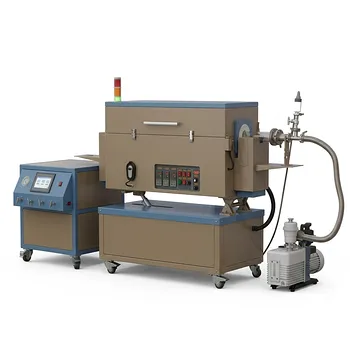
5 Inch Three Zone Rotary Tube Furnace with Integrated Gas Delivery System and 1200C Capability for Advanced Material CVD Processing
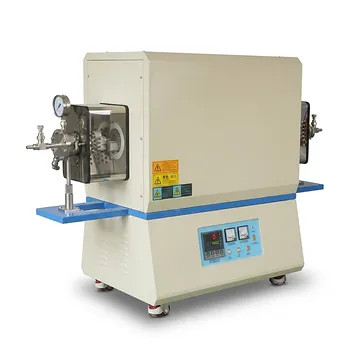
High Temperature 1800C Atmosphere Tube Furnace for CVD Research and Vacuum Sintering Precision Heat Treatment
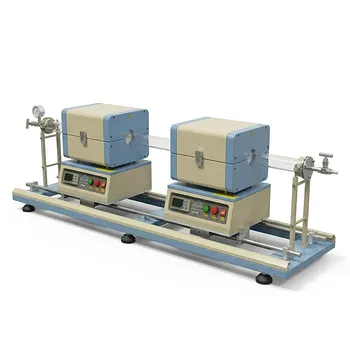
1200C Max Dual Sliding Tube Furnace with 50 mm Tube Flanges for CVD
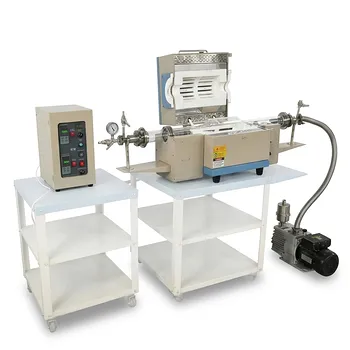
Two Zone Rotary Tube Furnace for Powder CVD Coating and Core Shell Material Synthesis 1100C
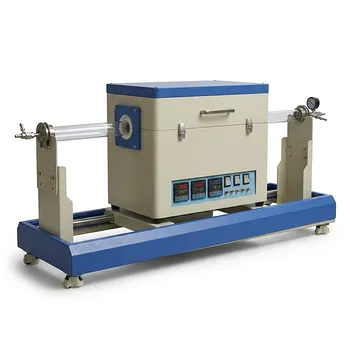
Double Temperature Zone Double Cover Tube Furnace for High Temperature CVD and Vacuum Annealing
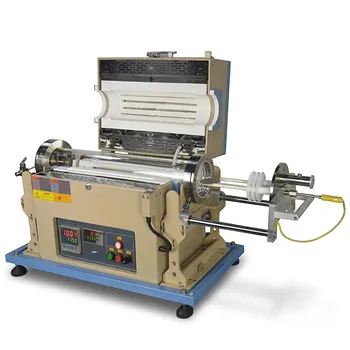
1200°C High Temperature 4 Inch Tube Furnace with Sliding Flange for CVD Systems
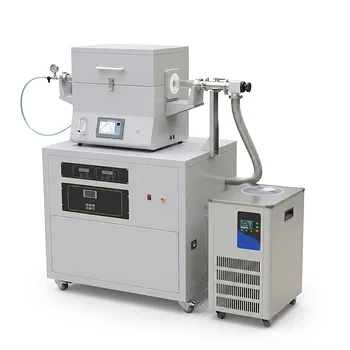
Split Chamber CVD Tube Furnace with Vacuum Station Chemical Vapor Deposition System Machine
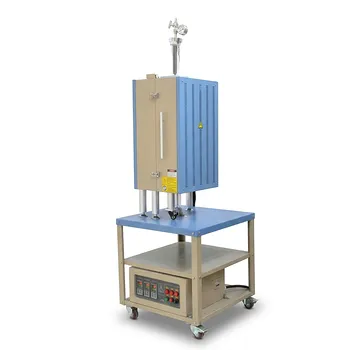
1200C Three Zone Vertical Tube Furnace with 2 Inch Quartz Tube and Vacuum Flanges
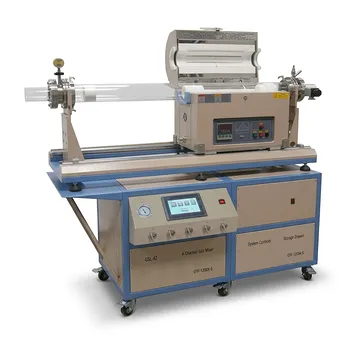
Dual Tube 100mm 80mm CVD Sliding Furnace with 4 Channel Gas Mixing and Vacuum System
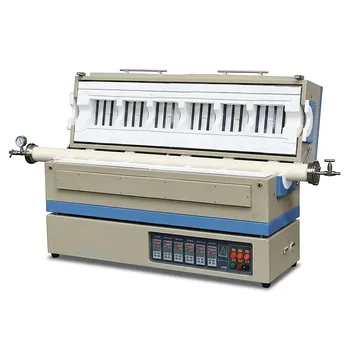
Six Zone Split Tube Furnace with Alumina Tube and Vacuum Flanges for 1500C High Temperature Thermal Processing and CVD
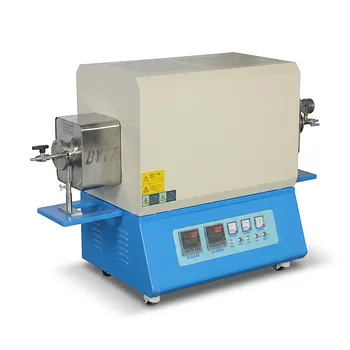
High Temperature Dual Zone Split Tube Furnace for Advanced Atmosphere Sintering and Vacuum CVD Applications
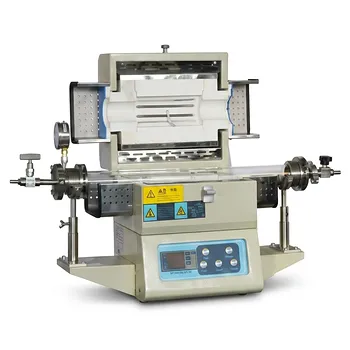
High Temperature 1200C Split Tube Furnace for CVD Research and Vacuum Atmosphere Heat Treatment
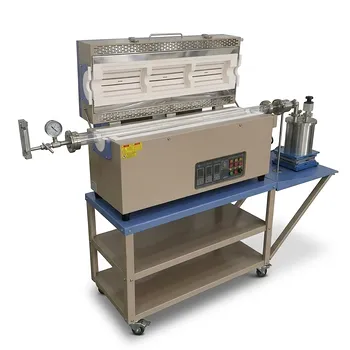
5 Inch Two Zone Rotary Tube Furnace 1100C for Powder CVD and Material Synthesis
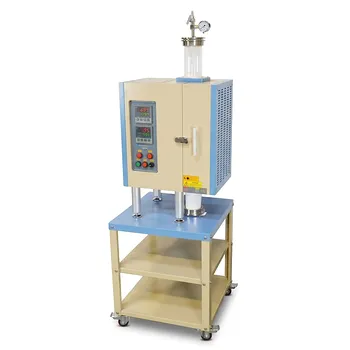
1100°C Dual Zone Split Vertical Tube Furnace with 4 Inch Quartz Tube and Vacuum Sealing Flanges
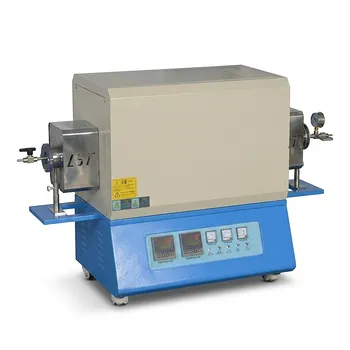
High Temperature Dual Zone Vacuum Tube Furnace for Material Research and CVD Processing
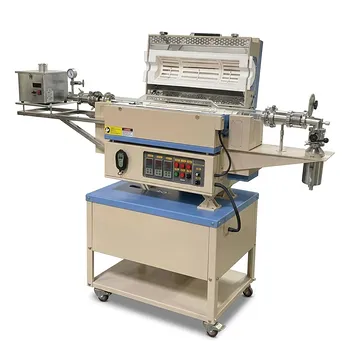
5 Inch Rotary Tube Furnace with Automatic Feeding and Receiving System 1200C Three Zone CVD Powder Processing
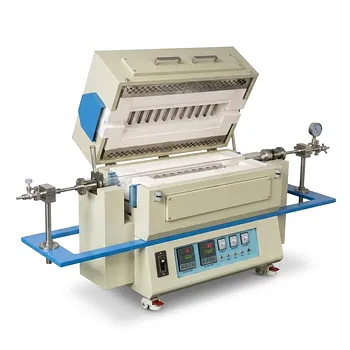
High Temperature Dual Zone Rotating Tube Furnace 1500C Silicon Carbide Heating for Advanced Material Synthesis
