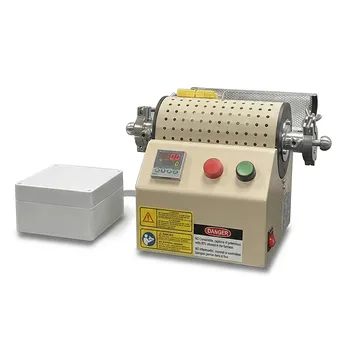
What are the primary process responsibilities of a horizontal tubular furnace in a mist CVD system? Expert Insights
Updated 3 months ago
The horizontal tubular furnace acts as the central thermal engine of a mist chemical vapor deposition (mist CVD) system. Its primary responsibilities are to provide a precisely controlled thermal environment for the preheating, pyrolysis, and heterogeneous reactions of mist particles. By maintaining stable temperature zones, the furnace regulates the evaporation of solvents and the decomposition of precursors, which directly dictates the growth rate, crystalline structure, and microstructure of the resulting thin films.
Core Takeaway: The furnace transforms liquid mist into a solid-state film by meticulously managing the transition from solvent-laden droplets to reactive vapors. It serves as the primary regulator of both chemical kinetics and physical deposition quality within the system.
Managing Thermal Fields and Phase Transitions
Precision Control of Isothermal Zones
The furnace is responsible for establishing a stable isothermal zone, often maintained within specific ranges such as 300–350°C. This uniform heat ensures that mist particles experience a consistent thermal history as they travel through the tube.
Regulation of Solvent Evaporation
In mist CVD, the precursor is delivered as fine droplets; the furnace must provide the exact energy required to control the solvent evaporation rate. If evaporation occurs too quickly or too slowly, it can negatively impact the density and uniformity of the film.
Facilitating Preheating and Pyrolysis
Before reaching the substrate, the mist must be preheated to initiate the pyrolysis of precursor molecules. The furnace provides the thermal energy necessary to break chemical bonds, transforming the precursor into a reactive state ready for deposition.
Orchestrating Chemical Reactions and Deposition
Driving Heterogeneous Reactions
The furnace provides the high-temperature environment required for heterogeneous reactions to occur at the substrate surface. This thermal energy allows the reactive species to bond effectively, forming a continuous and stable solid phase.
Establishing Temperature Gradients
By managing temperature gradients within the furnace tube, the system can independently regulate precursor vaporization and downstream deposition. These gradients are essential for controlling where and how quickly the material crystallizes on the substrate.
Maintaining Atmospheric Integrity
The horizontal furnace provides a sealed flow channel, usually through a quartz tube, to protect the reaction from contaminants. This environment allows for the precise introduction of carrier gases and reactive flows, ensuring that the chemistry remains pure.
Understanding the Trade-offs
Temperature Uniformity vs. System Throughput
While high temperatures can increase the growth rate, they may also lead to non-uniformity if the thermal field is not perfectly balanced. Maintaining a large isothermal zone is technically challenging but necessary for scaling production.
Thermal Stress and Substrate Sensitivity
Higher reaction temperatures often improve crystalline quality, yet they can damage sensitive substrates or cause thermal stress. Finding the "thermal window" where precursors decompose without warping the substrate is a critical balancing act.
Precursor Utilization Efficiency
If the temperature is too high in the preheating zone, precursors may undergo premature gas-phase reactions. This results in powder formation rather than a smooth film, significantly reducing the efficiency of material usage.
How to Optimize Furnace Parameters for Your Goals
Actionable Advice for Mist CVD Success
Effective use of a tubular furnace requires aligning thermal settings with your specific material requirements.
- If your primary focus is high crystallinity: Prioritize maintaining a long, stable isothermal zone in the center of the furnace to ensure complete precursor decomposition and ordered crystal growth.
- If your primary focus is film thickness consistency: Focus on regulating the flow velocity of the carrier gas in conjunction with a precise downstream temperature gradient to prevent turbulent deposition.
- If your primary focus is sensitive substrate integration: Utilize the furnace’s ability to create sharp temperature gradients, allowing the precursor to reach high reaction temperatures while keeping the substrate in a slightly cooler zone.
The furnace is the defining factor in mist CVD, bridging the gap between liquid precursors and high-performance solid-state thin films.
Summary Table:
| Process Phase | Furnace Responsibility | Impact on Final Film |
|---|---|---|
| Pre-deposition | Solvent Evaporation & Preheating | Controls droplet density and layer uniformity |
| Reaction | Pyrolysis & Heterogeneous Bonding | Determines growth rate and chemical bond strength |
| Crystallization | Isothermal Zone Management | Dictates crystalline structure, purity, and grain size |
| Environment | Atmospheric Integrity (Sealed Flow) | Prevents contamination and ensures reactive gas purity |
Precision Thermal Solutions for Mist CVD & Advanced R&D
As a global leader in material science heating technology, THERMUNITS provides high-performance horizontal tubular furnaces specifically engineered for the rigorous demands of Mist CVD. Our systems deliver the ultra-stable isothermal zones and precise temperature gradients essential for achieving superior thin-film quality.
Whether you are conducting academic research or industrial scaling, we offer a comprehensive range of solutions, including:
- CVD/PECVD Systems and high-precision Tube Furnaces
- Muffle, Vacuum, Atmosphere, and Rotary Furnaces
- Advanced Hot Press and Vacuum Induction Melting (VIM) Furnaces
- Specialized Dental Furnaces and Thermal Elements
Ready to enhance your deposition precision and research throughput? Contact our experts at THERMUNITS today to discover how our thermal processing solutions can empower your next breakthrough.
References
- Abdul Kuddus, Hajime Shirai. Spatial and Size Distributions of Ti(C<sub>5</sub>H<sub>7</sub>O<sub>2</sub>)<sub>2</sub>[(CH<sub>3</sub>)<sub>2</sub>CHO]<sub>2</sub> Mist Particles in a Tubular Furnace for Conformal and Uniform Deposition of Amorphous TiO<sub>2</sub> Thin Films. DOI: 10.1002/pssa.202400383
Mentioned Products
- Vertical Openable Tube Furnace 0-1700c High Temperature Laboratory System for CVD and Vacuum Heat Treatment
- 1200C Sliding Tube Furnace for Rapid Thermal Processing and CVD Graphene Growth with 100mm OD Capacity
- 1200C Max Dual Sliding Tube Furnace with 50 mm Tube Flanges for CVD
- Chemical Vapor Deposition CVD System Slide PECVD Tube Furnace with Liquid Gasifier PECVD Machine
- Split Chamber CVD Tube Furnace with Vacuum Station Chemical Vapor Deposition System Machine
People Also Ask
- Why is a Tube Furnace typically utilized for CVD? Achieve Precision in Graphene and 2D Material Synthesis
- What role does a high-temperature vertical tube furnace play in simulating high-carbon ferromanganese slag formation?
- What functions does a vertical high-temperature tube furnace perform? Master Industrial Sintering & R&D Simulation
- How does a vertical tube furnace facilitate thermoelectric alloy melting? Precision synthesis for material homogeneity.
- How is an industrial-grade vertical tube furnace utilized in smelting leaching residues? Enhance Metal Recovery Efficiency

Tech Team · ThermUnits
Last updated on Jun 02, 2026
Related Products
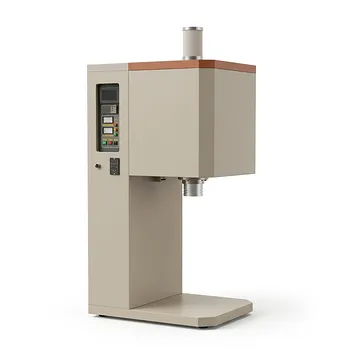
Vertical Openable Tube Furnace 0-1700c High Temperature Laboratory System for CVD and Vacuum Heat Treatment
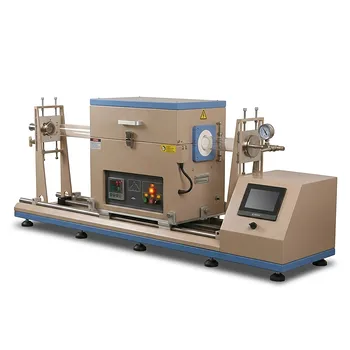
1200C Sliding Tube Furnace for Rapid Thermal Processing and CVD Graphene Growth with 100mm OD Capacity
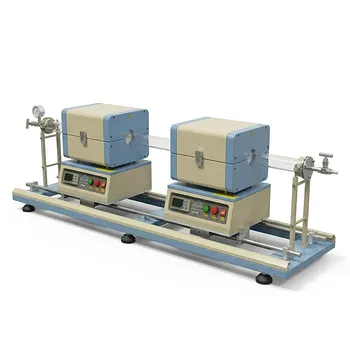
1200C Max Dual Sliding Tube Furnace with 50 mm Tube Flanges for CVD
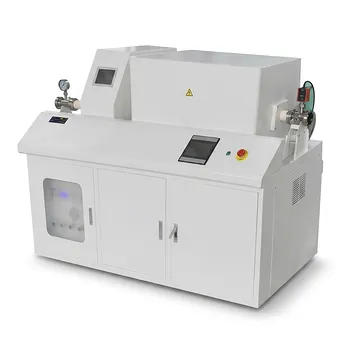
Chemical Vapor Deposition CVD System Slide PECVD Tube Furnace with Liquid Gasifier PECVD Machine
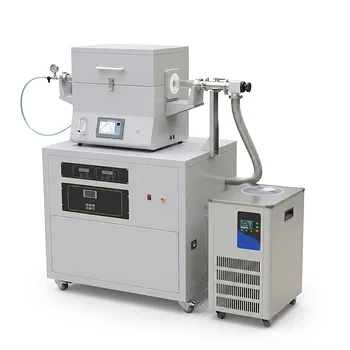
Split Chamber CVD Tube Furnace with Vacuum Station Chemical Vapor Deposition System Machine
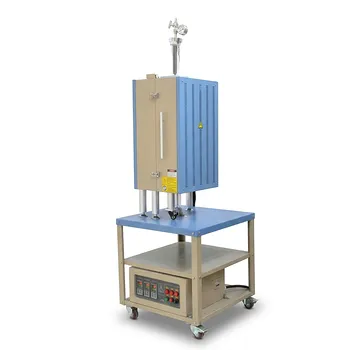
1200C Three Zone Vertical Tube Furnace with 2 Inch Quartz Tube and Vacuum Flanges
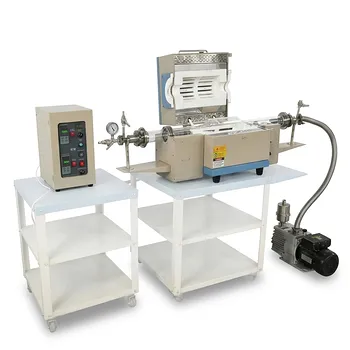
Two Zone Rotary Tube Furnace for Powder CVD Coating and Core Shell Material Synthesis 1100C
5 Inch Three Zone Rotary Tube Furnace with Integrated Gas Delivery System and 1200C Capability for Advanced Material CVD Processing
High Temperature 1200C Split Tube Furnace for CVD Research and Vacuum Atmosphere Heat Treatment
Multi Heating Zones CVD Tube Furnace System for Precision Chemical Vapor Deposition and Advanced Material Synthesis
High Temperature Dual Zone Vacuum Tube Furnace for Material Research and CVD Processing
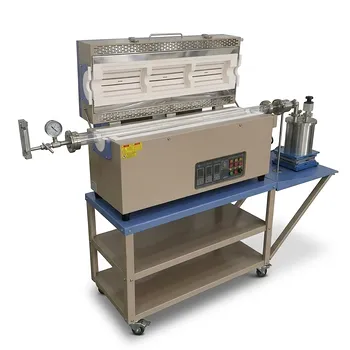
5 Inch Two Zone Rotary Tube Furnace 1100C for Powder CVD and Material Synthesis
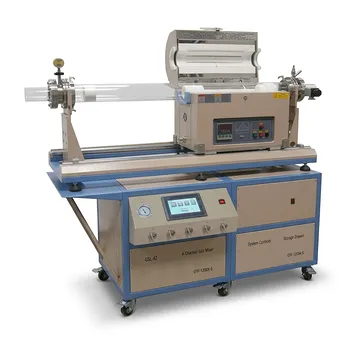
Dual Tube 100mm 80mm CVD Sliding Furnace with 4 Channel Gas Mixing and Vacuum System
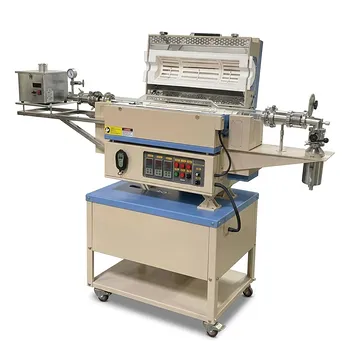
5 Inch Rotary Tube Furnace with Automatic Feeding and Receiving System 1200C Three Zone CVD Powder Processing
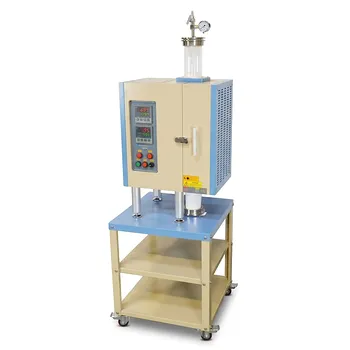
1100°C Dual Zone Split Vertical Tube Furnace with 4 Inch Quartz Tube and Vacuum Sealing Flanges
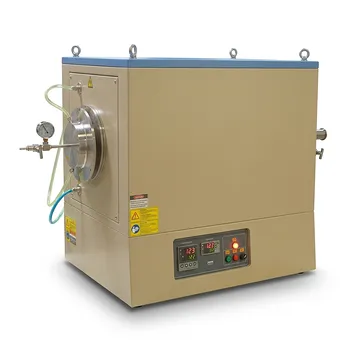
1100°C Large Diameter Quartz Tube Furnace with 24 Inch Heating Zone and Water Cooled Flanges
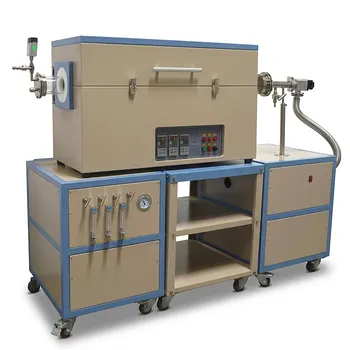
Three Zone Quartz Tube Furnace with 3 Channel Gas Mixer Vacuum Pump and Anti Corrosive Vacuum Gauge
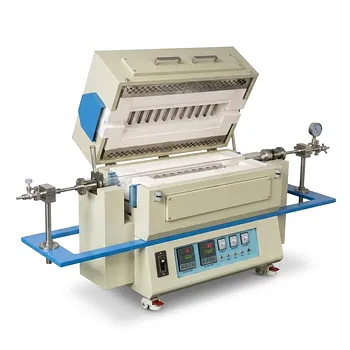
High Temperature Dual Zone Rotating Tube Furnace 1500C Silicon Carbide Heating for Advanced Material Synthesis

High Temperature 1700C Tube Furnace with High Vacuum Turbomolecular Pump System and Multi Channel Mass Flow Controller Gas Mixer