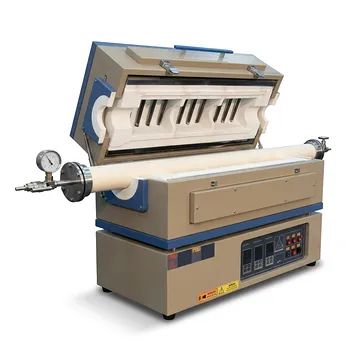
What role does a single-zone tube furnace play in WSe2 CVD synthesis? Enhance 2D Material Quality & Growth.
Updated 6 months ago
The single-zone tube furnace serves as the primary reaction vessel and thermal regulator for WSe2 synthesis. It creates the high-temperature environment (typically 800°C to 900°C) required to volatilize solid selenium powder and facilitate its gas-solid phase reaction with tungsten-based precursors. By maintaining a stable thermal field, the furnace enables the precise deposition of Tungsten Diselenide nanosheets onto a target substrate.
Core Takeaway: A single-zone tube furnace is the critical hardware that drives the phase transformation of precursors and governs the reaction kinetics, directly determining the crystalline quality, layer count, and dimensions of the resulting WSe2 nanosheets.
Facilitating Phase Transformation and Transport
Driving Selenium Volatilization
The furnace provides the intense thermal energy needed to convert solid selenium powder into a reactive gas phase. Without reaching specific volatilization thresholds, the selenium remains inert, preventing the chemical reaction from initiating.
Managing the Sealed Flow Atmosphere
The tube furnace provides a strictly controlled, sealed environment where carrier gases, such as Argon, can transport vaporized precursors. This ensures that the reactants reach the substrate at a constant rate, which is essential for uniform epitaxial growth.
Establishing the Thermal Gradient
Even within a single-zone system, the furnace creates necessary temperature gradients between the heating center and the cooler ends of the tube. This gradient is often used to place precursors and substrates at specific points where the temperature is optimal for their respective roles in the CVD process.
Regulating Material Morphology and Quality
Controlling Layer Count and Dimensions
The furnace's ability to maintain a stable thermal field is the core mechanism for regulating thickness. Precise temperature stability ensures that the deposition happens at a predictable rate, allowing researchers to achieve molecular-level control over the number of atomic layers.
Optimizing Crystalline Quality
The uniformity of the temperature zone directly influences the crystal lattice structure of the WSe2. High-precision temperature control minimizes defects and grain boundaries, leading to large-sized, high-quality single-crystal nanosheets.
Defining Growth Kinetics
By regulating the heat at the furnace center, the system dictates the speed of the chemical reaction. Consistent kinetics are required to prevent disorganized clusters and ensure that the WSe2 forms as a smooth, continuous thin film.
Understanding the Trade-offs of Single-Zone Systems
Limitation of Independent Temperature Control
In a single-zone furnace, the source material (Selenium) and the growth substrate are governed by the same heating element. This makes it difficult to optimize the sublimation temperature and the deposition temperature independently, requiring very precise physical placement of materials within the tube.
Restricted Uniform Temperature Zone
The "sweet spot" of perfectly uniform temperature is generally shorter in single-zone furnaces than in multi-zone systems. This can limit the scale of production, as only a small area of the substrate may receive the exact thermal conditions required for high-quality growth.
Sensitivity to External Fluctuations
Because there is only one control loop, single-zone furnaces can be more sensitive to changes in gas flow or ambient temperature. Any fluctuation in the single heating element immediately affects the entire reaction chain, from volatilization to deposition.
How to Apply This to Your Project
When utilizing a single-zone tube furnace for WSe2 synthesis, your strategy should shift based on your specific research requirements.
- If your primary focus is High Crystal Quality: Prioritize the precise placement of the substrate in the absolute center of the furnace's thermal zone to ensure maximum temperature stability.
- If your primary focus is Controlling Layer Thickness: Focus on fine-tuning the furnace ramp-up time and the flow rate of the carrier gas to manage the concentration of selenium vapor over the substrate.
- If your primary focus is Scalability: Consider mapping the temperature profile of your specific furnace to identify the widest possible "uniform zone" before placing multiple substrates.
Mastering the thermal environment of the tube furnace is the single most important factor in transitioning from inconsistent samples to reproducible, high-performance WSe2 nanosheets.
Summary Table:
| Function | Impact on WSe2 Synthesis | Key Control Parameter |
|---|---|---|
| Selenium Volatilization | Converts solid Se to reactive gas phase | Temperature (800°C - 900°C) |
| Atmosphere Management | Ensures uniform transport of precursors | Carrier gas flow (Argon) |
| Thermal Gradient | Defines deposition site & reaction rate | Substrate/Source placement |
| Morphological Regulation | Controls layer count & crystal lattice | Thermal zone stability |
Elevate Your 2D Material Research with THERMUNITS
As a leading manufacturer of high-temperature laboratory equipment for material science and industrial R&D, THERMUNITS understands that precision is the key to successful CVD synthesis. Our high-performance Tube Furnaces, CVD/PECVD systems, and Vacuum Atmosphere furnaces are designed to provide the ultra-stable thermal environments necessary for growing high-quality WSe2 nanosheets and other advanced materials.
From Muffle and Rotary furnaces to specialized Hot Press and Vacuum Induction Melting (VIM) systems, we offer a comprehensive range of thermal processing solutions tailored to your specific research needs.
Ready to optimize your lab's heat treatment capabilities? → Contact our experts today for a customized solution!
References
- Siyuan Wang, Hai Li. Controllable Growth of Monolayer and Bilayer WSe2 by Liquid-Phase Precursor via Chemical Vapor Deposition for Photodetection. DOI: 10.3390/nano14242021
Mentioned Products
- Single Zone Tube Furnace 5 Inch Quartz Tube 36 Inch Heating Zone Vacuum Flanges
- 1200°C 10-Zone Split Tube Furnace with Horizontal and Vertical Mounting for Multi-Zone Thermal Gradients and Large Diameter Material Processing
- Seven Zone 1200C Split Tube Furnace with Precision Temperature Controller and Quick Flange Vacuum System
- Dual Zone Tube Furnace 1100C with 11 Inch Quartz Tube and Vacuum Flanges for 8 Inch Wafer Processing
- 1500C Eight Zone Split Tube Furnace for Thermal Gradient Processing and Advanced Material Research
People Also Ask
- Why is a quartz tube furnace necessary for phosphorus-doped MoS2/GO preparation? Ensure Purity & Precise Synthesis
- Why is high-temperature annealing in a quartz tube furnace done after HfO2 deposition? Unlock peak film performance.
- What is the function of a quartz tube furnace in simulating sulfate hot corrosion for turbine materials?
- What role does a single-temperature zone quartz tube furnace play in the growth of monolayer MoS2? Optimize 2D Synthesis
- What functions do quartz tube furnaces perform in NMC111 calcination? Enhance material purity and performance.

Tech Team · ThermUnits
Last updated on Apr 14, 2026
Related Products
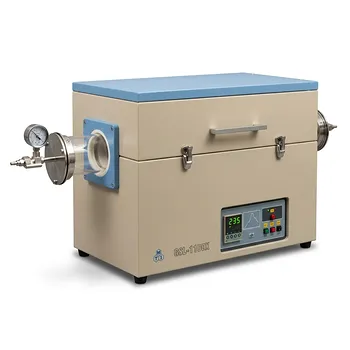
Single Zone Tube Furnace 5 Inch Quartz Tube 36 Inch Heating Zone Vacuum Flanges
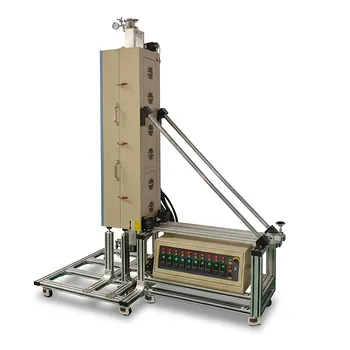
1200°C 10-Zone Split Tube Furnace with Horizontal and Vertical Mounting for Multi-Zone Thermal Gradients and Large Diameter Material Processing
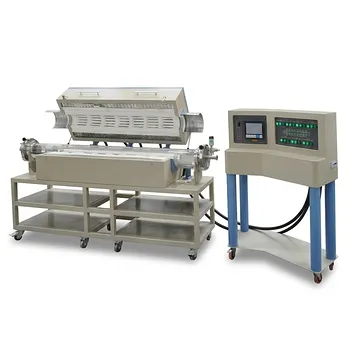
Seven Zone 1200C Split Tube Furnace with Precision Temperature Controller and Quick Flange Vacuum System
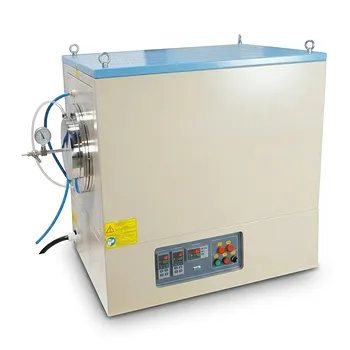
Dual Zone Tube Furnace 1100C with 11 Inch Quartz Tube and Vacuum Flanges for 8 Inch Wafer Processing
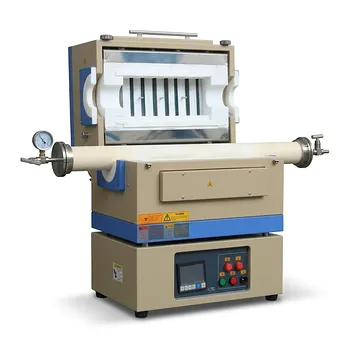
1500C Eight Zone Split Tube Furnace for Thermal Gradient Processing and Advanced Material Research
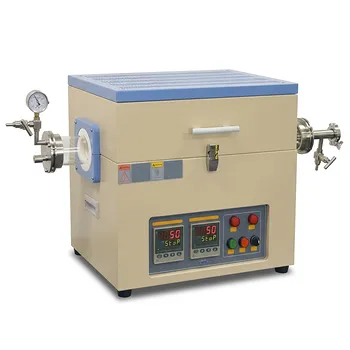
1200C Dual Zone Split Tube Furnace with Fused Quartz Tube and Vacuum Flanges Available in 60mm 80mm and 100mm Diameters
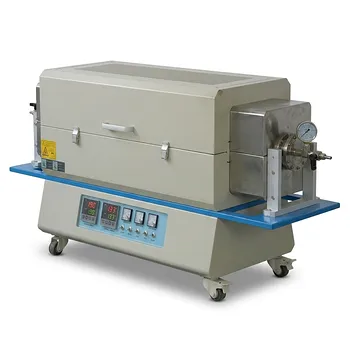
High Temperature Elongated Dual Zone Tube Furnace for Material Research and Industrial Heat Treatment
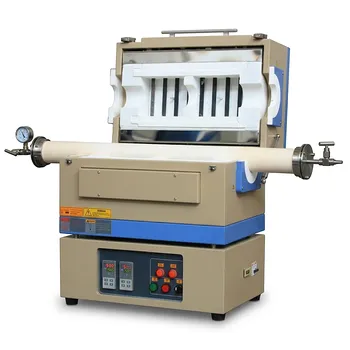
1500C Two Zone Split Tube Furnace with Vacuum Flange and 80mm Alumina Tube
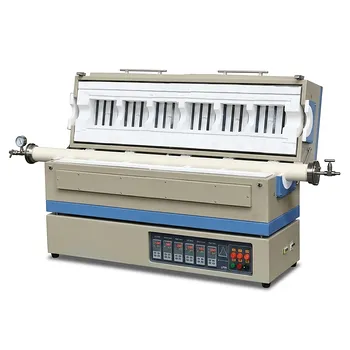
Six Zone Split Tube Furnace with Alumina Tube and Vacuum Flanges for 1500C High Temperature Thermal Processing and CVD
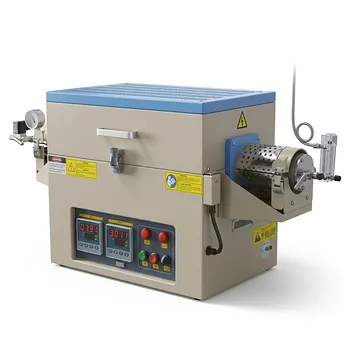
1100C Dual Zone Hydrogen Gas Tube Furnace with Quartz Tube and Integrated H2 Leak Detection System
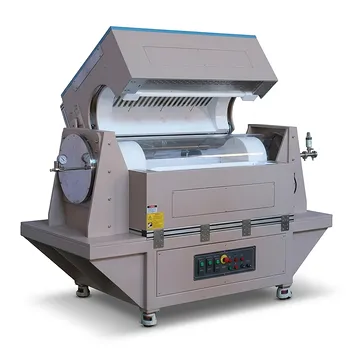
Three Zone Tube Furnace with 11 Inch or 15 Inch Quartz Tube and Hinged Flanges for Vacuum Atmosphere Heat Treatment
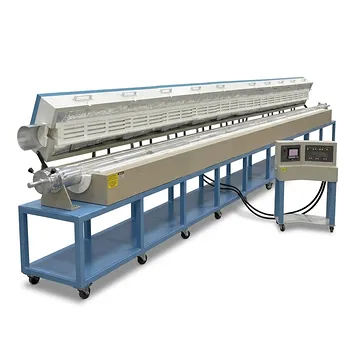
12 Zone Ultra Long Split Tube Furnace with 20 Foot Quartz Tube and 1100C Max Temperature
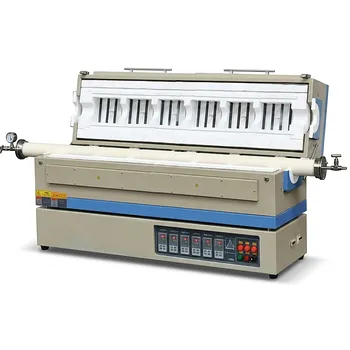
High Temperature 1700C Six Zone Split Tube Furnace with Alumina Tube and Water Cooled Flanges
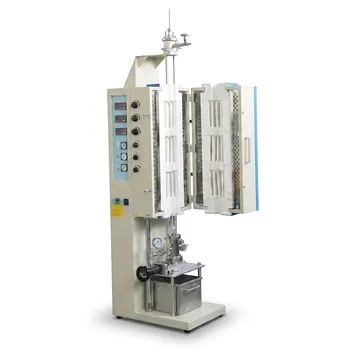
High Temperature Dual Zone Tube Furnace for Material Science Research and Professional Thermal Processing
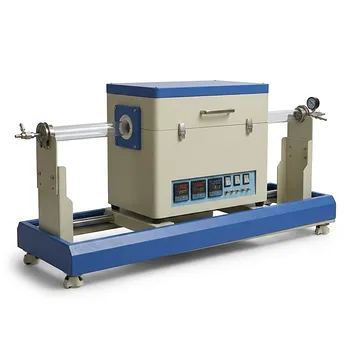
Double Temperature Zone Double Cover Tube Furnace for High Temperature CVD and Vacuum Annealing
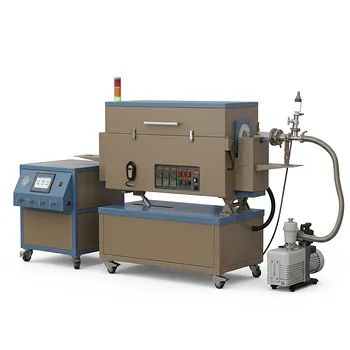
5 Inch Three Zone Rotary Tube Furnace with Integrated Gas Delivery System and 1200C Capability for Advanced Material CVD Processing
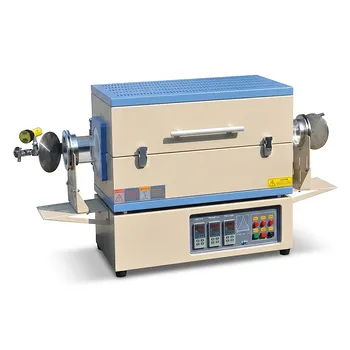
Three Zone Tube Furnace with 24 Inch Heating Length and Hinged Flange Quartz Tube System
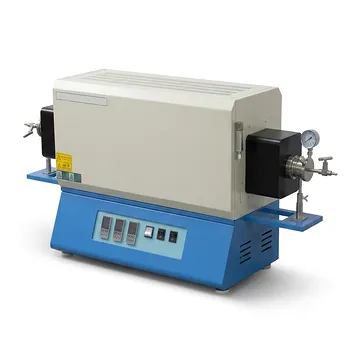
High Temperature Three Temperature Zone Tube Furnace for Advanced Material Science Sintering and Chemical Vapor Deposition Applications
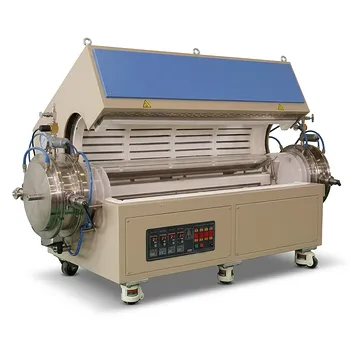
1200C Max Four Zone Split Tube Furnace with Optional Large Diameter Quartz Tubes