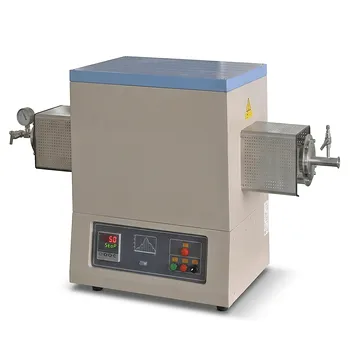
What technical conditions does a high-vacuum atmosphere tube furnace provide for the preparation of crystalline ZnCdS?
Updated 3 months ago
The high-vacuum atmosphere tube furnace provides a controlled thermal environment that facilitates the phase transformation of amorphous precursors into crystalline ZnCdS. By maintaining a constant temperature of 600°C under a continuous flow of high-purity nitrogen, the furnace provides the precise kinetic energy required for atomic rearrangement while preventing the oxidative degradation of the material.
Core Takeaway: The tube furnace acts as a specialized reactor that balances thermal energy delivery with atmospheric isolation to ensure full grain development and the preservation of the chemical stoichiometry required for high-quality ZnCdS crystals.
Kinetic Energy and Phase Transformation
Thermal Energy for Atomic Rearrangement
The furnace supplies a steady thermal field, typically reaching 600°C, which is the critical threshold for converting amorphous precursors into a crystalline state. This heat provides the necessary kinetic energy for atoms within the precursor to overcome energy barriers and arrange themselves into a stable lattice structure.
Precise Temperature Regulation
Programmed temperature control ensures that the heating process is uniform, preventing localized overheating that could lead to structural defects. This precision allows for the full development of grains, ensuring that the resulting ZnCdS possesses the desired semiconducting properties.
Controlled Cooling and Heating Rates
By utilizing automated heating programs, the furnace can manage the rate of temperature increase and decrease. This control is vital for managing the nucleation and growth phases of the crystals, mirroring the precision required in similar processes like the growth of CdS nanobelts or CVD reactions.
Atmospheric Integrity and Stoichiometric Preservation
Prevention of Oxidative Degradation
The high-vacuum capability, combined with a continuous flow of nitrogen gas, creates a strictly oxygen-free environment. This isolation is critical to prevent the metal precursors and the resulting ZnCdS from reacting with oxygen, which would otherwise form unwanted oxides.
Maintaining Chemical Stoichiometry
Sulfur is highly susceptible to oxidative loss at elevated temperatures. The furnace's atmospheric isolation ensures that sulfur remains within the compound, maintaining the accurate stoichiometry (the specific ratio of Zinc, Cadmium, and Sulfur) necessary for the material's functional performance.
Removal of Gaseous Byproducts
The continuous flow of inert carrier gas serves a dual purpose: it maintains the protective atmosphere and facilitates the removal of any waste gases generated during the thermal treatment. This ensures that the reaction environment remains pure throughout the crystallization process.
Understanding the Technical Trade-offs
Temperature vs. Volatilization
While higher temperatures generally improve crystallinity, excessive heat can lead to the sublimation or volatilization of components. In ZnCdS preparation, exceeding the optimal temperature may cause sulfur deficiency, which introduces electronic defects into the crystal lattice.
Vacuum Depth vs. Processing Time
Achieving a high-vacuum state ensures maximum purity but increases the initial setup time for each batch. If the vacuum or nitrogen flow is insufficient, even trace amounts of oxygen can cause surface oxidation, significantly reducing the conductivity and optical clarity of the ZnCdS.
Thermal Gradients and Uniformity
In larger tube furnaces, maintaining a perfectly uniform temperature across the entire length of the tube is a challenge. Temperature gradients can lead to variations in grain size between samples placed at the center versus the edges of the furnace, potentially impacting the reproducibility of the material.
How to Apply These Conditions to Your Project
To achieve the highest quality crystalline ZnCdS, your technical approach should be dictated by your specific material goals:
- If your primary focus is Maximum Crystallinity: Prioritize a stable, long-duration soak at 600°C with a slow cooling rate to allow for maximum grain boundary fusion.
- If your primary focus is Precise Stoichiometry: Ensure a high-purity nitrogen flow rate is established well before heating begins to completely purge the chamber of oxygen.
- If your primary focus is Scalable Production: Implement a multi-zone heating program to minimize temperature gradients across the furnace tube, ensuring consistent results across multiple samples.
Success in ZnCdS preparation depends on the synergistic management of thermal kinetics and atmospheric purity to transition from a disordered precursor to a structured semiconductor.
Summary Table:
| Technical Condition | Requirement/Function | Impact on ZnCdS Quality |
|---|---|---|
| Temperature (600°C) | Provides kinetic energy | Triggers phase transformation from amorphous to crystalline |
| Inert Atmosphere | N2 flow & oxygen removal | Prevents oxidative degradation and preserves stoichiometry |
| Vacuum Depth | High-vacuum environment | Ensures high purity and prevents surface oxidation |
| Thermal Precision | Uniform heating/cooling rates | Manages nucleation and ensures full grain development |
| Gas Management | Continuous carrier gas flow | Removes gaseous byproducts and maintains reaction purity |
Elevate Your Material Research with THERMUNITS Precision Technology
Achieving the perfect crystalline structure for semiconductors like ZnCdS requires absolute control over thermal kinetics and atmospheric purity. THERMUNITS is a leading manufacturer specializing in high-performance laboratory equipment for material science and industrial R&D.
We provide a comprehensive range of advanced thermal solutions, including:
- Atmosphere & Vacuum Tube Furnaces for precise gas control.
- CVD/PECVD Systems for high-quality film and nanostructure growth.
- Muffle, Rotary, and Hot Press Furnaces for diverse heat treatment needs.
- Vacuum Induction Melting (VIM) and Dental Furnaces.
- High-quality Thermal Elements and specialized laboratory equipment.
Whether you are focusing on grain boundary fusion or stoichiometric preservation, our equipment is designed to deliver repeatable, high-accuracy results.
Ready to optimize your heat treatment process? Contact us today to discuss your project requirements!
References
- Xin Wang, Songcan Wang. Induced dipole moments in amorphous ZnCdS catalysts facilitate photocatalytic H2 evolution. DOI: 10.1038/s41467-024-47022-z
Mentioned Products
- 1750°C High Temperature Benchtop Vacuum Atmosphere Tube Furnace with Kanthal Super 1800 Heating Elements and 60mm Alumina Processing Tube
- Vertical 1700C Vacuum and Atmosphere Tube Furnace with 80mm Alumina Tube
- High Temperature Vertical Atmosphere Controlled Furnace with Automatic Bottom Loading and 1700°C Capacity for Advanced Material Research
- 1500°C Split Tube Furnace with Alumina Tube and Vacuum Sealing Flanges for Material Research
- 1100°C High Temperature Quartz Chamber Furnace 8 Inch OD with 7.6 Liter Capacity and Vacuum Atmosphere Capability
People Also Ask
- What core functions does a high-temperature vacuum tube furnace provide? Optimize np-CuSn Sintering & Joint Integrity
- What is the role of a high-temperature tube furnace in the calcination process of ZnO/In2O3 nanocomposites?
- What role does a high-temperature tube furnace play in the sulfidation heat treatment of CoS@C/MXene nanocomposites? Guide
- Why is a high-temperature tube furnace required for CuAlO2 heat treatment? Master Phase Transformation Today
- What role does a high-temperature tube furnace play in executing nitrogen absorption kinetic experiments? Expert Insights

Tech Team · ThermUnits
Last updated on Jun 03, 2026
Related Products
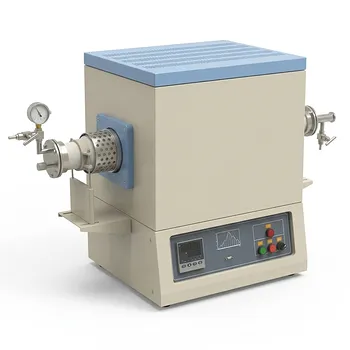
1750°C High Temperature Benchtop Vacuum Atmosphere Tube Furnace with Kanthal Super 1800 Heating Elements and 60mm Alumina Processing Tube
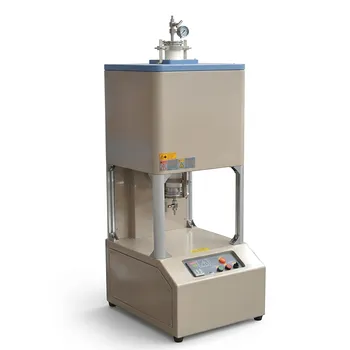
Vertical 1700C Vacuum and Atmosphere Tube Furnace with 80mm Alumina Tube
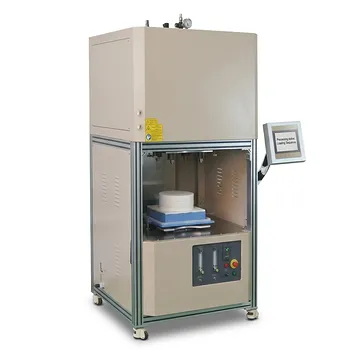
High Temperature Vertical Atmosphere Controlled Furnace with Automatic Bottom Loading and 1700°C Capacity for Advanced Material Research
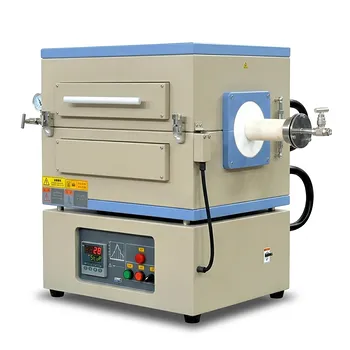
1500°C Split Tube Furnace with Alumina Tube and Vacuum Sealing Flanges for Material Research
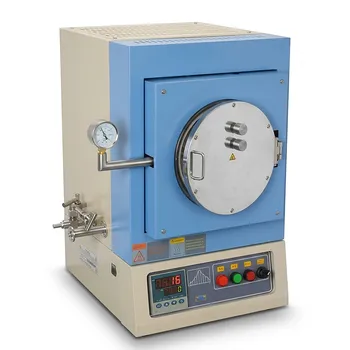
1100°C High Temperature Quartz Chamber Furnace 8 Inch OD with 7.6 Liter Capacity and Vacuum Atmosphere Capability
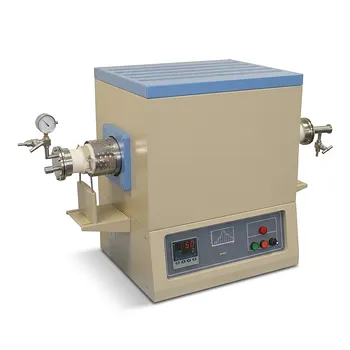
1700C High Temperature Alumina Tube Furnace with 18 Inch Heated Zone and Vacuum Sealing Flanges

High Temperature 1700C Tube Furnace with High Vacuum Turbomolecular Pump System and Multi Channel Mass Flow Controller Gas Mixer
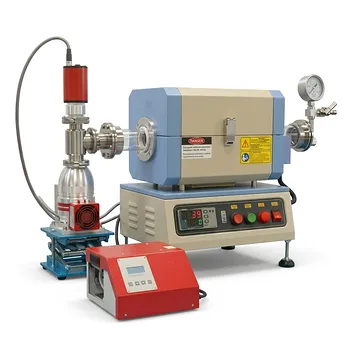
High Vacuum Compact Tube Furnace 1200C with Integrated Turbo Pump System and 8 Inch Heating Zone
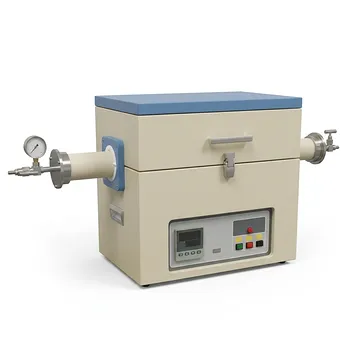
1250C Split Tube Furnace with 3 Inch Mullite Tube and Vacuum Sealing Flanges for Precision Thermal Processing
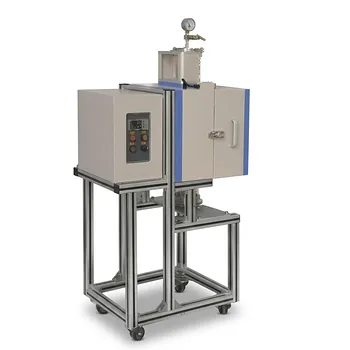
1200°C 5 Inch Vertical Quartz Tube Furnace with Stainless Steel Vacuum Flanges

1800C High Temperature Compact Vacuum Tube Furnace with 60mm OD Alumina Tube and Kanthal MoSi2 Heating Elements
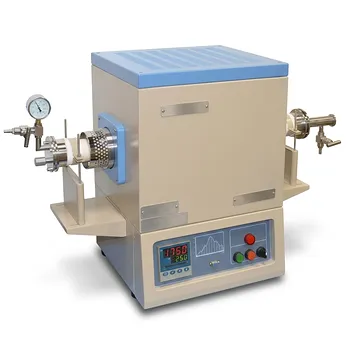
High Temperature Compact Vacuum Tube Furnace 1750C Max 60mm OD Alumina Tube
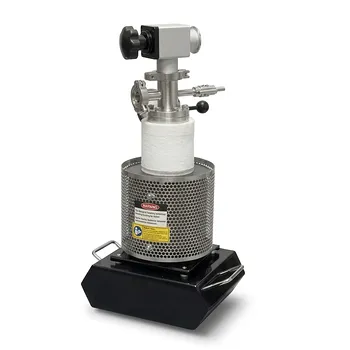
High Temperature 1100C Compact Top Loading Vertical Vacuum Tube Furnace for High Vacuum Noble Metal Melting and Material Research
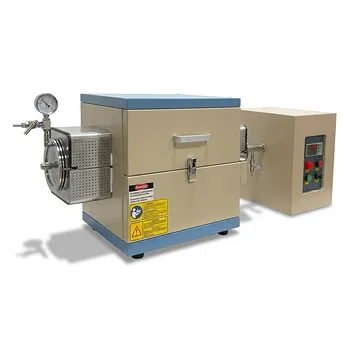
1200C High Temperature 5 Inch Split Vacuum Tube Furnace with 12 Inch Heating Zone and Separated PID Controller
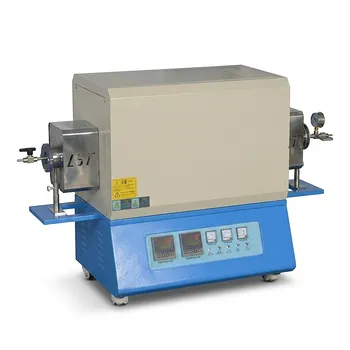
High Temperature Dual Zone Vacuum Tube Furnace for Material Research and CVD Processing
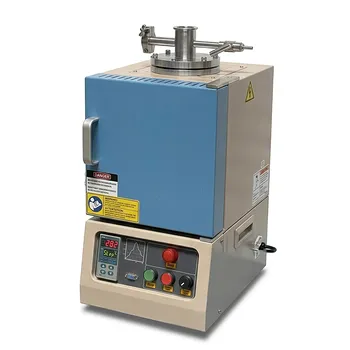
High Temperature Hybrid Muffle and Tube Furnace with Vacuum Capability and PID Control

Compact High Temperature 1600C Tube Furnace with 50mm Alumina Tube and Vacuum Flanges for Material Sintering
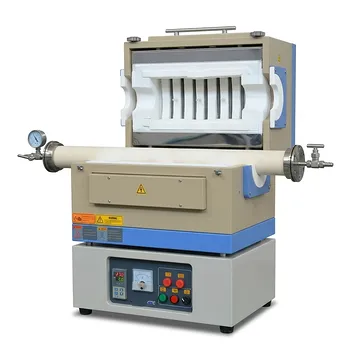
High Temperature 1600C Split Tube Furnace Vacuum Flanges Valves Optional 60mm 80mm Alumina Tube

1100C Tube Furnace with Vacuum Flange and Programmable Temperature Controller for Material Science and Industrial Heat Treatment