Why use high-purity gas or vacuum for Potassium Azide (KN3) treatment? Ensure Pure Polymeric Nitrogen Synthesis.
Updated 3 months ago
Strict environmental control is required during the thermal treatment of Potassium Azide ($KN_3$) to prevent oxidation and moisture-induced decomposition. By isolating the material from atmospheric oxygen and water vapor, you ensure the high purity necessary for the successful formation of the complex polymeric nitrogen molecular network.
Core Takeaway: To synthesize high-quality polymeric nitrogen, the thermal environment must be strictly inert or under vacuum to block impurities that trigger premature decomposition or disrupt the chemical stability of the resulting network.
The Critical Role of Environmental Isolation
Preventing Oxidation and Decomposition
The primary risk during the heating of Potassium Azide ($KN_3$) is its high reactivity toward atmospheric elements. Oxygen and moisture can cause unintended chemical reactions that lead to the decomposition of the precursor before it can form the desired nitrogen structure.
Maintaining a vacuum or using high-purity protective gas ensures that the thermal energy is directed solely toward the intended transformation. This isolation is vital to prevent oxidation, which would otherwise degrade the precursor and reduce the overall efficiency of the synthesis.
Ensuring Structural Integrity of Polymeric Nitrogen
Polymeric nitrogen synthesis involves the creation of a delicate and high-energy molecular network. If impurities from the air are present, they can interfere with the bonding process, leading to structural defects in the final product.
A controlled environment preserves the chemical stability of the synthesized nitrogen throughout the heating and, crucially, the cooling phase. Without this stability, the resulting material may lose its high-energy properties or fail to form a stable network entirely.
Maintaining Purity for Network Formation
Avoiding Impurity Interference
The formation of a polymeric nitrogen molecular network requires an environment free from competing reagents. Even trace amounts of moisture can act as a catalyst for unwanted side reactions, fundamentally altering the chemistry of the reaction product.
By utilizing high-purity protective gases, you create a barrier that ensures only the intended precursor atoms participate in the network formation. This level of control is necessary to achieve the specific bond configurations that define polymeric nitrogen.
Facilitating the Removal of Volatiles
In some thermal treatment processes, the flow of high-purity gas serves a dual purpose: providing an inert atmosphere and removing volatile compounds. These volatiles, if left to linger, can cause secondary reactions or coking that obstruct the formation of the desired structure.
Ensuring that pore channels and molecular pathways remain clear of these byproducts is essential for a high-yield synthesis. A steady flow of inert gas helps maintain a clean reaction site by flushing out these potentially harmful gaseous byproducts.
Understanding the Trade-offs
The Risk of Insufficient Purity
Using "standard" grade gases instead of high-purity alternatives introduces significant risks to the synthesis process. Even fractional percentages of oxygen can lead to carbon loss or precursor oxidation, which directly translates to a lower yield of polymeric nitrogen.
Vacuum vs. Protective Gas
While a vacuum environment offers the highest level of isolation, it can be more difficult to maintain at scale compared to a flowing gas system. Conversely, a gas system requires a constant supply of high-purity nitrogen or argon, which increases operational costs but allows for better removal of pyrolysis byproducts.
How to Apply This to Your Synthesis
When preparing for the thermal treatment of Potassium Azide, your choice of environment should align with your specific research or production requirements.
- If your primary focus is Maximum Product Purity: Utilize a high-vacuum system to eliminate almost all potential atmospheric contaminants.
- If your primary focus is Large-Scale Yield and Volatile Removal: Implement a high-purity nitrogen flow system to simultaneously protect the material and flush out reaction byproducts.
- If your primary focus is Chemical Stability during Cooling: Ensure the protective environment is maintained strictly until the material has reached room temperature to prevent post-synthesis oxidation.
Success in polymeric nitrogen synthesis depends entirely on the rigorous exclusion of oxygen and moisture to allow for the undisturbed formation of the nitrogen network.
Summary Table:
| Factor | Impact on Synthesis | Mitigation Strategy |
|---|---|---|
| Oxygen/Moisture | Causes oxidation and premature decomposition | Vacuum or High-Purity Gas |
| Atmospheric Impurities | Leads to structural defects in the nitrogen network | Strict inert isolation |
| Volatile Byproducts | Obstructs pore channels; causes secondary reactions | Flowing high-purity protective gas |
| Cooling Phase | Risk of post-synthesis oxidation | Maintain environment until room temp |
Optimize Your Synthesis with Precision Thermal Solutions
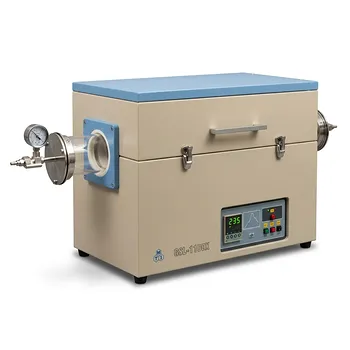
Successful polymeric nitrogen synthesis demands rigorous environmental control. THERMUNITS is a leading manufacturer of high-temperature laboratory equipment specifically designed for material science and industrial R&D. We provide the high-purity environments required for handling reactive precursors like Potassium Azide ($KN_3$).
Our comprehensive range of thermal processing solutions includes:
- Vacuum & Atmosphere Furnaces: For total isolation from oxygen and moisture.
- Tube & CVD/PECVD Systems: Perfect for controlled gas flow and volatile removal.
- Muffle, Rotary, & Hot Press Furnaces: For diverse heat treatment needs.
- Specialized Equipment: Including Dental Furnaces, VIM, and high-quality Thermal Elements.
Ensure the structural integrity of your high-energy materials with our advanced heating technology. Contact THERMUNITS today to discuss your research requirements!
References
- Liangfei Wu, Xianlong Wang. One-step synthesis of cubic gauche polymeric nitrogen with high yield just by heating. DOI: 10.1088/1674-1056/ad9569
Mentioned Products
- High Temperature Bottom Loading Vertical Furnace 1700C Dual Stage Sample Processing System 18L Large Capacity Thermal Treatment Equipment
- Compact Atmosphere Controlled Rapid Thermal Processing RTP Furnace with 4 Inch ID Quartz Tube 1100C
- Elongated Two Temperature Zone Pipe Furnace for Industrial Heat Treatment and Material Science Research
- High Temperature Dual Zone Tube Furnace for Material Science Research and Professional Thermal Processing
- 1100C Tube Furnace with Vacuum Flange and Programmable Temperature Controller for Material Science and Industrial Heat Treatment
People Also Ask
- What are the advantages of using a Bottom-Loading High-Temperature Furnace in Barium Titanate Fast Firing? Superior Microstructure
- What role does a high-temperature vertical tube furnace play in simulating high-carbon ferromanganese slag formation?
- What functions does a vertical high-temperature tube furnace perform? Master Industrial Sintering & R&D Simulation
- How does the continuous flow of high-purity argon gas protect materials? Enhance Your Furnace Process Integrity
- Why 1700°C Furnace is Vital for VSCG vs. CVD? Achieve SiC Covalent Bonding & High Thermal Conduction

Tech Team · ThermUnits
Last updated on Jun 03, 2026
Related Products
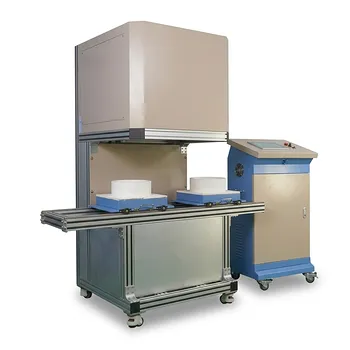
High Temperature Bottom Loading Vertical Furnace 1700C Dual Stage Sample Processing System 18L Large Capacity Thermal Treatment Equipment
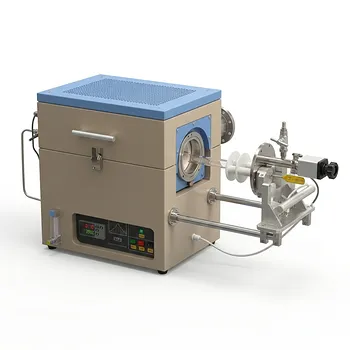
Compact Atmosphere Controlled Rapid Thermal Processing RTP Furnace with 4 Inch ID Quartz Tube 1100C
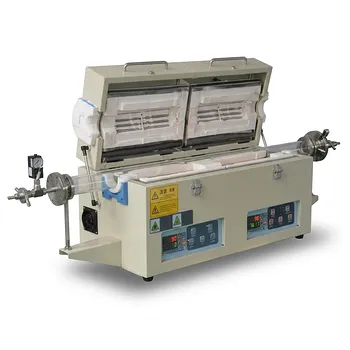
Elongated Two Temperature Zone Pipe Furnace for Industrial Heat Treatment and Material Science Research
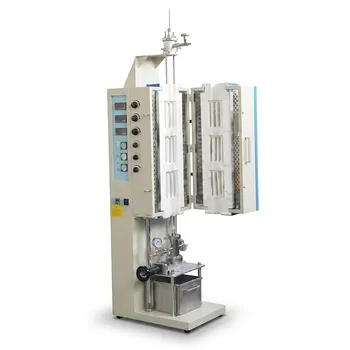
High Temperature Dual Zone Tube Furnace for Material Science Research and Professional Thermal Processing

1100C Tube Furnace with Vacuum Flange and Programmable Temperature Controller for Material Science and Industrial Heat Treatment
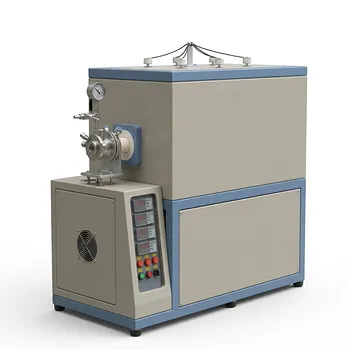
High Temperature 1700C Three Zone Tube Furnace with Alumina Tube 50mm 60mm 80mm OD for Material Research and Industrial Heat Treatment
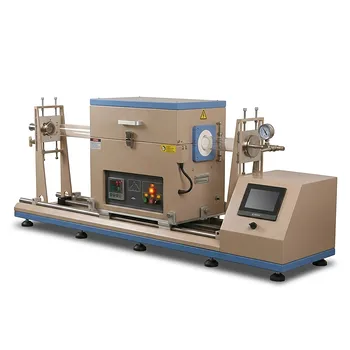
1200C Sliding Tube Furnace for Rapid Thermal Processing and CVD Graphene Growth with 100mm OD Capacity
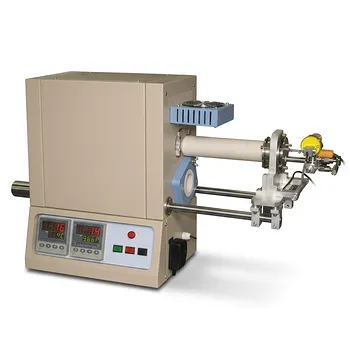
High Temperature Tube Furnace 1500C with Sliding Flanges and 50mm OD for Rapid Thermal Processing Fast Heating and Cooling
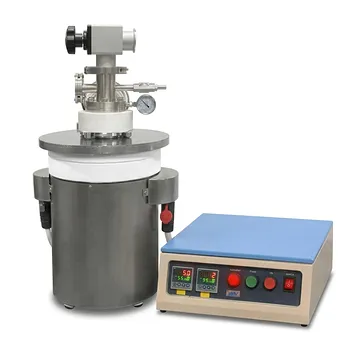
1100C High Temperature Vacuum Crucible Furnace with Quartz Chamber for Thermal Processing and Sintering

Three Zone Tube Furnace with 11 Inch or 15 Inch Quartz Tube and Hinged Flanges for Vacuum Atmosphere Heat Treatment
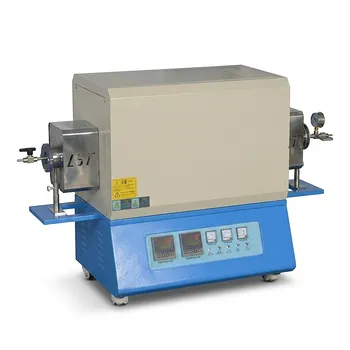
High Temperature Dual Zone Vacuum Tube Furnace for Material Research and CVD Processing
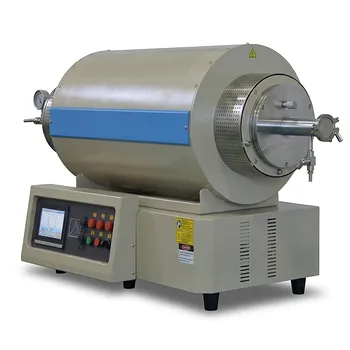
1200C Max Three Zone Tube Furnace 6 Inch OD Max with Tube and Flange
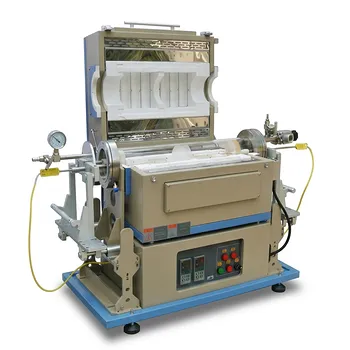
Two Zone IR Heating Rapid Thermal Processing RTP Tube Furnace with 4 Inch ID Quartz Tube and Sliding Sample Holders

Compact Vertical Split Quartz Tube Furnace with Stainless Steel Vacuum Flanges for Rapid Thermal Quenching and Controlled Atmosphere Material Processing
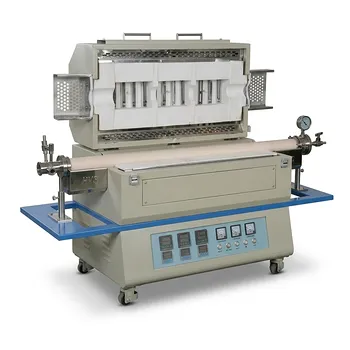
Three Temperature Zone Fast Heating Furnace 1500C Laboratory High Precision Thermal Processing System
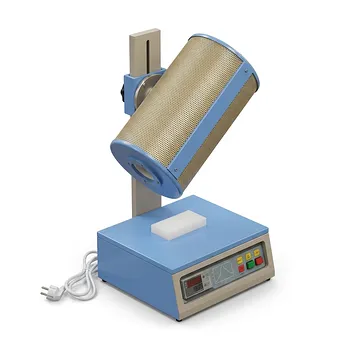
1100°C Vertical Laboratory Furnace for DIY Tubular Reactors with PID Temperature Controller
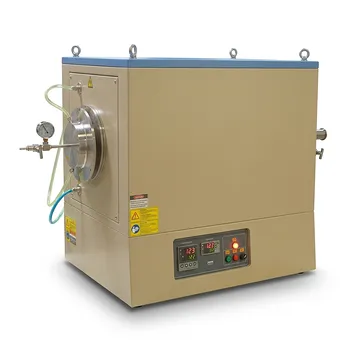
1100°C Large Diameter Quartz Tube Furnace with 24 Inch Heating Zone and Water Cooled Flanges
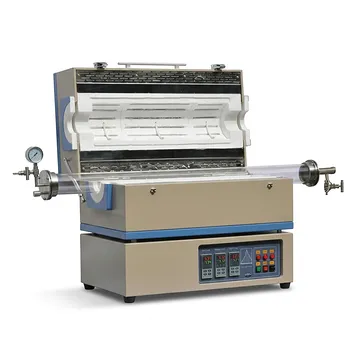
24 Inch Three Zone Split Tube Furnace with Optional Quartz Tube and Vacuum Flange System for High Temperature Material Synthesis
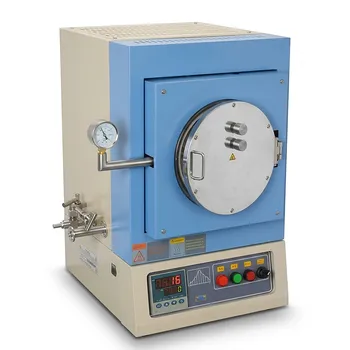
1100°C High Temperature Quartz Chamber Furnace 8 Inch OD with 7.6 Liter Capacity and Vacuum Atmosphere Capability