Function of High-Pressure Atmosphere Tube Furnace in g-C3N4 Prep: Optimizing Thermal Polycondensation
Updated 3 months ago
In the preparation of graphitic carbon nitride (g-C3N4) nanosheets, a high-pressure atmosphere tube furnace serves as the critical reactor for thermal polycondensation. It provides the precisely controlled thermal environment required to pyrolyze precursors like melamine or urea into a layered graphitic structure while utilizing an inert atmosphere to prevent material oxidation.
The furnace acts as both a chemical reactor and a structural modifier, using exact temperature ramps and protective gases to convert organic monomers into high-purity, crystalline nanosheets. By managing thermal energy and atmospheric pressure, it ensures the complete polymerization and subsequent exfoliation of the carbon nitride layers.
Facilitating Thermal Polycondensation
The Chemical Transformation of Precursors
The primary function of the furnace is to provide the high-temperature environment (typically 550°C) necessary for thermal polycondensation. During this process, precursors such as melamine or urea undergo deamination and polymerization.
The stable heat allows these monomer molecules to rearrange and link together. This results in the formation of the stable organic semiconductor framework that defines g-C3N4.
Achieving High Crystallinity
A high-precision tube furnace allows for specific heating rates, often ranging from 2°C to 5°C per minute. These controlled ramps are essential for managing nucleation and crystal growth paths.
Consistent thermal energy ensures that the material achieves high crystallinity. This structural integrity is vital for maintaining the stable energy band structures required for the material's performance in technical applications.
Engineering the Nanosheet Structure
Overcoming Interlayer Forces
To move from bulk material to nanosheets, the furnace must provide enough thermal energy to overcome interlayer van der Waals forces. High-temperature treatment, sometimes reaching 600°C, facilitates the exfoliation of the bulk structure.
This process results in ultrathin nanosheets with a high specific surface area. These sheets provide more active sites, which are necessary for constructing advanced composite materials.
Ensuring Structural Uniformity
The uniform temperature field within a tube furnace is superior to standard heating methods. This uniformity ensures that the entire batch of material undergoes the same degree of exfoliation and calcination.
Without this precision, the resulting nanosheets would have inconsistent thicknesses and varying crystalline quality. The furnace's design ensures the consistency of the exfoliation degree across the final product.
Managing the Chemical Environment
Atmosphere Control and Protection
The furnace allows for the introduction of argon or other protective gases to create a controlled atmosphere. This is critical for preventing the oxidative loss of the carbon nitride at high temperatures.
By displacing oxygen, the furnace ensures high product purity and prevents unwanted side reactions. This atmospheric management is what allows the material to survive the intense heat of 550°C to 600°C without degrading.
High-Pressure Dynamics
The "high-pressure" capability of the atmosphere furnace can influence the reaction equilibrium during polycondensation. Controlling the pressure helps manage the escape of gaseous byproducts like ammonia.
This pressure regulation can lead to denser, more stable molecular frameworks before the exfoliation stage. It provides a level of control over the porosity and density of the resulting nanosheets that standard furnaces cannot match.
Understanding the Trade-offs
Heating Rate Sensitivity
If the heating rate is too high, the rapid release of gases during polycondensation can lead to structural defects. Conversely, a rate that is too slow may lead to incomplete reactions or inefficient energy use.
Thermal Gradients
Even in high-end tube furnaces, thermal gradients can exist if the tube is not properly insulated or if the sample is too large. This can lead to a mix of bulk material and nanosheets, reducing the overall quality of the batch.
Precursor Volatility
Precursors like urea are highly volatile and can sublime before reacting if the temperature and pressure are not perfectly synchronized. This requires a delicate balance between atmosphere pressure and the thermal ramp to maximize yield.
Applying This to Your Material Synthesis
Recommendations for Optimal Nanosheet Production
- If your primary focus is high crystallinity: Prioritize a slow heating rate of 2°C/min and a stable holding time of 4 hours at 550°C to ensure complete polymerization.
- If your primary focus is maximum surface area: Utilize a higher temperature of 600°C during the final stage to maximize the thermal exfoliation of layers into ultrathin sheets.
- If your primary focus is material purity: Ensure a continuous flow of argon gas throughout the entire heating and cooling cycle to eliminate any risk of oxidation.
The high-pressure atmosphere tube furnace is the indispensable tool that transforms simple organic precursors into the sophisticated, layered nanosheet structures required for modern material science.
Summary Table:
| Key Process Stage | Role of Atmosphere Tube Furnace | Performance Impact |
|---|---|---|
| Polycondensation | Provides stable 550°C heat for precursors | Converts melamine/urea into g-C3N4 |
| Crystallinity Control | Precise heating ramps (2-5°C/min) | Ensures stable energy band structures |
| Exfoliation | High-temp treatment (up to 600°C) | Overcomes van der Waals forces for nanosheets |
| Atmosphere Protection | Argon gas displacement of oxygen | Prevents oxidative loss and material degradation |
| Pressure Dynamics | Manages gaseous byproduct escape | Controls porosity and molecular framework density |
Elevate Your Material Research with THERMUNITS Precision
Achieving the perfect crystalline structure in g-C3N4 nanosheets requires a furnace that offers more than just heat—it requires absolute atmospheric and thermal control. THERMUNITS is a premier manufacturer of high-temperature laboratory equipment specifically engineered for material science and industrial R&D.
Our extensive product lineup is designed to meet the most rigorous research standards, including:
- Atmosphere & Vacuum Tube Furnaces: Perfect for controlled polycondensation and synthesis.
- Advanced Systems: CVD/PECVD systems, Vacuum Induction Melting (VIM) furnaces, and Hot Press furnaces.
- Specialized Equipment: Muffle, Rotary, and Dental furnaces, along with high-quality Thermal Elements.
Why choose THERMUNITS? We bring unmatched expertise to your laboratory, ensuring your heat treatment processes are consistent, efficient, and scalable. From initial nucleation to final exfoliation, our equipment provides the stability your innovations demand.
Contact Our Experts Today to Find Your Ideal Thermal Solution
References
- Hubing Li, Xin Xiao. The Preparation of g-C3N4/ZnIn2S4 Nano-Heterojunctions and Their Enhanced Efficient Photocatalytic Hydrogen Production. DOI: 10.3390/molecules29112571
Mentioned Products
- 1100C Eight Zone High Pressure Super Alloy Tube Furnace with Integrated High Pressure Gas Control System
- 1750°C High Temperature Benchtop Vacuum Atmosphere Tube Furnace with Kanthal Super 1800 Heating Elements and 60mm Alumina Processing Tube
- 1100C High Pressure Rocking Tube Furnace with 2 Inch Super Alloy Processing Tube for Material Synthesis
- Vertical 1700C Vacuum and Atmosphere Tube Furnace with 80mm Alumina Tube
- 1500°C Split Tube Furnace with Alumina Tube and Vacuum Sealing Flanges for Material Research
People Also Ask
- Why is a high-pressure tube furnace required for the nitriding process of Fe-Cr-N alloys? Enhance Phase Stability
- What role does a high-temperature atmosphere tube furnace play in Co-doped ZIF-8 conversion? Optimize Co/N/C Catalysts.
- Why use an atmosphere tube furnace for carbon fiber carbonization? Key to structural strength and precision.
- Which process conditions does a tube furnace provide for (FeMn-DA)–N–C synthesis? Expert Pyrolysis Guide
- What is the function of a high-temperature atmosphere tube furnace in the preparation of reduced graphene oxide? Guide

Tech Team · ThermUnits
Last updated on Jun 02, 2026
Related Products
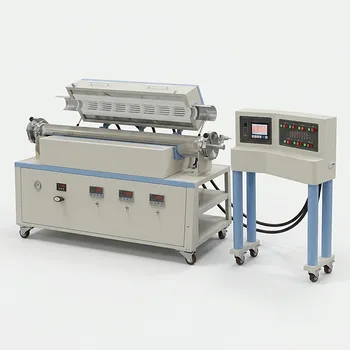
1100C Eight Zone High Pressure Super Alloy Tube Furnace with Integrated High Pressure Gas Control System
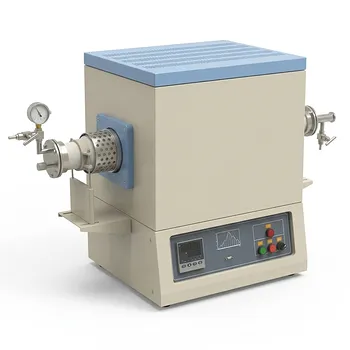
1750°C High Temperature Benchtop Vacuum Atmosphere Tube Furnace with Kanthal Super 1800 Heating Elements and 60mm Alumina Processing Tube
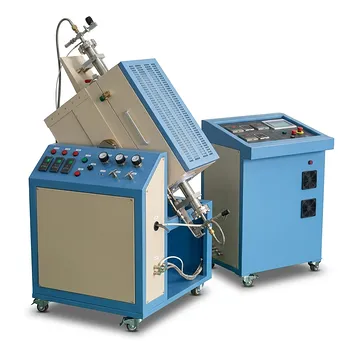
1100C High Pressure Rocking Tube Furnace with 2 Inch Super Alloy Processing Tube for Material Synthesis

Vertical 1700C Vacuum and Atmosphere Tube Furnace with 80mm Alumina Tube
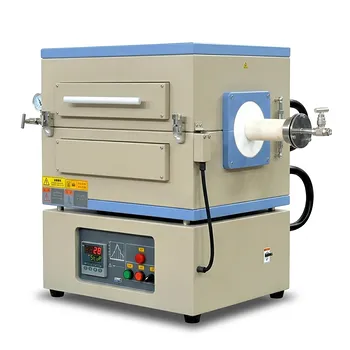
1500°C Split Tube Furnace with Alumina Tube and Vacuum Sealing Flanges for Material Research
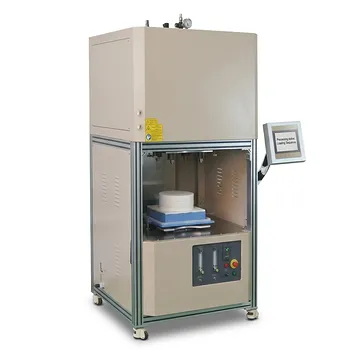
High Temperature Vertical Atmosphere Controlled Furnace with Automatic Bottom Loading and 1700°C Capacity for Advanced Material Research
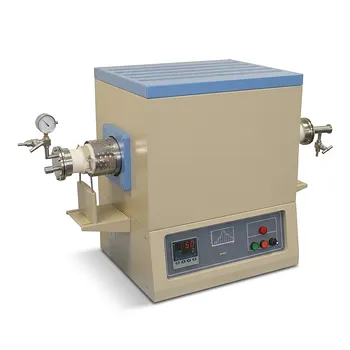
1700C High Temperature Alumina Tube Furnace with 18 Inch Heated Zone and Vacuum Sealing Flanges
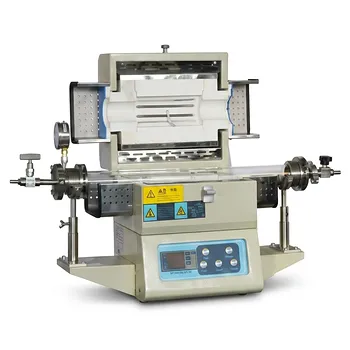
High Temperature 1200C Split Tube Furnace for CVD Research and Vacuum Atmosphere Heat Treatment

1200°C 5 Inch Vertical Quartz Tube Furnace with Stainless Steel Vacuum Flanges
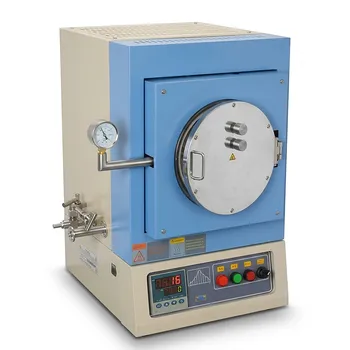
1100°C High Temperature Quartz Chamber Furnace 8 Inch OD with 7.6 Liter Capacity and Vacuum Atmosphere Capability
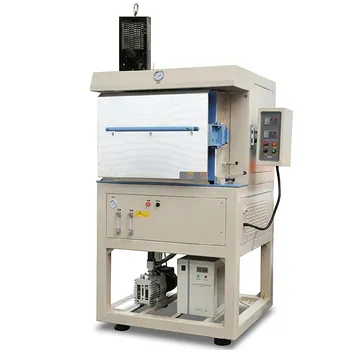
1200C Hydrogen Atmosphere Box Furnace with 5 Heated Sides and 64L Chamber

High Temperature 1700C Tube Furnace with High Vacuum Turbomolecular Pump System and Multi Channel Mass Flow Controller Gas Mixer
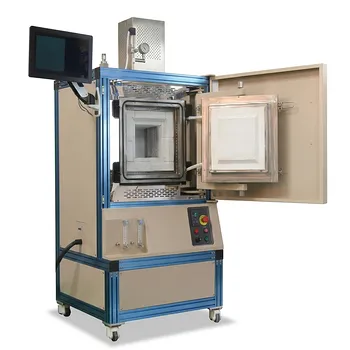
High Temperature Hydrogen Atmosphere Box Furnace 1650C Max Reducing Environment Material Synthesis System 8x8x8 Chamber
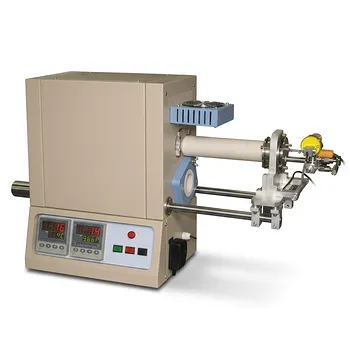
High Temperature Tube Furnace 1500C with Sliding Flanges and 50mm OD for Rapid Thermal Processing Fast Heating and Cooling
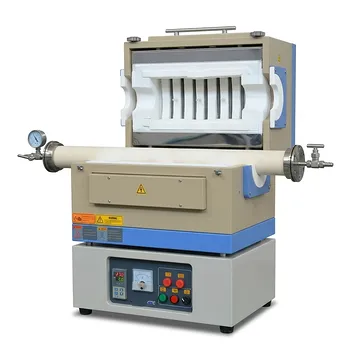
High Temperature 1600C Split Tube Furnace Vacuum Flanges Valves Optional 60mm 80mm Alumina Tube
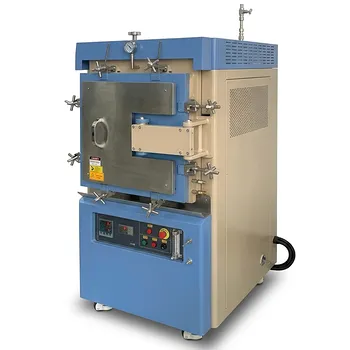
Atmosphere Controlled Muffle Furnace 1700C Maximum Temperature 80L High Capacity Vacuum Inert Gas Box Furnace

1700C Hydrogen Gas Tube Furnace with 60mm Alumina Process Tube and Integrated Hydrogen Safety Detector

High Vacuum Compact Tube Furnace 1200C with Integrated Turbo Pump System and 8 Inch Heating Zone

Compact High Temperature 1600C Tube Furnace with 50mm Alumina Tube and Vacuum Flanges for Material Sintering