What is the primary role of high vacuum or atmosphere tube furnaces in lithium battery anode recycling? Pure Results.
Updated 3 months ago
The primary role of high vacuum or atmosphere tube furnaces in recycling spent lithium battery anodes is to provide a controlled, oxygen-free thermal environment that purifies graphite and modifies its surface structure. This equipment facilitates the removal of organic binders, separator fragments, and electrolytes while simultaneously performing in-situ carbonization of impurities into amorphous carbon.
By isolating the material from reactive gases, these furnaces establish the physical and chemical foundation necessary for efficient lithium extraction and the eventual restoration of the graphite’s electrochemical performance.
Facilitating Chemical Purification and Carbonization
The Removal of Organic Contaminants
Spent anode materials are typically coated with residual electrolytes and binders like polyvinylidene fluoride (PVDF). High-temperature processing within the tube furnace breaks these molecular chains, effectively stripping away the physical barriers that would otherwise interfere with downstream recycling steps.
In-situ Carbonization of Impurities
Rather than simply burning off all organic matter, the controlled heat treatment performs in-situ carbonization. This process converts residual organic impurities into amorphous carbon, which helps stabilize the graphite surface and prepares it for structural restoration.
Surface Purification for Lithium Recovery
By removing separator fragments and organic residues, the furnace ensures that the graphite surface is fully exposed. This exposure is critical for the subsequent leaching of lithium and other valuable metals, as it removes the "passivation" layers created during the battery's lifecycle.
The Importance of Atmosphere Control
Prevention of Graphite Oxidation
Graphite is highly susceptible to oxidation at the high temperatures required for purification. Using a high vacuum or an inert atmosphere (such as Argon or Nitrogen) prevents the graphite from reacting with oxygen, ensuring the carbon structure remains intact rather than turning into carbon dioxide gas.
Decarburization and Contamination Shielding
The vacuum environment evacuations air to create an oxygen-free or extremely low-oxygen state. This prevents decarburization—the loss of carbon from the surface—and protects the high-purity material from environmental contaminants that could degrade its electrical conductivity.
Precision Thermal Regulation
Tube furnaces allow for specific temperature gradients, often ranging from 600°C to 1000°C. This precision ensures that atoms within the anode material can rearrange effectively, facilitating transitions from amorphous states to more organized crystalline structures without damaging the bulk material.
Understanding the Trade-offs and Limitations
Energy Intensity and Throughput
The use of high vacuum systems and precise atmosphere control significantly increases energy consumption compared to standard muffle furnaces. While the quality of the recovered graphite is higher, the process is generally slower and more expensive to scale for mass industrial recycling.
Management of Off-Gassing
Decomposing binders and electrolytes releases volatile organic compounds (VOCs) and potentially corrosive gases like hydrogen fluoride (HF). If the furnace system does not include robust scrubbing or secondary combustion units, these gases can damage the vacuum equipment or pose environmental hazards.
Risk of Material Sintering
Excessive heat or prolonged calcination can lead to unwanted sintering, where particles fuse together. If the temperature is not strictly regulated, the diffusion of atoms can go too far, making it difficult to achieve the desired micron-sized particle distribution required for "new" battery production.
Implementing Precise Heat Treatment in Recycling
To achieve the best results in anode material recovery, the furnace parameters must be aligned with the specific goals of the recycling operation.
- If your primary focus is Maximum Graphite Purity: Utilize a high vacuum (rather than just an inert gas) to ensure the complete evacuation of volatile impurities and prevent any surface oxidation.
- If your primary focus is Efficient Lithium Leaching: Focus on lower-range temperatures (approx. 400°C to 600°C) to decompose binders and expose active surfaces without inducing significant structural changes in the graphite.
- If your primary focus is Performance Restoration: Prioritize high-temperature annealing (800°C+) in an Argon atmosphere to encourage the rearrangement of carbon atoms into a more crystalline, "battery-grade" structure.
The strategic use of controlled-atmosphere furnaces transforms spent anode waste into a high-value, purified feedstock essential for a circular battery economy.
Summary Table:
| Feature | Role in Anode Recycling | Key Impact |
|---|---|---|
| Atmosphere Control | Prevents graphite oxidation using Ar/N2 or Vacuum | Preserves carbon structure integrity |
| Thermal Stripping | Decomposes organic binders (PVDF) and electrolytes | Removes physical barriers for leaching |
| Carbonization | Converts impurities into amorphous carbon | Stabilizes surface for performance recovery |
| Precision Heating | Regulates temperatures between 600°C and 1000°C | Enables crystalline rearrangement |
Maximize Your Recovery Yield with THERMUNITS
As a leading manufacturer of high-temperature laboratory equipment for material science and industrial R&D, THERMUNITS provides the precision tools needed for advanced battery recycling. Our comprehensive range of thermal solutions—including Tube, Vacuum, Atmosphere, Rotary, and Muffle furnaces, as well as CVD/PECVD systems and Vacuum Induction Melting (VIM) furnaces—are designed to deliver the exact controlled environments required for lithium anode purification.
Whether you are scaling up industrial R&D or refining laboratory heat treatment processes, our equipment ensures superior material performance and consistency. Contact us today to discuss how our thermal expertise can accelerate your material science innovations!
References
- Riquan Yu, Yaguang Zhang. Efficient Regeneration of Graphite from Spent Lithium-Ion Batteries through Combination of Thermal and Wet Metallurgical Approaches. DOI: 10.3390/ma17163883
Mentioned Products
- 1750°C High Temperature Benchtop Vacuum Atmosphere Tube Furnace with Kanthal Super 1800 Heating Elements and 60mm Alumina Processing Tube
- Vertical 1700C Vacuum and Atmosphere Tube Furnace with 80mm Alumina Tube
- Vertical Openable Tube Furnace 0-1700c High Temperature Laboratory System for CVD and Vacuum Heat Treatment
- 1100C Tube Furnace with Vacuum Flange and Programmable Temperature Controller for Material Science and Industrial Heat Treatment
- 1500°C Split Tube Furnace with Alumina Tube and Vacuum Sealing Flanges for Material Research
People Also Ask
- What core functions does a high-temperature vacuum tube furnace provide? Optimize np-CuSn Sintering & Joint Integrity
- What is the role of a high-temperature tube furnace in the calcination process of ZnO/In2O3 nanocomposites?
- What role does a high-temperature tube furnace play in the sulfidation heat treatment of CoS@C/MXene nanocomposites? Guide
- Why is a high-temperature tube furnace required for CuAlO2 heat treatment? Master Phase Transformation Today
- What role does a high-temperature tube furnace play in executing nitrogen absorption kinetic experiments? Expert Insights

Tech Team · ThermUnits
Last updated on Jun 03, 2026
Related Products

1750°C High Temperature Benchtop Vacuum Atmosphere Tube Furnace with Kanthal Super 1800 Heating Elements and 60mm Alumina Processing Tube

Vertical 1700C Vacuum and Atmosphere Tube Furnace with 80mm Alumina Tube
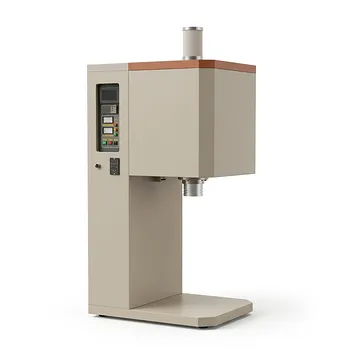
Vertical Openable Tube Furnace 0-1700c High Temperature Laboratory System for CVD and Vacuum Heat Treatment

1100C Tube Furnace with Vacuum Flange and Programmable Temperature Controller for Material Science and Industrial Heat Treatment
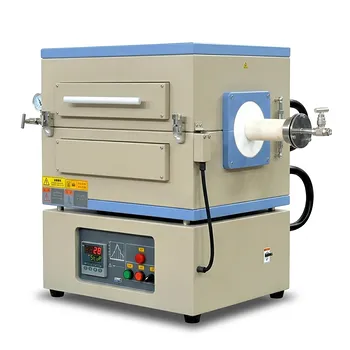
1500°C Split Tube Furnace with Alumina Tube and Vacuum Sealing Flanges for Material Research
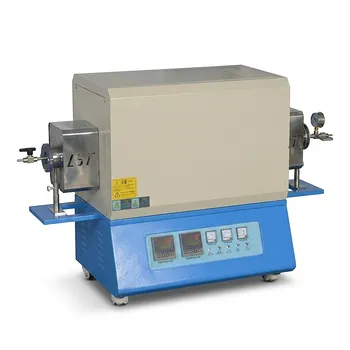
High Temperature Dual Zone Vacuum Tube Furnace for Material Research and CVD Processing
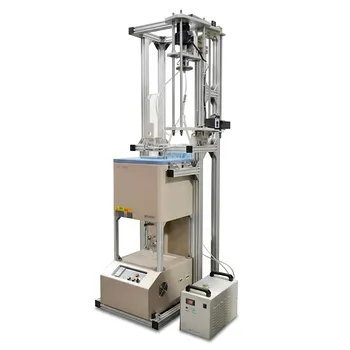
500C Vacuum Vertical Tube Furnace 84mm OD Sample Rotation Lifting System

High Temperature 1700C Vertical Tube Furnace for Powder Spherification and Material Sintering

1700C High Temperature Alumina Tube Furnace with 18 Inch Heated Zone and Vacuum Sealing Flanges
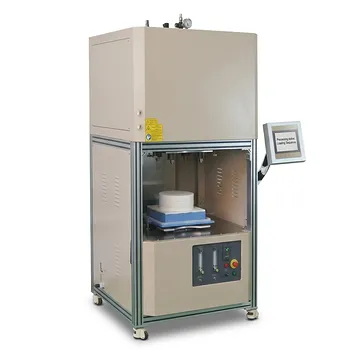
High Temperature Vertical Atmosphere Controlled Furnace with Automatic Bottom Loading and 1700°C Capacity for Advanced Material Research
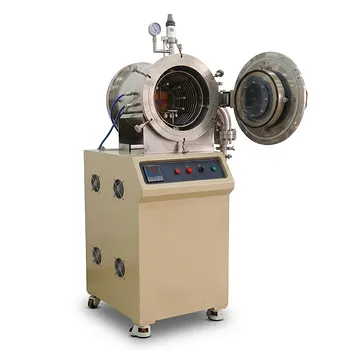
High Temperature Cold Wall High Vacuum Chamber Furnace 1400C for Advanced Material Processing

1800C High Temperature Compact Vacuum Tube Furnace with 60mm OD Alumina Tube and Kanthal MoSi2 Heating Elements
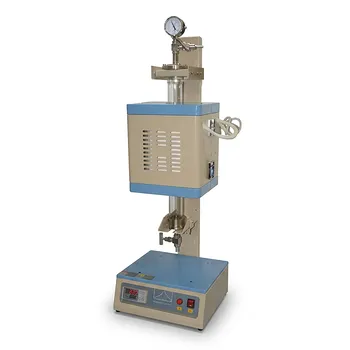
Compact Vertical Split Quartz Tube Furnace with Stainless Steel Vacuum Flanges for Rapid Thermal Quenching and Controlled Atmosphere Material Processing
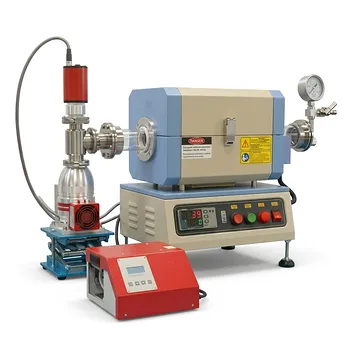
High Vacuum Compact Tube Furnace 1200C with Integrated Turbo Pump System and 8 Inch Heating Zone

High Temperature Automated 5 Inch Tube Furnace for Autonomous Material Research and Advanced Laboratory R&D
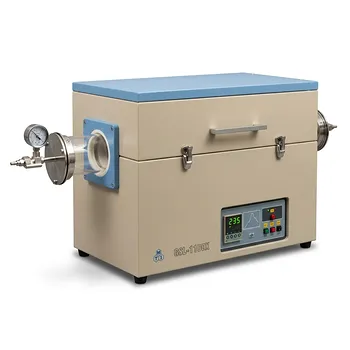
Single Zone Tube Furnace 5 Inch Quartz Tube 36 Inch Heating Zone Vacuum Flanges
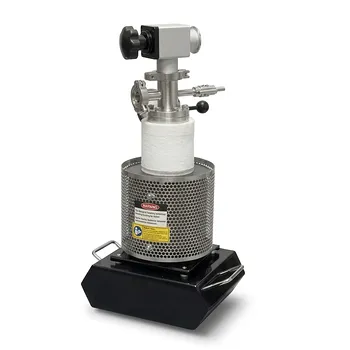
High Temperature 1100C Compact Top Loading Vertical Vacuum Tube Furnace for High Vacuum Noble Metal Melting and Material Research
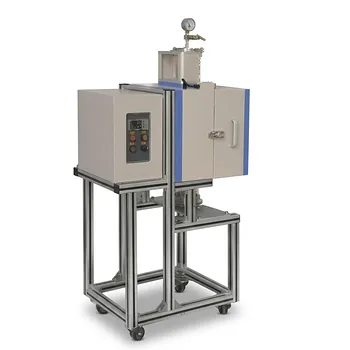
1200°C 5 Inch Vertical Quartz Tube Furnace with Stainless Steel Vacuum Flanges
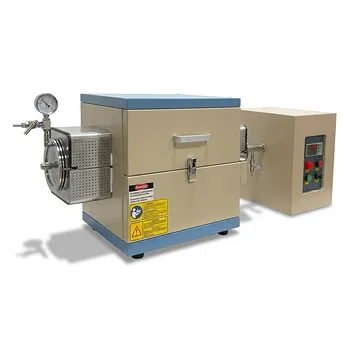
1200C High Temperature 5 Inch Split Vacuum Tube Furnace with 12 Inch Heating Zone and Separated PID Controller
