What is the purpose of introducing CO2 into a high-temp tube furnace? Master Physical Activation of Carbon Sphere Gels
Updated 3 months ago
Introducing carbon dioxide (CO2) into a high-temperature tube furnace serves as the primary mechanism for physical activation by inducing controlled partial oxidation of the carbon framework. At temperatures typically ranging from 900°C to 1000°C, the CO2 gas reacts with the solid carbon to etch a dense network of micropores into the material's walls. This process is essential for transforming dense carbon sphere gels into high-performance materials with specific surface areas that can exceed 3600 m²/g.
The introduction of CO2 facilitates the "Reverse Boudouard Reaction," where the gas selectively consumes carbon atoms to carve out a complex pore structure. This controlled gasification is the definitive step in maximizing a material’s surface area and regulating its pore size distribution for advanced technical applications.
The Chemical Mechanism of Physical Activation
The Reverse Boudouard Reaction
At high temperatures, CO2 acts as a mild oxidant that interacts with the carbon skeleton through the chemical reaction C + CO2 → 2CO. This reaction, often referred to as the Reverse Boudouard reaction, results in the local gasification of the carbon material.
Selective Carbon Etching
Unlike high-temperature treatment in a purely inert atmosphere, the presence of CO2 allows for the selective removal of carbon atoms. This etching process is what creates the "voids" or pores within the carbon spheres, effectively turning a solid mass into a highly porous "carbon skeleton."
Creating a Controlled Redox Environment
The CO2 atmosphere creates a precise redox environment within the tube furnace. While it reacts with the carbon, it also functions as a protective gas that prevents the material from undergoing excessive thermal oxidation or burning away completely, which would occur in an oxygen-rich environment.
Structural and Performance Impacts
Maximizing Specific Surface Area
The primary goal of CO2 activation is the dramatic increase in specific surface area. By etching micropores into the carbon walls, the internal area available for chemical or physical interactions can increase from a negligible amount to over 3600 m²/g.
Regulating Pore Size Distribution
The flow rate of CO2 and the furnace temperature are critical variables used to regulate pore size distribution. This allows engineers to tune the ratio of micropores (small) to mesopores (medium), which is essential for optimizing how the material stores ions or adsorbs specific molecules.
Enhancing Electrochemical and Adsorption Capacity
By optimizing the pore structure, CO2 activation directly improves electrochemical energy storage performance. The increased surface area and defined pore channels allow for faster ion transport and greater storage capacity in applications like supercapacitors and batteries.
Understanding the Trade-offs
Carbon Yield vs. Porosity
There is a fundamental trade-off between the degree of activation and the final yield of the material. As CO2 "eats" more carbon to create more pores, the total mass of the final product decreases; excessive activation can lead to a collapse of the structural integrity of the carbon spheres.
Energy Consumption and Reaction Time
Achieving the necessary temperatures (900°C+) for CO2 activation requires significant thermal energy. Longer activation times may produce higher surface areas but also increase the risk of "over-activation," where micropores merge into larger, less useful macropores.
Kinetic Control Challenges
The reaction is endothermic, meaning it requires constant heat input to maintain the 900°C threshold. Variations in the temperature field uniformity within the tube furnace can lead to inconsistent activation levels across a single batch of material.
How to Optimize Activation for Your Goal
To achieve the best results when using CO2 activation in a tube furnace, consider your final application requirements:
- If your primary focus is maximizing energy storage capacity: Prioritize higher activation temperatures (approx. 900°C) and longer CO2 exposure to push the specific surface area toward the 3600 m²/g range.
- If your primary focus is gas separation or filtration: Focus on shorter activation pulses to maintain a high density of narrow micropores, which provide better molecular sieving capabilities.
- If your primary focus is structural integrity or high yield: Use a lower CO2 flow rate or a slightly lower temperature to prevent excessive carbon "burn-off" and maintain the spherical shape of the gels.
By precisely controlling the interaction between the CO2 atmosphere and the carbon skeleton, you can engineer a material that meets the specific demands of high-tech adsorption and energy storage systems.
Summary Table:
| Feature | Physical Activation via CO2 Introduction |
|---|---|
| Chemical Reaction | Reverse Boudouard Reaction (C + CO2 → 2CO) |
| Temperature Range | 900°C to 1000°C |
| Primary Purpose | Controlled etching of carbon to create micropores |
| Surface Area Impact | Can exceed 3600 m²/g |
| Key Variables | Flow rate, furnace temperature, and activation time |
| Main Applications | Supercapacitors, batteries, and gas adsorption |
Elevate Your Material Research with THERMUNITS
Are you looking to achieve precise pore control and maximize surface area in your carbon materials? THERMUNITS is a leading manufacturer of high-temperature laboratory equipment specifically designed for material science and industrial R&D. We provide the high-performance tools necessary for complex thermal processing, including:
- Tube & Rotary Furnaces: Ideal for precise gas atmosphere control and CO2 activation.
- CVD/PECVD Systems: For advanced chemical vapor deposition and coating.
- Muffle, Vacuum & Atmosphere Furnaces: Ensuring uniform heating environments.
- Specialized Equipment: Including VIM (Vacuum Induction Melting), Hot Press furnaces, and Dental furnaces.
Whether you are refining the Reverse Boudouard reaction or developing next-generation energy storage, our equipment delivers the thermal stability and atmospheric precision your research demands.
Contact our expert team today to find the perfect thermal solution for your laboratory and accelerate your development cycle!
References
- Miralem Salihović, Michael S. Elsaesser. Black goes green: single-step solvent exchange for sol-gel synthesis of carbon spherogels as high-performance supercapacitor electrodes. DOI: 10.1039/d3ya00480e
Mentioned Products
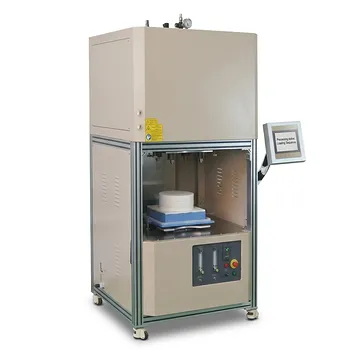
- High Temperature 1700C Vertical Tube Furnace for Powder Spherification and Material Sintering
- High Temperature Tube Furnace 1500C with Sliding Flanges and 50mm OD for Rapid Thermal Processing Fast Heating and Cooling
- 1800C High Temperature Compact Vacuum Tube Furnace with 60mm OD Alumina Tube and Kanthal MoSi2 Heating Elements
- High Temperature 1700C Tube Furnace with High Vacuum Turbomolecular Pump System and Multi Channel Mass Flow Controller Gas Mixer
- 1200C Sliding Tube Furnace for Rapid Thermal Processing and CVD Graphene Growth with 100mm OD Capacity
People Also Ask
- What role does a high-temperature vertical tube furnace play in simulating high-carbon ferromanganese slag formation?
- What functions does a vertical high-temperature tube furnace perform? Master Industrial Sintering & R&D Simulation
- What is the primary function of a high-temperature tube furnace in Cu1-N-C synthesis? Precision Thermal Control.
- High-Temp Tube Furnace Role in Converting Microbial Proteins to Iron Single-Atom Sites: Expert Synthesis Guide
- What impact does the heating rate of a tube furnace have on biochar microstructure? Optimize Your Material R&D.

Tech Team · ThermUnits
Last updated on Jun 03, 2026
Related Products

High Temperature 1700C Vertical Tube Furnace for Powder Spherification and Material Sintering

High Temperature Tube Furnace 1500C with Sliding Flanges and 50mm OD for Rapid Thermal Processing Fast Heating and Cooling

1800C High Temperature Compact Vacuum Tube Furnace with 60mm OD Alumina Tube and Kanthal MoSi2 Heating Elements

High Temperature 1700C Tube Furnace with High Vacuum Turbomolecular Pump System and Multi Channel Mass Flow Controller Gas Mixer
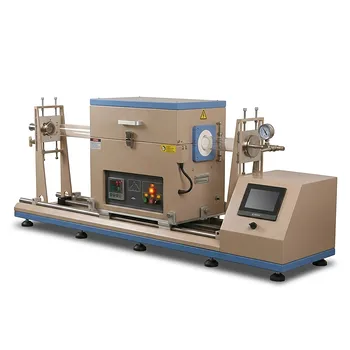
1200C Sliding Tube Furnace for Rapid Thermal Processing and CVD Graphene Growth with 100mm OD Capacity
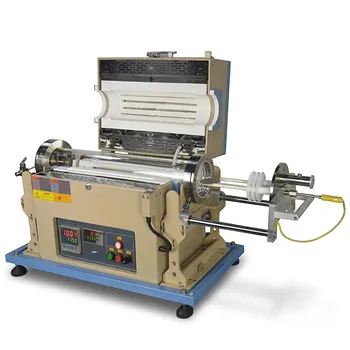
1200°C High Temperature 4 Inch Tube Furnace with Sliding Flange for CVD Systems
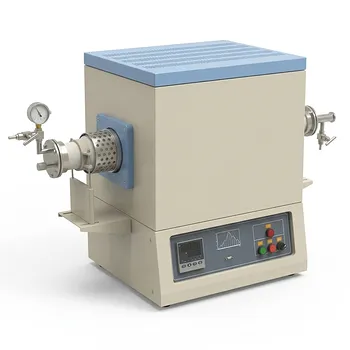
1750°C High Temperature Benchtop Vacuum Atmosphere Tube Furnace with Kanthal Super 1800 Heating Elements and 60mm Alumina Processing Tube
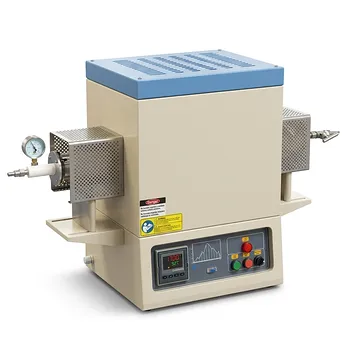
High Temperature Three Zone Tube Furnace 1700C with Alumina Tube and Water Cooled Flanges
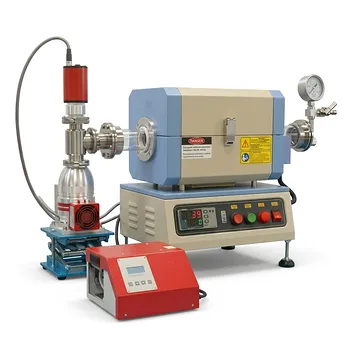
High Vacuum Compact Tube Furnace 1200C with Integrated Turbo Pump System and 8 Inch Heating Zone
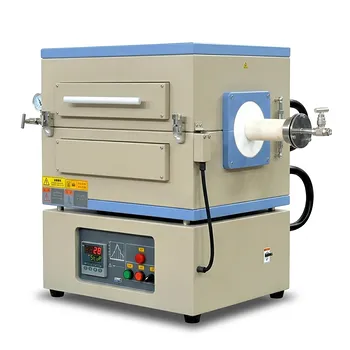
1500°C Split Tube Furnace with Alumina Tube and Vacuum Sealing Flanges for Material Research
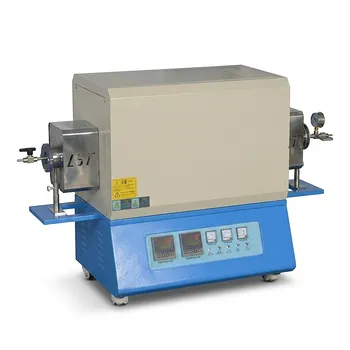
High Temperature Dual Zone Vacuum Tube Furnace for Material Research and CVD Processing

High Temperature 1700C Benchtop Tube Furnace with 5 Inch Heating Zone High Purity Alumina Tube and Vacuum Sealing Flanges
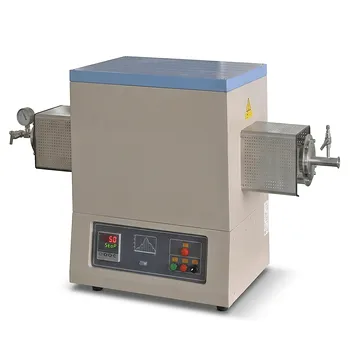
High Temperature 1700C Tube Furnace with 4 Inch OD Alumina Tube and Vacuum Sealing Flanges
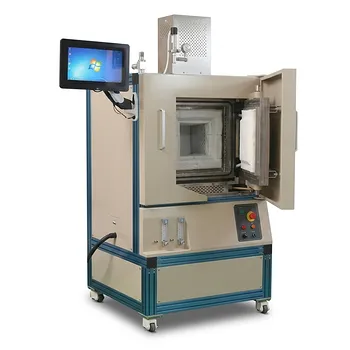
High Temperature Oxygen and Inert Atmosphere Controlled Furnace 8 Liter 1700C Sintering System for Advanced Materials RD

Compact High Temperature 1600C Tube Furnace with 50mm Alumina Tube and Vacuum Flanges for Material Sintering

High Temperature Automated 5 Inch Tube Furnace for Autonomous Material Research and Advanced Laboratory R&D
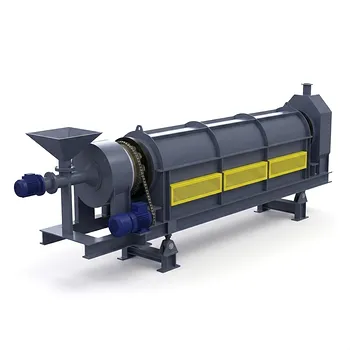
Electric Rotary Kiln Small Rotary Furnace for Activated Carbon Regeneration
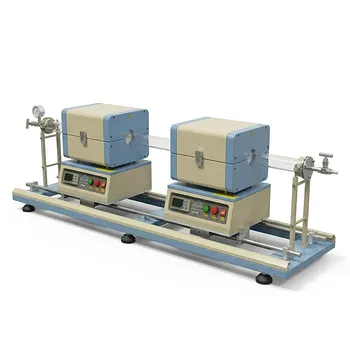
1200C Max Dual Sliding Tube Furnace with 50 mm Tube Flanges for CVD
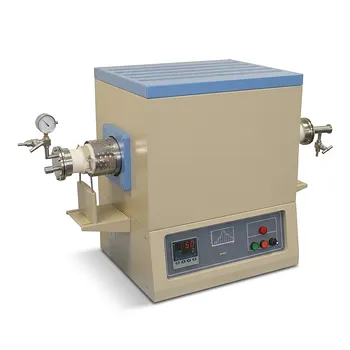
1700C High Temperature Alumina Tube Furnace with 18 Inch Heated Zone and Vacuum Sealing Flanges