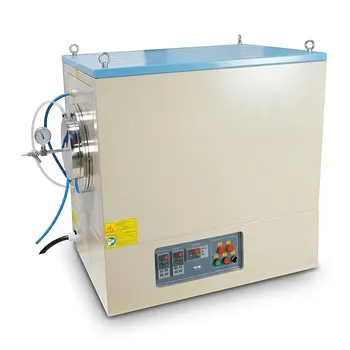
What is the function of a multi-zone Bridgman-type tube furnace in the directional solidification of Al-Si alloys?
Updated 3 months ago
A multi-zone Bridgman-type tube furnace establishes a precise, stable temperature gradient that enables the controlled, unidirectional solidification of hypereutectic aluminum-silicon (Al-Si) alloys. By utilizing multiple independently controlled heating segments, the furnace allows researchers to manipulate the movement speed of the solidification interface. This precision is essential for isolating and studying how cooling rates and thermal gradients dictate the final microstructure and distribution of primary silicon particles within the alloy.
The multi-zone Bridgman furnace serves as a high-precision thermal tool that decouples solidification variables, allowing for the creation of specific temperature profiles that are impossible to achieve with single-zone heating systems. By maintaining a steady unidirectional front, it provides a laboratory environment to model and optimize the material properties of complex alloys.
The Mechanism of Multi-Zone Thermal Control
Independent Heating Segments
Unlike standard furnaces, a multi-zone system incorporates two or more independently controlled heating circuits along the length of the tube. This configuration allows for the creation of distinct thermal "steps" or a smooth gradient by setting each zone to a different temperature.
Establishing the Temperature Gradient
In Bridgman-type solidification, the sample is typically moved through a static temperature gradient or the furnace temperature is shifted relative to the sample. The multi-zone design ensures that the thermal gradient remains steep and linear, which is critical for preventing stray nucleation ahead of the primary solidification front.
Stabilizing the Solidification Interface
By fine-tuning the power to individual zones, researchers can maintain a flat and stable interface between the liquid melt and the solid alloy. This stability is vital for ensuring that the solidification is truly unidirectional, allowing for a clear correlation between experimental parameters and the resulting material structure.
Manipulating Microstructure in Hypereutectic Al-Si Alloys
Controlling Primary Silicon Morphology
Hypereutectic Al-Si alloys are characterized by the presence of large, often brittle primary silicon particles that form during cooling. The multi-zone furnace allows for the precise regulation of the "G/V ratio" (temperature gradient over growth velocity), which directly influences whether these particles are coarse or refined.
Isolating Solidification Velocity
Because the temperature gradient is held constant by the multiple zones, researchers can vary the solidification interface speed (pulling rate) as a single independent variable. This reveals how the velocity of the cooling front affects the spacing of the eutectic structure and the size of the primary silicon phases.
Enhancing Material Homogeneity
Controlled directional solidification minimizes the "gravity segregation" often seen in bulk casting, where silicon particles might float or sink. The furnace's ability to maintain a unidirectional heat flow ensures a more uniform distribution of phases throughout the length of the sample.
Understanding the Trade-offs
System Complexity and Calibration
The primary challenge of a multi-zone setup is the complexity of thermal synchronization. Because heat from one zone naturally bleeds into the next (thermal crosstalk), sophisticated PID controllers and frequent calibrations are required to maintain a truly linear gradient.
Thermal Lag and Response Time
While multi-zone furnaces offer high precision, they often suffer from thermal inertia. Rapidly changing the gradient during an experiment is difficult, meaning these systems are best suited for steady-state solidification rather than highly dynamic thermal cycling.
Sample Geometry Constraints
Bridgman-type furnaces are generally optimized for cylindrical or slender samples. Scaling the directional solidification process to large or complex parts is technically difficult and often requires moving from a laboratory furnace to industrial-scale casting equipment.
Applying This Technology to Your Research Goals
How to Apply This to Your Project
When utilizing a multi-zone Bridgman furnace, your experimental setup should be dictated by the specific material property you wish to optimize.
- If your primary focus is refining primary silicon particles: Increase the temperature gradient (G) and the solidification velocity (V) to achieve a higher cooling rate at the interface.
- If your primary focus is studying fundamental phase transitions: Maintain a very low solidification velocity and a steep gradient to ensure the system stays as close to local equilibrium as possible.
- If your primary focus is achieving maximum alloy homogeneity: Ensure the furnace zones are calibrated to produce a perfectly flat solidification front to prevent lateral solute segregation.
By mastering the independent controls of a multi-zone furnace, you transform the solidification of hypereutectic alloys from a random cooling process into a predictable, engineered transition.
Summary Table:
| Feature | Functional Benefit for Al-Si Alloys |
|---|---|
| Independent Zones | Creates precise, stable thermal gradients for interface control. |
| G/V Ratio Control | Refines primary silicon morphology and dictates cooling rates. |
| Unidirectional Flow | Minimizes gravity segregation and ensures material homogeneity. |
| PID Calibration | Decouples solidification variables for predictable research results. |
Elevate Your Material Research with THERMUNITS Precision
As a leading manufacturer of high-temperature laboratory equipment, THERMUNITS provides the advanced thermal processing solutions required for cutting-edge material science and industrial R&D. Our specialized systems enable researchers to manipulate complex microstructures with absolute control.
Our value to your laboratory:
- Comprehensive Solutions: We offer a wide range of equipment including Tube, Vacuum, Atmosphere, Muffle, and Rotary furnaces, as well as CVD/PECVD systems and Vacuum Induction Melting (VIM) units.
- Precision Engineering: Specifically designed for applications like directional solidification, ensuring stable G/V ratios and uniform heat flow.
- Versatile Industry Reach: Supporting everything from dental furnace technology to industrial-scale electric rotary kilns and thermal elements.
Ready to optimize your heat treatment process and achieve superior material properties?
Contact THERMUNITS Today to Discuss Your Project
References
- Éva Kócsák, Zsolt Veres. Effect of the solidification front velocity on the microstructure of the eutectic in a hypereutectic Al-Si alloy. DOI: 10.35925/j.multi.2024.3.8
Mentioned Products
- Ten Zone Multi Orientation Laboratory Tube Furnace for 1200C High Temperature Gradient Thermal Processing
- 1200°C 10-Zone Split Tube Furnace with Horizontal and Vertical Mounting for Multi-Zone Thermal Gradients and Large Diameter Material Processing
- High Temperature Seven Zone Split Tube Furnace with 1200C Maximum Operation and Large Diameter Quartz Tube
- Five Zone 1200C High Temperature Split Tube Furnace with Touch Screen Controller and Multiple Quartz Tube Options
- Seven Zone 1200C Split Tube Furnace with Precision Temperature Controller and Quick Flange Vacuum System
People Also Ask
- What are the technical advantages of using a multi-zone independently controlled tube furnace in the modified USP process?
- Role of multi-zone tube furnaces in CVD growth of 2D materials? Optimize Precise Single-Crystal Thermal Control.
- How does a multi-zone tube furnace facilitate the synthesis of two-dimensional alpha-Ga2Se3 crystals? Precision Growth
- What is the role of a multi-zone tube furnace in material science research? Mastering Precise Temperature Gradients
- What key role does a laboratory high-temperature tube furnace play in the production of carbon nanofibers? Guide

Tech Team · ThermUnits
Last updated on Jun 02, 2026
Related Products
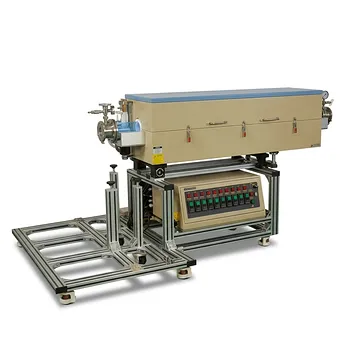
Ten Zone Multi Orientation Laboratory Tube Furnace for 1200C High Temperature Gradient Thermal Processing
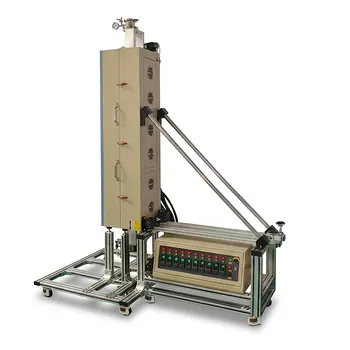
1200°C 10-Zone Split Tube Furnace with Horizontal and Vertical Mounting for Multi-Zone Thermal Gradients and Large Diameter Material Processing
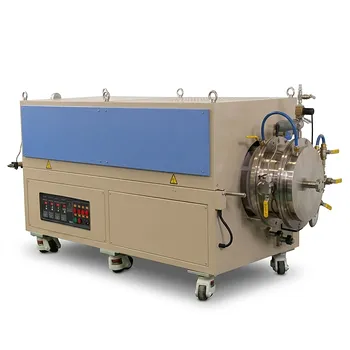
High Temperature Seven Zone Split Tube Furnace with 1200C Maximum Operation and Large Diameter Quartz Tube
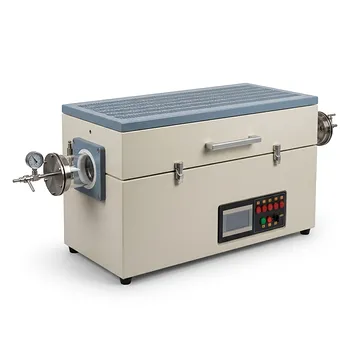
Five Zone 1200C High Temperature Split Tube Furnace with Touch Screen Controller and Multiple Quartz Tube Options
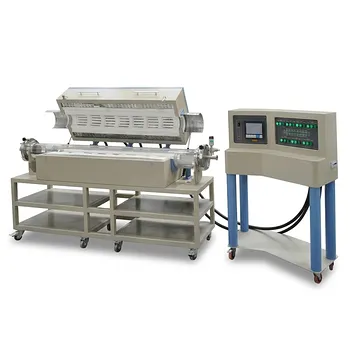
Seven Zone 1200C Split Tube Furnace with Precision Temperature Controller and Quick Flange Vacuum System
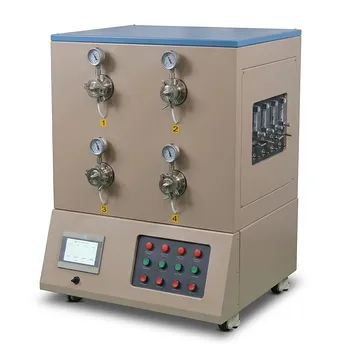
High Throughput 1200C Four Channel Tube Furnace with 3 Inch Quartz Tubes for Multi Zone Annealing and Material Research
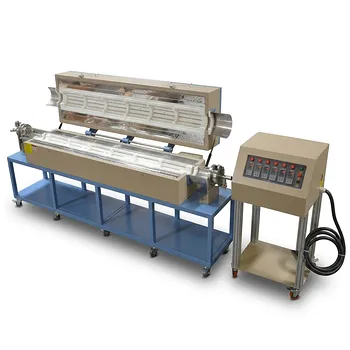
Six Zone Split Tube Furnace 1.8 Meter Quartz Tube 1200C High Temperature Heating System
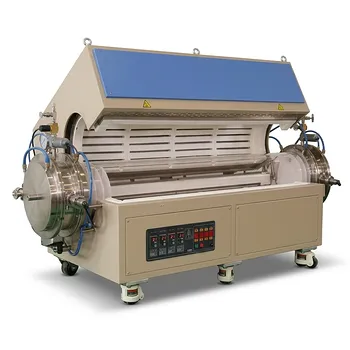
1200C Max Four Zone Split Tube Furnace with Optional Large Diameter Quartz Tubes
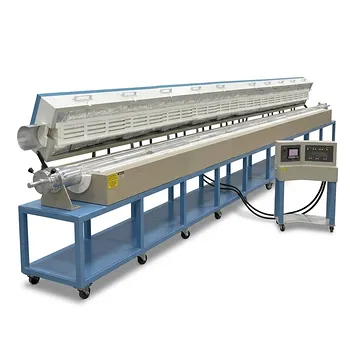
12 Zone Ultra Long Split Tube Furnace with 20 Foot Quartz Tube and 1100C Max Temperature
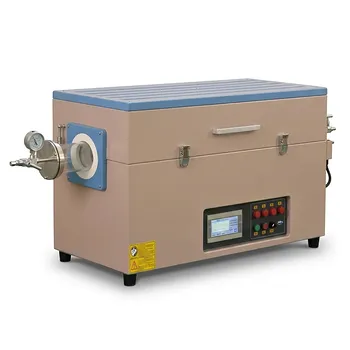
1200C Four Zone Split Tube Furnace with Touch Screen Control and High Purity Quartz Tube and Vacuum Sealing Flanges
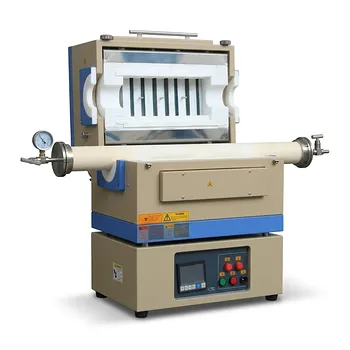
1500C Eight Zone Split Tube Furnace for Thermal Gradient Processing and Advanced Material Research
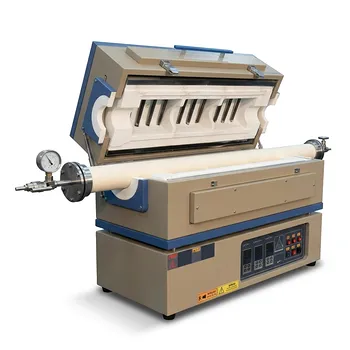
1600C Three Zone Split Tube Furnace with Alumina Tube and Vacuum Flange
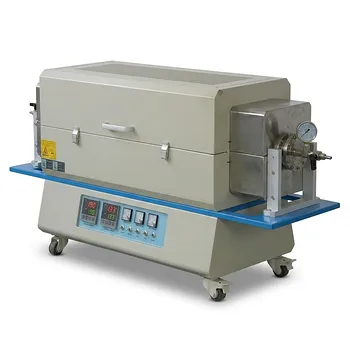
High Temperature Elongated Dual Zone Tube Furnace for Material Research and Industrial Heat Treatment

Three Zone Tube Furnace with 11 Inch or 15 Inch Quartz Tube and Hinged Flanges for Vacuum Atmosphere Heat Treatment
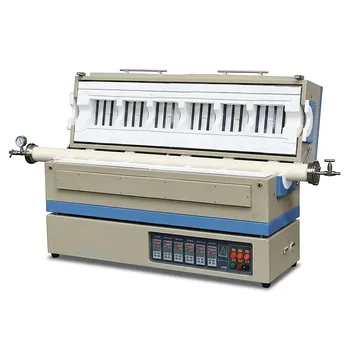
Six Zone Split Tube Furnace with Alumina Tube and Vacuum Flanges for 1500C High Temperature Thermal Processing and CVD
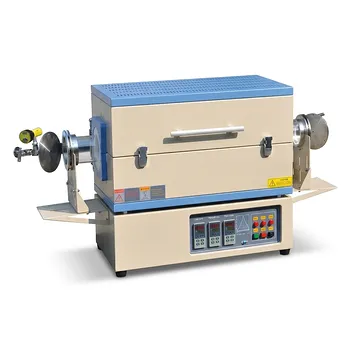
Three Zone Tube Furnace with 24 Inch Heating Length and Hinged Flange Quartz Tube System
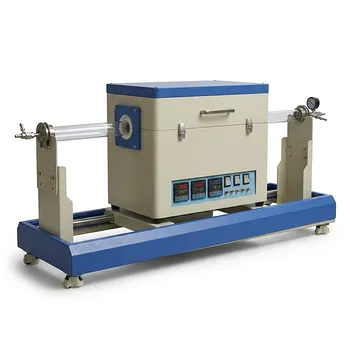
Double Temperature Zone Double Cover Tube Furnace for High Temperature CVD and Vacuum Annealing
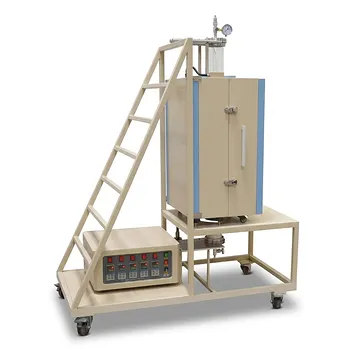
Five Zone Split Vertical Tube Furnace 1200C Max with 4 Inch Quartz Tube and Stainless Steel Vacuum Flanges
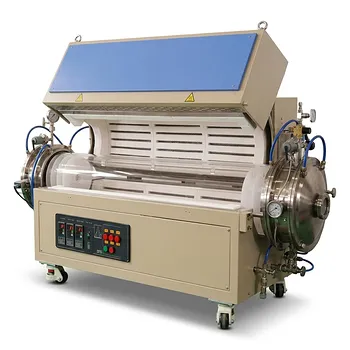
High Temperature Three Zone Split Tube Furnace 1200C Max 35.4 Inch Heating Length 8 Inch ID Tube