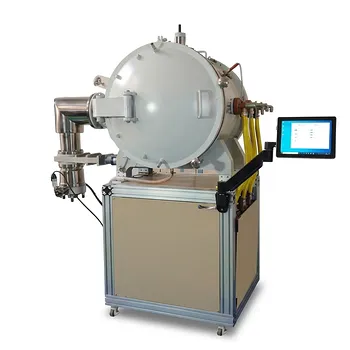
Which materials are typically used for the heating elements and insulation in a vacuum furnace hot zone? Expert Guide
Updated 5 months ago
Heating elements and insulation in vacuum furnace hot zones are primarily constructed from graphite or refractory metals like molybdenum and tungsten. These materials are selected for their ability to maintain structural integrity and low vapor pressure at temperatures that frequently exceed 2,000°C. While graphite is favored for its cost-effectiveness and durability, refractory metals are essential for high-purity applications where carbon contamination must be avoided.
Core Takeaway: Choosing hot zone materials requires balancing thermal requirements against purity needs; graphite offers the best value for general high-temperature use, while molybdenum and tungsten are the standard for clean-room or "all-metal" vacuum environments.
Common Materials for Heating Elements
The Dominance of Graphite
Graphite is the most common material for vacuum heating elements because it is electrically conductive, thermally stable, and actually becomes stronger as it gets hotter. It can operate effectively at temperatures up to 2,400°C in a vacuum or inert atmosphere. Graphite elements are typically manufactured as rods or tubes and are highly resistant to thermal shock.
Refractory Metals: Molybdenum and Tungsten
Molybdenum is a staple for heating elements in "all-metal" hot zones, suitable for temperatures up to approximately 1,800°C. For ultra-high temperature requirements reaching 2,200°C or higher, tungsten is used due to its incredibly high melting point. These metals are preferred when the process cannot tolerate the potential carbon outgassing associated with graphite.
Ceramic-Based Elements
For specific industrial atmospheres or lower-range vacuum applications, Silicon Carbide (SiC) or Molybdenum Disilicide (MoSi2) may be utilized. These materials are often chosen for their long-term stability and resistance to oxidation. However, they are more brittle than metallic or graphite options and require careful handling.
Essential Insulation and Radiation Shielding
Graphite Felt and Carbon Composites
In most industrial vacuum furnaces, the insulation consists of graphite felt or rigid carbon fiber composites. These materials provide exceptional thermal resistance and are significantly more cost-effective than metal shielding. To prevent materials from sticking to these surfaces, technical coatings like boron nitride are often applied as release agents.
Metallic Radiation Shields
High-purity vacuum furnaces utilize multiple layers of molybdenum or stainless steel sheets known as radiation shields. These shields work by reflecting radiant heat back into the work zone rather than absorbing it. This "all-metal" construction is vital for medical, aerospace, or semiconductor applications where carbon-free environments are mandatory.
Ceramic Fiber and Refractories
In specialized furnaces, such as muffle furnaces or those operating in the lower-to-mid temperature range, alumina-silica composites or ceramic fibers are used. These materials maximize energy efficiency by minimizing heat loss to the water-cooled furnace walls. They are excellent insulators but are less common in high-vacuum, high-temperature sintering than graphite or metal shields.
Understanding the Trade-offs
Cost vs. Longevity
Graphite is significantly cheaper than molybdenum and easier to repair or replace if damaged. However, in the presence of even small amounts of oxygen at high temperatures, graphite will oxidize and degrade rapidly.
Purity vs. Performance
Metallic hot zones (molybdenum/tungsten) offer the highest level of cleanliness, making them ideal for brazing or processing reactive metals. The trade-off is that these metals can become brittle after a few heating cycles (recrystallization), making them prone to cracking if the furnace is subjected to mechanical vibration or improper handling.
Vapor Pressure Concerns
At extreme temperatures, every material has a vapor pressure that determines how fast it will evaporate into the vacuum. Choosing the wrong material can lead to the heating element "plating" itself onto your workpiece. This is why tungsten is used for the highest temperatures, as it has the lowest vapor pressure of all refractory metals.
How to Select the Right Hot Zone Material
Recommendations Based on Your Project Goals
- If your primary focus is cost-efficiency and durability: Choose graphite heating elements and graphite felt insulation, as they provide the best lifespan for general heat treatment.
- If your primary focus is high-purity or carbon-sensitive parts: Opt for an all-metal hot zone using molybdenum or tungsten elements and metallic radiation shields to prevent contamination.
- If your primary focus is ultra-high temperature (above 2,000°C): Utilize tungsten elements combined with specialized graphite or ceramic insulation capable of withstanding extreme thermal loads.
- If your primary focus is mechanical pressing at heat: Select graphite dies and elements for their superior mechanical strength and stability under uniaxial pressure.
The right material choice ensures not only the success of your thermal process but also the long-term reliability of your vacuum system.
Summary Table:
| Material | Component Type | Max Temp | Key Advantage |
|---|---|---|---|
| Graphite | Elements & Felt | 2400°C | Cost-effective; gets stronger with heat |
| Molybdenum | Elements & Shields | 1800°C | High purity; carbon-free environments |
| Tungsten | Elements & Shields | 2200°C+ | Lowest vapor pressure; ultra-high temp |
| Ceramics | Fiber/Insulation | Varies | Exceptional energy efficiency; lightweight |
Optimize Your Thermal Processing with THERMUNITS
THERMUNITS is a leading manufacturer of high-temperature laboratory equipment for material science and industrial R&D. Whether you are conducting sensitive aerospace research or general heat treatment, we offer a comprehensive range of thermal processing solutions including Vacuum, Muffle, Atmosphere, Tube, and Hot Press furnaces.
Why partner with THERMUNITS?
- Tailored Hot Zones: Expert selection of Graphite, Molybdenum, or Tungsten elements to match your purity and temperature requirements.
- Precision Engineering: Advanced solutions for CVD/PECVD, Dental, and Vacuum Induction Melting (VIM) applications.
- Global Reliability: Proven performance in leading material science labs and industrial facilities.
Ready to enhance your laboratory's efficiency and achieve superior material results? Contact our technical experts today to discuss your custom furnace configuration!
Mentioned Products
- Three Temperature Zone High Temperature Vacuum Tube Furnace for CVD and Material Sintering
- High Temperature Dual Zone Vacuum Tube Furnace for Material Research and CVD Processing
- Double Zone Fast Heating Tube Furnace High Temperature Vacuum Atmosphere System
- Single Zone Tube Furnace 5 Inch Quartz Tube 36 Inch Heating Zone Vacuum Flanges
- High Vacuum Compact Tube Furnace 1200C with Integrated Turbo Pump System and 8 Inch Heating Zone
People Also Ask
- What is the primary function of a three-zone tube furnace in the synthesis process of corn-derived carbon nanotubes?
- Why Use a Three-Zone vs. Single-Zone Furnace for Fe-Ni-Cu Diffusion? Key Benefits for Lab Accuracy
- What advantages does a three-zone tube furnace offer for nanoparticle synthesis? Unlock Superior Thermal Precision.
- What role does an industrial-grade three-zone tube furnace play in VOx@VACNT synthesis? Precision Phase-State Control
- What functions does a 3-zone tube furnace provide for graphene-coated alumina fibers? Expert CVD Heat Treatment Guide

Tech Team · ThermUnits
Last updated on Apr 14, 2026
Related Products
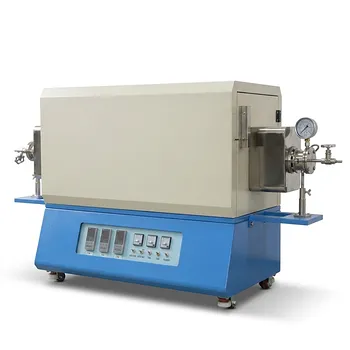
Three Temperature Zone High Temperature Vacuum Tube Furnace for CVD and Material Sintering
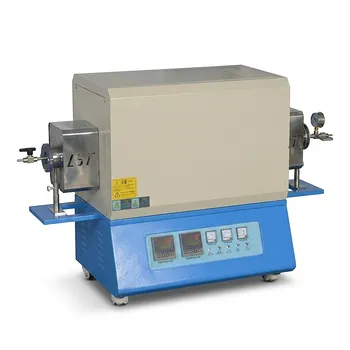
High Temperature Dual Zone Vacuum Tube Furnace for Material Research and CVD Processing
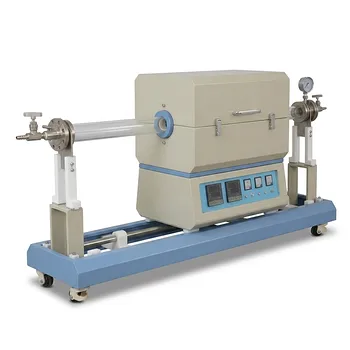
Double Zone Fast Heating Tube Furnace High Temperature Vacuum Atmosphere System
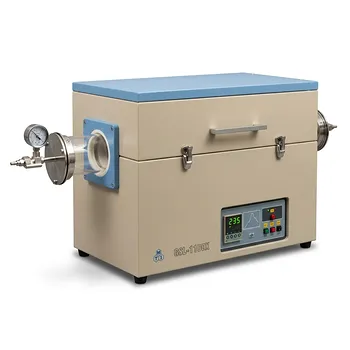
Single Zone Tube Furnace 5 Inch Quartz Tube 36 Inch Heating Zone Vacuum Flanges
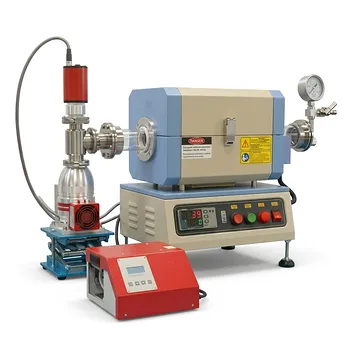
High Vacuum Compact Tube Furnace 1200C with Integrated Turbo Pump System and 8 Inch Heating Zone
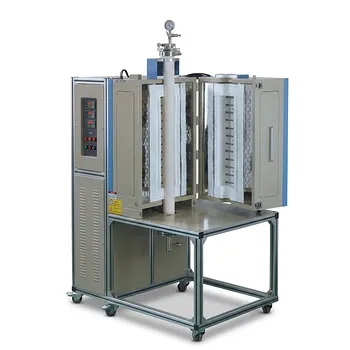
Three Zone Heating Split Vertical Tube Furnace 1700 High Temperature Vacuum Atmosphere Thermal Process System
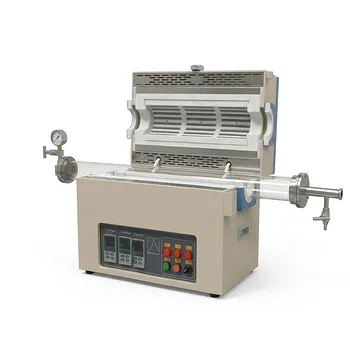
1200°C Three Zone Split Tube Furnace with 18 Inch Heating Length and Vacuum Flanges
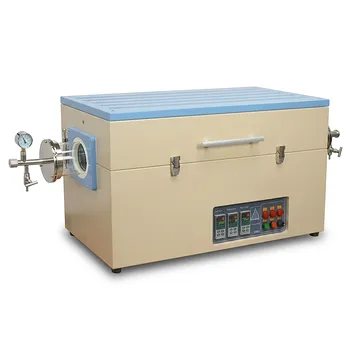
Three Zone Split Tube Furnace 36 Inch Heating Length High Temperature 1200C Material Research Furnace with Vacuum Flanges
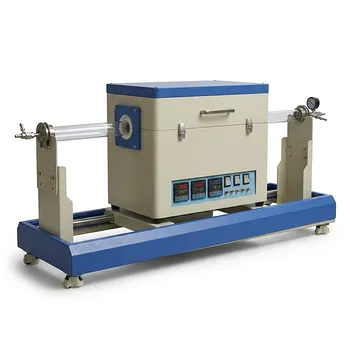
Double Temperature Zone Double Cover Tube Furnace for High Temperature CVD and Vacuum Annealing
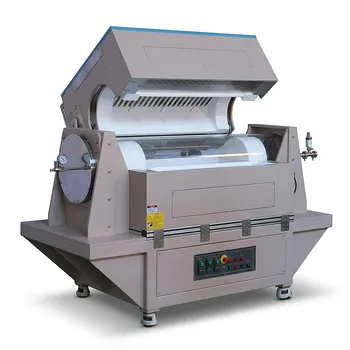
Three Zone Tube Furnace with 11 Inch or 15 Inch Quartz Tube and Hinged Flanges for Vacuum Atmosphere Heat Treatment
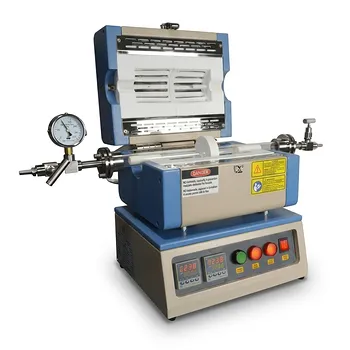
Dual Heating Zone 1200C Compact Split Tube Furnace with Optional 1" - 2" Tube and Vacuum Flanges

High Temperature 1700C Six Zone Split Tube Furnace with Alumina Tube and Water Cooled Flanges
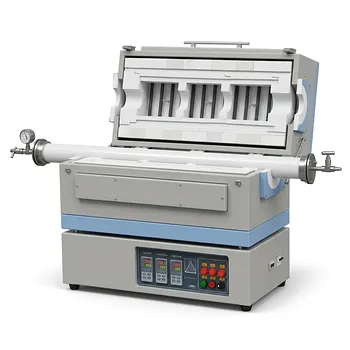
High Temperature 1500C Three Zone Split Tube Furnace with 80mm Alumina Tube and Vacuum Flange
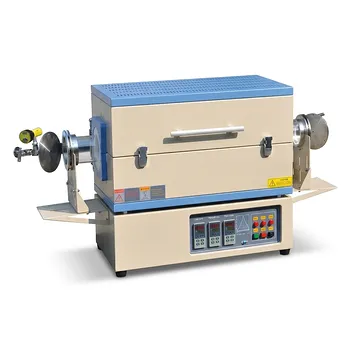
Three Zone Tube Furnace with 24 Inch Heating Length and Hinged Flange Quartz Tube System
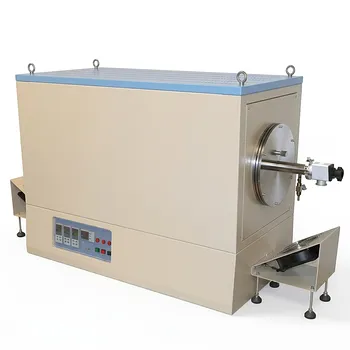
1100°C Three Zone Tube Furnace with 8.5 to 11 Inch OD Quartz Tube and Vacuum Flanges for Large Wafer Processing
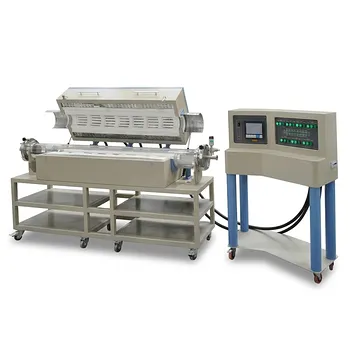
Seven Zone 1200C Split Tube Furnace with Precision Temperature Controller and Quick Flange Vacuum System
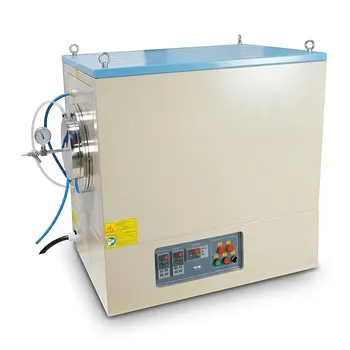
Dual Zone Tube Furnace 1100C with 11 Inch Quartz Tube and Vacuum Flanges for 8 Inch Wafer Processing
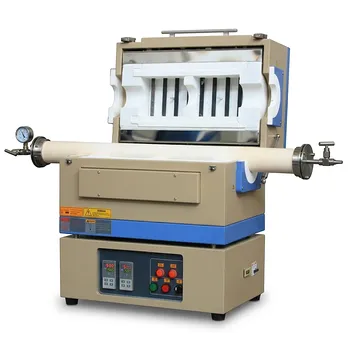
1500C Two Zone Split Tube Furnace with Vacuum Flange and 80mm Alumina Tube
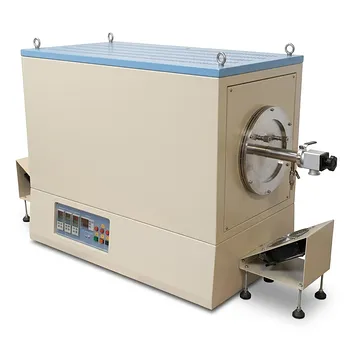
Four Zone Tube Furnace 1100C with 600mm Large Diameter Quartz Tube and Vacuum Flanges