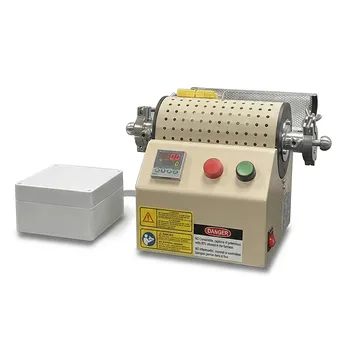
How does a tube furnace facilitate the APCVD of monolayer WS2? Optimize Precision in 2D Material Synthesis
Updated 3 months ago
The tube furnace facilitates the APCVD of monolayer WS2 by acting as a high-precision reactor that simultaneously manages the thermal sublimation of precursors and the transport of gaseous reactants. Specifically, it provides a stable, high-temperature isothermal zone (up to 1000°C) and a controlled atmosphere that allows tungsten trioxide (WO3) and sulfur to react uniformly on a substrate surface. This environment is essential for ensuring the growth of high-quality, large-area single crystals with consistent monolayer thickness.
The tube furnace serves as the foundational "engine" of the APCVD process, where its ability to maintain a stable temperature field and independent heating zones directly determines the thickness, crystallinity, and scalability of the resulting monolayer WS2.
Precision Thermal Management
Multi-Zone Temperature Regulation
Advanced tube furnaces utilize programmable temperature control across multiple independent heating zones to manage different precursors simultaneously. In a typical setup, a low-temperature zone precisely controls the sublimation rate of sulfur powder, while a high-temperature zone (often 800°C to 1000°C) provides the energy required for the tungsten precursor to volatilize and react.
The Role of the Isothermal Zone
The "isothermal zone" is the area within the furnace where the temperature remains constant and uniform. A stable thermal field within this zone ensures that the sulfurization process occurs evenly across the entire substrate. This uniformity is the physical prerequisite for obtaining large-area, high-quality monolayer crystals rather than fragmented or multi-layered flakes.
Vapor Phase Transport and Reaction Control
Sublimation of Solid Precursors
The furnace provides the strictly controlled thermal environment necessary to drive the phase change of solid precursors like WO3 and sulfur. By reaching specific volatilization temperatures, the furnace transforms these solids into gas-phase reactants. This transition must be carefully timed and maintained to ensure a steady supply of material to the substrate.
Carrier Gas and Atmospheric Control
Beyond heat, the tube furnace facilitates the flow of a stable argon (Ar) carrier gas within the quartz tube. This gas directs the reaction products to the downstream substrate at a constant rate. This controlled atmosphere prevents unwanted oxidation and ensures that the epitaxial growth of WS2 triangular crystals occurs under optimal, oxygen-free conditions.
Scalability and Structural Requirements
Impact of Tube Diameter
Utilizing quartz tubes with diameters of 2 inches or larger increases the effective isothermal area. This allows for the simultaneous placement of multiple or large-scale substrates, such as ST-X quartz or SiO2/Si. Such infrastructure is critical for transitioning from small laboratory samples to wafer-level fabrication.
Influence on Crystal Orientation
The precision of the temperature gradient and gas flow within the furnace allows researchers to regulate the growth orientation of the crystals. Depending on the thermal settings, the furnace can influence whether the WS2 grows horizontally along the substrate or vertically. This level of control is vital for tailoring the material for specific electronic or optical applications.
Understanding the Trade-offs
Single-Zone vs. Multi-Zone Limitations
While a single-zone furnace is simpler and more cost-effective, it forces a dependency between the evaporation of the sulfur and the reaction at the substrate. This often results in a less stable sulfur vapor concentration, which can lead to poor crystalline quality or inconsistent layer counts.
Thermal Gradient Challenges
Managing the temperature gradient is a delicate balance; if the gradient is too steep, precursors may deposit prematurely on the tube walls before reaching the substrate. Conversely, insufficient cooling downstream can prevent the necessary deposition and nucleation required for high-quality monolayer growth.
Applying This to Your Synthesis Goals
How to Select Your Equipment Strategy
Choosing the right furnace configuration depends entirely on your specific research or production objectives regarding crystal size and quality.
- If your primary focus is high crystal quality and precise thickness control: Invest in a multi-zone tube furnace to independently regulate the sublimation rates of sulfur and tungsten sources.
- If your primary focus is large-scale production or wafer-level growth: Prioritize a furnace with a large-diameter quartz tube (2+ inches) and an extended isothermal zone to ensure uniformity across a larger surface area.
- If your primary focus is rapid prototyping or preliminary material testing: A single-zone furnace may suffice, provided you can manually calibrate the placement of precursors to utilize natural thermal gradients.
The mastery of the tube furnace's thermal and atmospheric variables is the single most important factor in successfully synthesizing high-performance monolayer WS2.
Summary Table:
| Key Feature | Function in APCVD Process | Benefit for WS2 Growth |
|---|---|---|
| Multi-Zone Control | Independent heating of precursors (S & WO3) | Precise control over sublimation rates & layer thickness |
| Isothermal Zone | Maintains a stable, uniform thermal field | Ensures high-quality, large-area single crystal growth |
| Carrier Gas (Ar) | Transports gas-phase reactants to substrate | Prevents oxidation and ensures clean epitaxial growth |
| Tube Diameter | Expands the effective reaction area | Facilitates scalable, wafer-level fabrication |
Elevate Your 2D Material Research with THERMUNITS
Precision is the difference between fragmented flakes and high-performance monolayer crystals. THERMUNITS is a leading manufacturer of high-temperature laboratory equipment, providing the advanced thermal stability required for cutting-edge material science and industrial R&D.
Our comprehensive range of solutions—including Tube Furnaces, CVD/PECVD systems, Vacuum, Atmosphere, and Multi-Zone furnaces—is engineered to give you absolute control over your synthesis environment. Whether you are working on WS2 growth, VIM, or dental applications, our equipment ensures uniform heat treatment and reliable results.
Ready to scale your production or refine your research? Contact THERMUNITS today for a tailored thermal solution!
References
- Jun Zhou, Junpeng Lü. Phase-engineered synthesis of atomically thin te single crystals with high on-state currents. DOI: 10.1038/s41467-024-45940-6
Mentioned Products
- Chemical Vapor Deposition CVD System Slide PECVD Tube Furnace with Liquid Gasifier PECVD Machine
- 1200C Sliding Internal Crucible Tube Furnace for Controlled Atmosphere Thin Film Deposition and Material Sublimation Research
- 5 Inch Two Zone Rotary Tube Furnace 1100C for Powder CVD and Material Synthesis
- High Temperature Dual Zone Vacuum Tube Furnace for Material Research and CVD Processing
- Double Temperature Zone Double Cover Tube Furnace for High Temperature CVD and Vacuum Annealing
People Also Ask
- What are the advantages of PECVD systems for nano flame retardant films? Protect Heat-Sensitive Polymers with Precision
- How does a sliding rail design benefit the CVD process within a furnace ventilation hood? Enhance Control & Quenching
- What is the role of CVD/PECVD systems in the research of optoelectronic materials and functional coatings? Expert Guide
- How does PECVD differ from conventional thermal CVD? Key Advantages of Low-Temperature Deposition for R&D
- What role do by-product desorption and evacuation play in CVD film quality? Key Factors for High-Purity Films

Tech Team · ThermUnits
Last updated on Jun 02, 2026
Related Products
Chemical Vapor Deposition CVD System Slide PECVD Tube Furnace with Liquid Gasifier PECVD Machine
1200C Sliding Internal Crucible Tube Furnace for Controlled Atmosphere Thin Film Deposition and Material Sublimation Research
5 Inch Two Zone Rotary Tube Furnace 1100C for Powder CVD and Material Synthesis
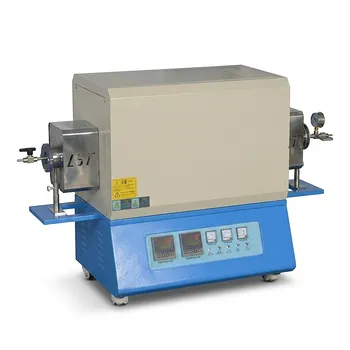
High Temperature Dual Zone Vacuum Tube Furnace for Material Research and CVD Processing
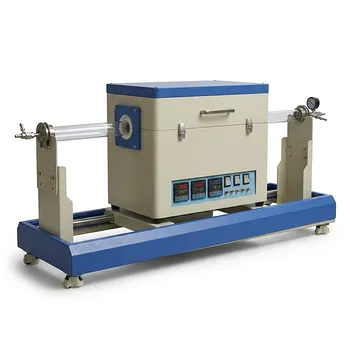
Double Temperature Zone Double Cover Tube Furnace for High Temperature CVD and Vacuum Annealing
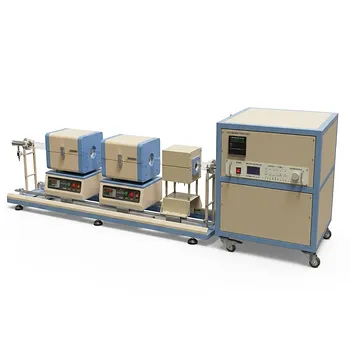
1200C Dual Sliding Tube Furnace with Dual Tubes and Flanges for PECVD Processes
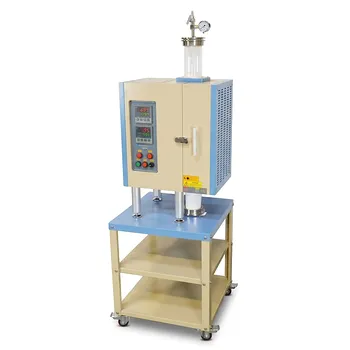
1100°C Dual Zone Split Vertical Tube Furnace with 4 Inch Quartz Tube and Vacuum Sealing Flanges
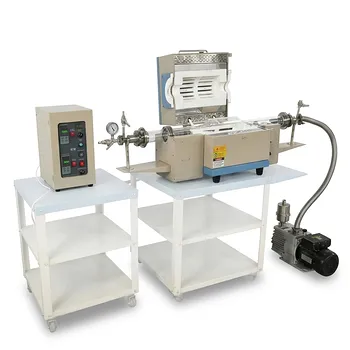
Two Zone Rotary Tube Furnace for Powder CVD Coating and Core Shell Material Synthesis 1100C
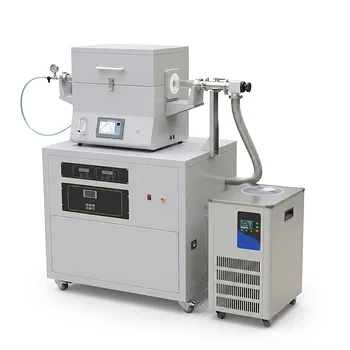
Split Chamber CVD Tube Furnace with Vacuum Station Chemical Vapor Deposition System Machine
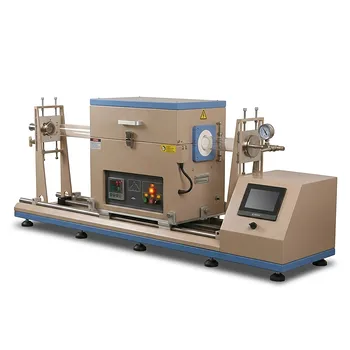
1200C Sliding Tube Furnace for Rapid Thermal Processing and CVD Graphene Growth with 100mm OD Capacity
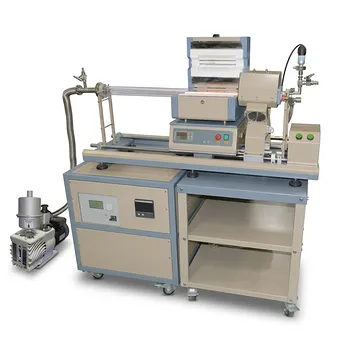
1200C Max Compact Auto-Sliding PECVD Furnace with 2 Inch Tube and Vacuum Pump
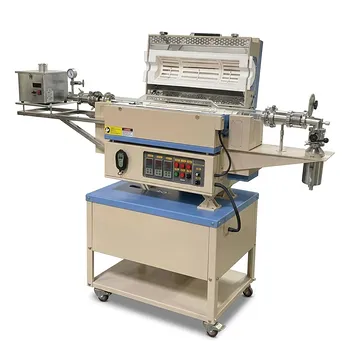
5 Inch Rotary Tube Furnace with Automatic Feeding and Receiving System 1200C Three Zone CVD Powder Processing
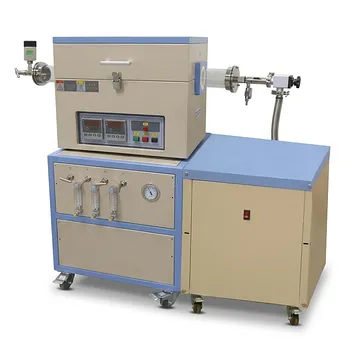
Dual Zone Quartz Tube Furnace with 80mm Diameter 1200C Max Temperature 3 Channel Gas Mixer and Vacuum Pump System
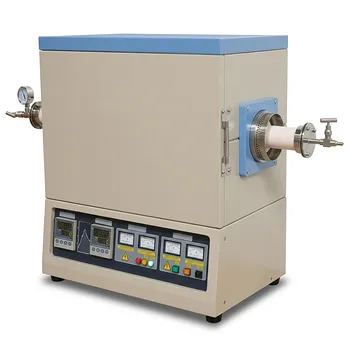
High Temperature 1700C Dual Zone Tube Furnace for Material Science and Industrial Chemical Vapor Deposition Research
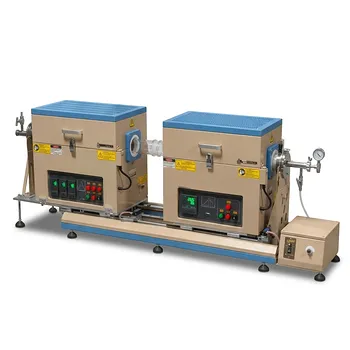
1200C Dual Temperature Zone Slidable Tube Furnace for 2D Material Growth and TCVD Synthesis
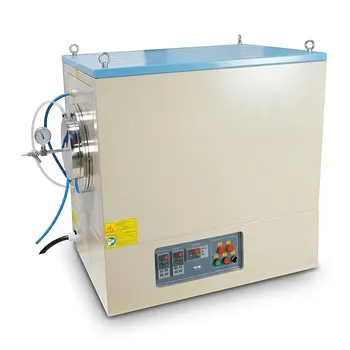
Dual Zone Tube Furnace 1100C with 11 Inch Quartz Tube and Vacuum Flanges for 8 Inch Wafer Processing
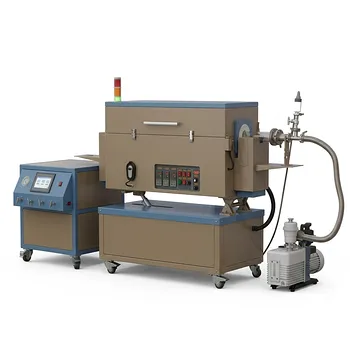
5 Inch Three Zone Rotary Tube Furnace with Integrated Gas Delivery System and 1200C Capability for Advanced Material CVD Processing
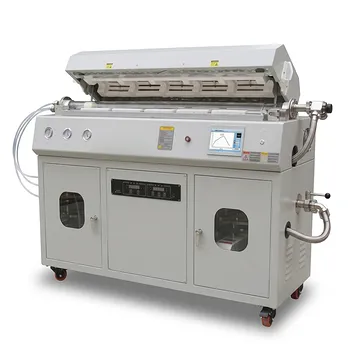
Multi Heating Zones CVD Tube Furnace System for Precision Chemical Vapor Deposition and Advanced Material Synthesis
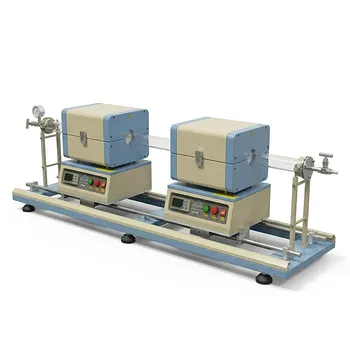
1200C Max Dual Sliding Tube Furnace with 50 mm Tube Flanges for CVD